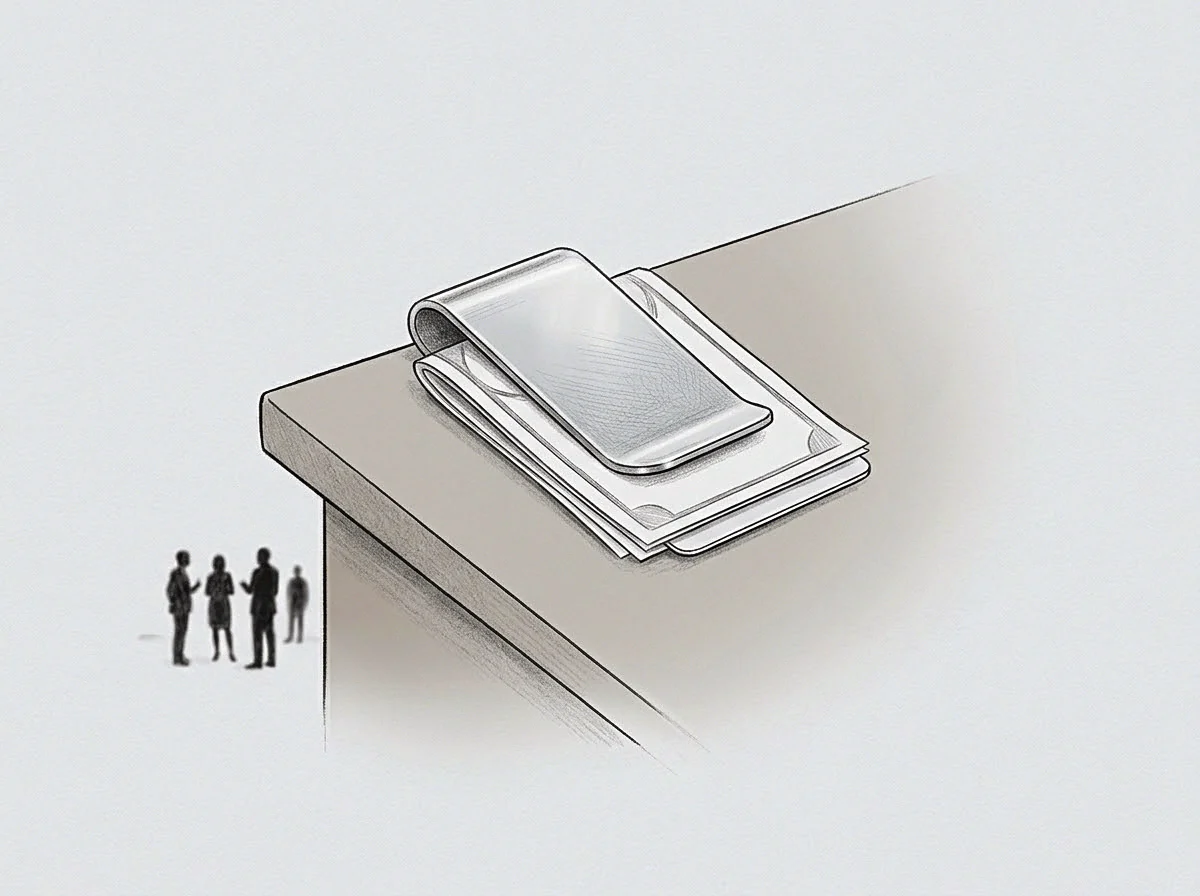
Meaning
Institutional friction and administrative overhead slow down the implementation of strategic decisions. An execution drag occurs when internal processes, excessive approvals, or resource constraints delay the roll-out of new initiatives. It governs the speed at which a company can respond to market opportunities or internal adjustments.
This operational tax continues to accumulate until the underlying communication and approval loops are optimized or simplified.
Frictional Cost
Operational delays consume valuable hours and dilute the momentum of newly launched projects. When a company suffers from execution drag, it spends more time on internal alignment than on customer-facing delivery. This dynamic increases the burn rate without generating matching value, draining the organization’s reserve.
Systemic Delay
Multilayered sign-off structures and conflicting team priorities create bottlenecks that stall progress. A clear sign of execution drag is the extension of development cycles beyond their estimated completion dates. These delays compound over time, making it difficult for the business to hit its quarterly milestones or release products before competitors.
When teams must navigate five layers of management to change a single line of code, the overall rate of innovation falls.
Mitigation Strategy
Reducing friction requires the delegation of authority and the simplification of reporting lines. Leaders can compress approval cycles by empowering smaller teams to make autonomous decisions within established budget bounds. This structural shift recovers lost time and allows the business to execute at its full potential.