Meaning
Forensic reconstruction is the methodical assembly of surviving operational artifacts to recreate a past state of an enterprise. This post-hoc technical investigation relies on logs, commit histories, configuration backups, and residual communication fragments to establish the exact sequence of events leading to a specific technical or financial failure. Investigators working within this domain operate entirely outside the original production environment, building isolated sandboxes where discarded software builds and database snapshots run in parallel.
Boundary conditions appear when critical artifacts are permanently overwritten or stripped of metadata, leaving gaps that empirical interpolation cannot bridge.
Evidence Verification
Physical and digital remnants form the raw substrate for any retrospective analysis of structural collapse. Investigators establish authenticity by verifying cryptographic hashes against known secure repositories, ensuring that log files have not suffered tampering after the shutdown event. Memory dumps provide the precise register states and active thread allocations present at the moment of failure, bypassing the fallible recollections of former employees.
Discrepancies between human testimony and recorded system events require immediate technical reconciliation, giving precedence to immutable machine timestamps over subjective accounts.
Causal Chain
Sequence mapping transforms scattered historical traces into a continuous timeline of failure modes. Analysts trace the propagation of anomalous data inputs through dependent software modules, measuring the latency introduced at each processing boundary until total system lockup occurs. Every transition point in the operational chain requires an independent verification of state variables, separating the primary trigger condition from subsequent cascading symptoms.
Systemic Cost
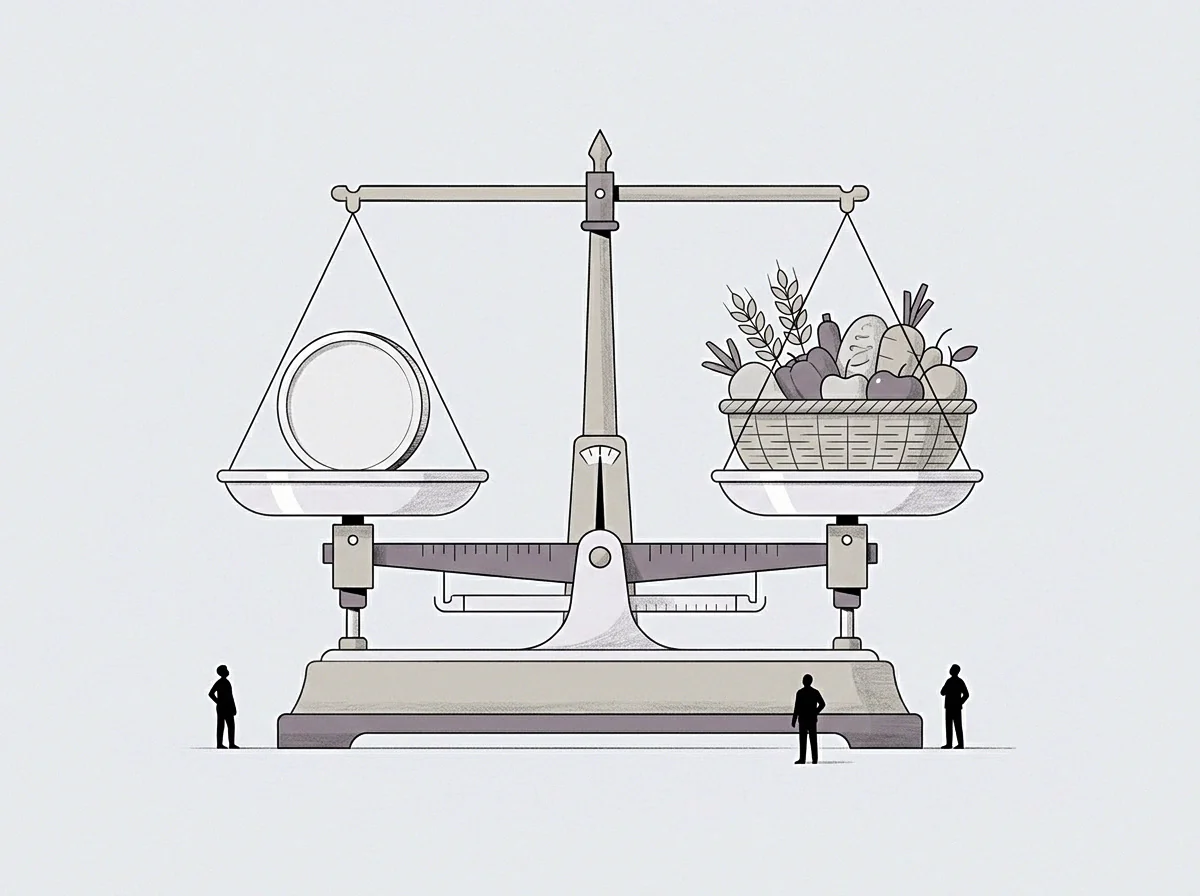
Resource allocation for deep technical retrospection demands significant engineering hours and specialized diagnostic infrastructure. Teams dedicated to this retrospective labor must pause ongoing product development to dedicate hundreds of focused attention hours toward parsing corrupt file systems and fragmented transaction logs. Opportunity expenses mount as senior architects spend valuable capacity untangling legacy failures rather than building future capabilities, altering the overall technical trajectory of the successor organization.