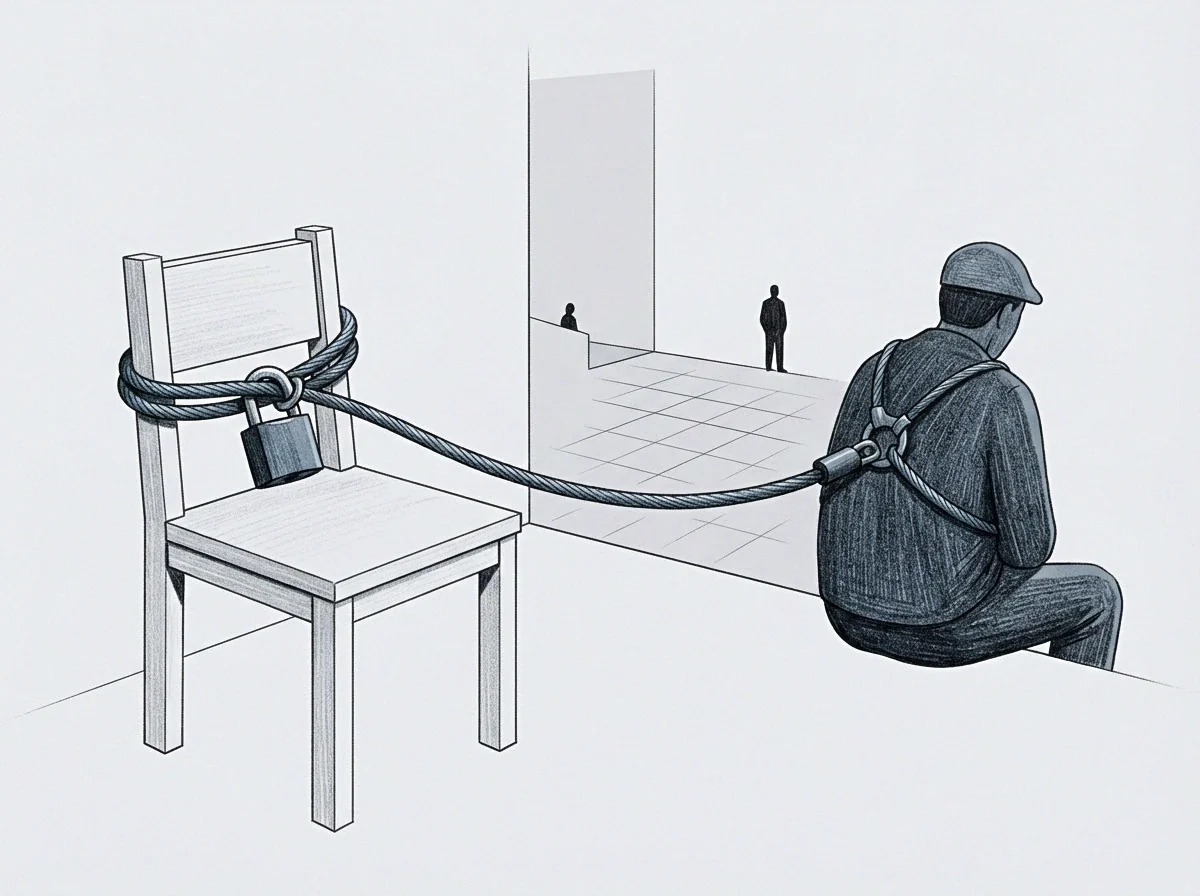
Meaning
Intellectual property defense where a creator demonstrates that their work was produced without copying, referencing or accessing a plaintiff’s copyrighted material. Establishing independent creation relies on showing that any similarities between two works are coincidental rather than derivative. This concept means that even identical works do not infringe each other if they were written in isolation.
Proof Requirement
Defence of this position depends on showing that the developer had no reasonable access to the original work. This requires proving that the source material was not publicly available or that the development team was physically insulated from it. If the plaintiff can prove access, the burden shifts to the creator to show their development process was untainted.
Process Documentation
Detailed, contemporaneous records such as design briefs, version control history and communication logs are used to show the step-by-step evolution of the product. This documentation demonstrates a logical, organic progression from an abstract concept to the final work. By showing this slow development, the organization can prove that the output was not copied in a single instance from an outside source.
These system logs are much more reliable than human memory, which can fade or be influenced by the pressure of litigation.
Legal Defence
Successful presentation of this evidence defeats claims of copyright infringement even when the works are highly similar. This protection is highly valuable for software startups that operate in crowded markets where similar features are developed simultaneously. Having a robust, verifiable development history prevents devastating injunctions or costly settlements during the early stages of a product’s life.