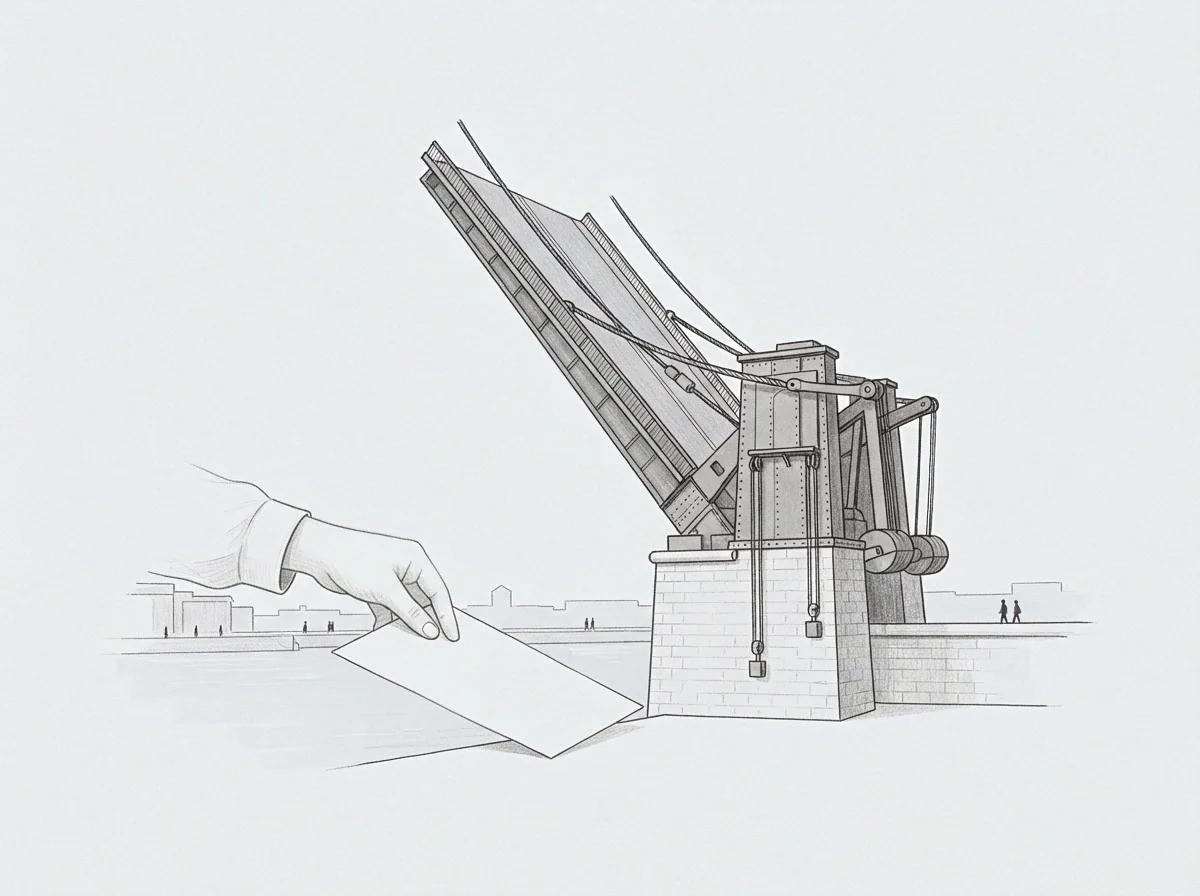
Meaning
Initiated through explicit legal notice or contractual termination provisions, formal withdrawal procedures terminate a licensee’s authority to use protected assets. A license revocation extinguishes the legal authorization previously granted to a third party to utilize software or proprietary technology. The action returns exclusive usage rights to the licensor upon contractual breach or expiration.
The boundary of the revocation ends where irrevocable grants or court-ordered stays prevent immediate enforcement.
Breach Remedy
Material defaults in software distribution agreements often trigger formal termination proceedings. Executing a license revocation requires strict adherence to notice periods defined within the original contract. When a licensee fails to pay royalties or misuses intellectual property, the licensor issues a notice of default followed by revocation.
Continued operation by the licensee after the effective revocation date constitutes willful infringement under copyright law.
Notice Verification
Timestamped termination notices serve as proof of revoked authority.
Operational Impact
Ceasing operations following license termination presents severe logistical challenges for impacted businesses. A license revocation forces the former licensee to remove software from deployment environments and destroy duplicate files. Failure to comply leads to emergency injunctions and statutory financial damages.
Documenting the formal revocation sequence protects licensors when seeking judicial enforcement.