Meaning
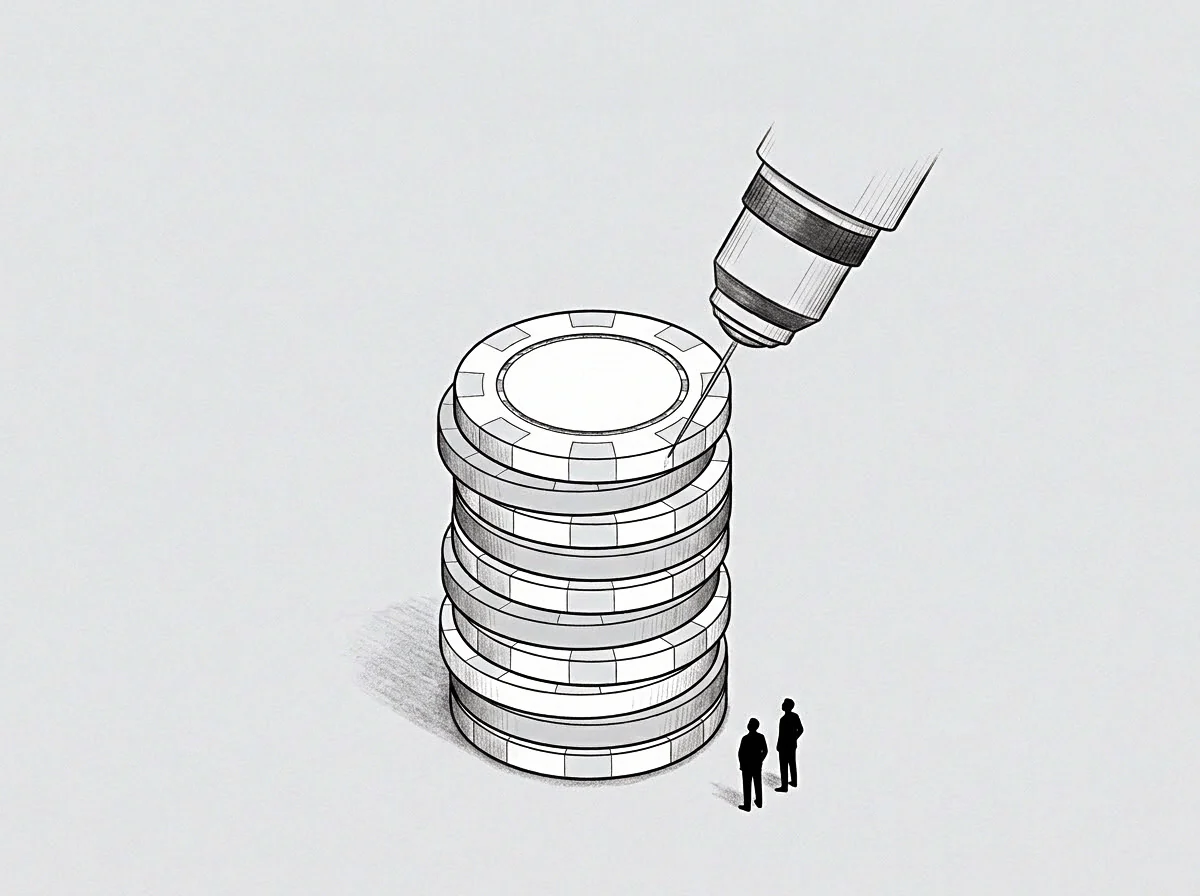
A numeric register increments strictly forward and never repeats or decrements a value during operation. Distributed systems employ monotonic counters to generate unique, strictly increasing sequence numbers for concurrent transactions. The counter guarantees that subsequent events always receive higher numeric values than preceding operations.
Functionality ceases if a physical reset or hardware memory failure zeroes the register.
Sequence Guarantee
Ordering mechanisms assign integer values to incoming transactions to maintain logical progression without physical wall clocks. Implementing monotonic counters prevents race conditions by forcing competing operations to claim distinct, strictly sequential identifiers. When multiple threads request numbers simultaneously, the underlying hardware serializes access using atomic increment instructions.
Retaining order integrity ensures that state machine updates process in the exact sequence generated. The resource cost remains minimal compared to full distributed time synchronization mechanisms.
Hardware Enforcement
Non-volatile memory stores register states to ensure values persist across system reboots and power outages. Relying on monotonic counters protects ledger integrity by preventing duplicate sequence numbers after unplanned hardware restarts.
Concurrency Limit
High-throughput distributed nodes can bottleneck when waiting for a single atomic counter register to increment. Utilizing monotonic counters across isolated system partitions requires partitioning integer ranges to prevent allocation conflicts. Overlapping integer ranges destroy the logical sequence, invalidating downstream transactional records.
The highest assigned number represents the immutable logical state of the recording system.