
Managing Director Personal Notes Risks During Internal Corporate Investigations
Contemporaneous personal notes kept by managing directors become discoverable company records during internal investigations and expose executives to waiver.

Pad
The managing director takes notes during executive sessions in a cloth-bound notebook brought from home. Phone numbers and personal thoughts about colleagues sit on the same pages as fragments from quarterly board meetings. When internal counsel begins looking into accounting entries or regulatory compliance, the author treats the volume as private property, while company investigators treat it as a corporate record generated in the course of executive work.

Physical Inscriptions And Custodial Control
Once inquiries open, investigators collect every handwritten surface in an executive office. The physical medium offers no special protection; discoverability depends on what is written on it rather than where the binding was bought. Notes concerning strategy, vendor pricing, or staff evaluations become corporate records the moment they are written, and any private feeling attached to handwriting ends as soon as a preservation notice arrives.
Reviewers separate personal entries from business records by looking at the substance of each line. A single page that pairs salary figures with a grocery list brings the entire sheet into the scope of the inquiry. Independent review teams scan each leaf, redact purely private notes, and deliver the balance to company counsel.
Possession leaves the managing director the moment investigators issue a preservation demand.
A handwritten notation referencing corporate transactions transforms an unindexed personal journal into mandatory evidence subject to forensic acquisition.
Jotting down informal impressions creates distinct documentary risks. Directors often write down unvetted views of colleagues, preliminary risk numbers, or working calculations that never make it into final filings. In an inquiry, those raw notes undercut audited balance sheets and formal board minutes, giving opposing counsel contemporaneous evidence of internal doubt.
- Unfiltered margin annotations record immediate reactions during tense committee meetings, which later conflict with formal minutes.
- Premature liability calculations preserve rough estimates of financial losses before independent auditors confirm the actual figures.
- Fragmented personnel evaluations record assessments of staff in casual terms that workplace investigators read as evidence of bias.
- Draft transaction outlines conflict with negotiated warranties executed months later by corporate officers.
Treating a working notebook as private territory cedes control over corporate disclosures while producing discoverable evidence against the person keeping it.

Scope
Investigation teams draft preservation demands broadly enough to reach every record touching on an alleged infraction. Personal cloud drives, mobile hardware, and legal pads kept at home all fall within that perimeter. While executives often assume corporate reach stops at personal accounts or store-bought stationery, governance policies and statutory discovery rules give the company control over any surface carrying commercial discussions.
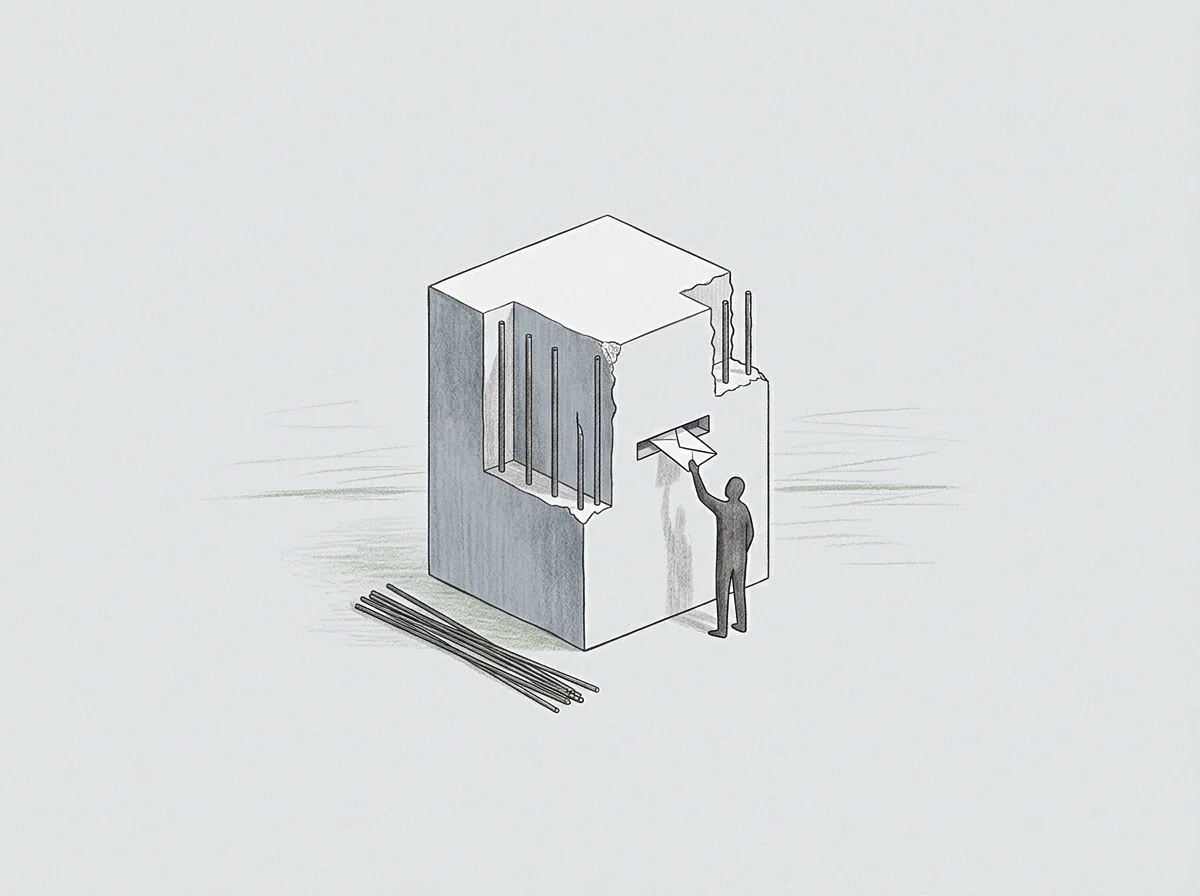
Whose Property Attaches To Margin Comments?
Corporate governance policies assign ownership of work product directly to the employer. When an executive types meeting notes on a home laptop or writes on personal stationery, the physical asset stays theirs, but the content belongs to the firm. Audit committees conducting inquiries routinely claim full control over any contemporaneous account of a disputed transaction.
Legal hold notices require executives to hand over personal storage and devices for forensic imaging. Outside technical vendors extract responsive text, leaving the author no discretion to withhold lines they consider private. Independent review counsel then sifts corporate material from personal entries under formal filtering protocols.
| Document Classification | Physical Ownership | Investigative Access | Discovery Exposure |
|---|---|---|---|
| Personal diary with isolated deal summaries | Individual director | Mandatory extraction following targeted redaction | Discoverable upon relevance showing |
| Company-issued tablet containing meeting scribbles | Corporate entity | Direct seizure and immediate imaging | Fully discoverable to investigators |
| Privately purchased notebook with strategy outlines | Individual director | Mandatory surrender under corporate hold notice | Subject to production requests |
| Mobile messaging logs on personal smartphones | Individual director | Forensic acquisition via mobile device extraction | High production probability in investigations |
Physical possession offers no protection against an investigative hold. Whenever corporate work crosses into personal spaces, preservation obligations follow it.

Investigative Holds And Device Preservation
Preservation notices require directors to turn off all auto-delete functions across their equipment. This reach covers personal phones, chat applications, draft emails, and stylus notes on private tablets. Failure to preserve personal hardware is treated by investigators as deliberate suppression of evidence.
A written preservation instruction places immediate corporate dominion over personal messaging applications and handwritten home journals.
Investigators collect device passcodes, review app histories, and restore deleted threads using forensic software. Executives who push back risk immediate suspension or firing for refusing to cooperate with internal oversight. Employment agreements routinely require staff to produce all business-related records upon request.

Waiver
Privilege disputes regularly arise when directors take notes during discussions with company counsel. Many assume that transcribing an attorney’s advice into a personal notebook shields the volume from internal investigators. Legally, that protection belongs to the corporation through its board, not to individual managers.

Legal Advice Mingled With Operational Recollection
Managers often record privileged legal advice alongside daily operational notes on the same sheet of paper. A director might summarize regulatory exposure identified by counsel and immediately follow it with notes blaming an operating team for a missed deadline. Mingling the two complicates privilege claims and can trigger an accidental waiver during an internal review.
If the board chooses to cooperate with regulators, it holds sole authority to waive attorney-client privilege over internal records. The individual director cannot block the decision. Notebook entries summarizing legal advice lose protection the moment corporate leadership decides disclosure helps secure a deferred prosecution agreement.
- Initial legal consultation occurs when outside counsel reviews regulatory risks with executive leadership.
- Informal handwritten transcription places legal risk assessments alongside operational targets and commercial notes.
- Internal inquiry launch prompts counsel to collect all contemporaneous notes kept by the participants.
- Corporate privilege waiver permits the company to hand those notebook entries to enforcement agencies without the author’s agreement.
Personal recollection tends to reshape past events favorably over time, but contemporaneous notes remain unyielding. In an investigative hearing, a single line written during a meeting carries far more weight than years of retrospective explanation.
A corporate privilege waiver strips legal protection from every executive note summarizing counsel advice without requiring the writer’s consent.
Detailed notes of legal briefings function as roadmaps for investigative teams. Recording specific legal exposures outside formal reporting channels leaves the writer unprotected once an inquiry starts.
Legal assessments written alongside commercial targets forfeit the protections of confidentiality.
Exposure
Disciplinary measures and legal liability often emerge in the space between an executive’s memory and what their notebooks show. In interviews, directors offer recollections softened by hindsight and self-justification. Investigators counter by placing dated entries on the table, dismantling retrospective accounts using the director’s own handwriting.

Spoliation Penalties And Erasure Traces
Torn notebook leaves and purged files draw immediate spoliation claims. If an executive tears three pages from a pad after receiving an inquiry notice, forensic technicians identify compression marks on the underlying paper. Electrostatic detection apparatuses reveal pen indentations on subsequent sheets, reconstructing the missing words.
Courts and regulatory bodies regularly draw adverse inferences against parties who destroy records during an inquiry. Modifying or destroying notes demonstrates awareness of wrongdoing more clearly than the underlying operational error. Investigators treat missing pages as an independent basis for dismissal.
Ink impressions pressed into adjacent paper sheets preserve deleted text long after leaves are discarded.
Digital changes are uncovered with the same precision. Metadata logs track timestamps for file revisions, cloud synchronizations, and manual deletions. When an executive clears chat logs from a personal handset, forensic analysts compare device storage against cloud backups to isolate every missing message.

Discrepancies Between Memory And Contemporaneous Entries
Memory tidies up past events into coherent explanations. Contemporaneous notes preserve the confusion, friction, and compromises of the moment they were written. During interviews, investigators confront executives directly with their own words from crisis meetings.
A revenue recognition meeting described in an interview as focusing entirely on compliance standards collides with a handwritten margin line stating that those rules should yield to quarterly sales targets. That single note undermines credibility and creates personal exposure for the executive.
The legal and professional cost of keeping ambiguous records falls entirely on the author when corporate interests diverge from personal defense. When the inquiry concludes with findings submitted in public enforcement actions, it remains clear that a truly private working notebook cannot survive in a regulated corporate seat.