Meaning
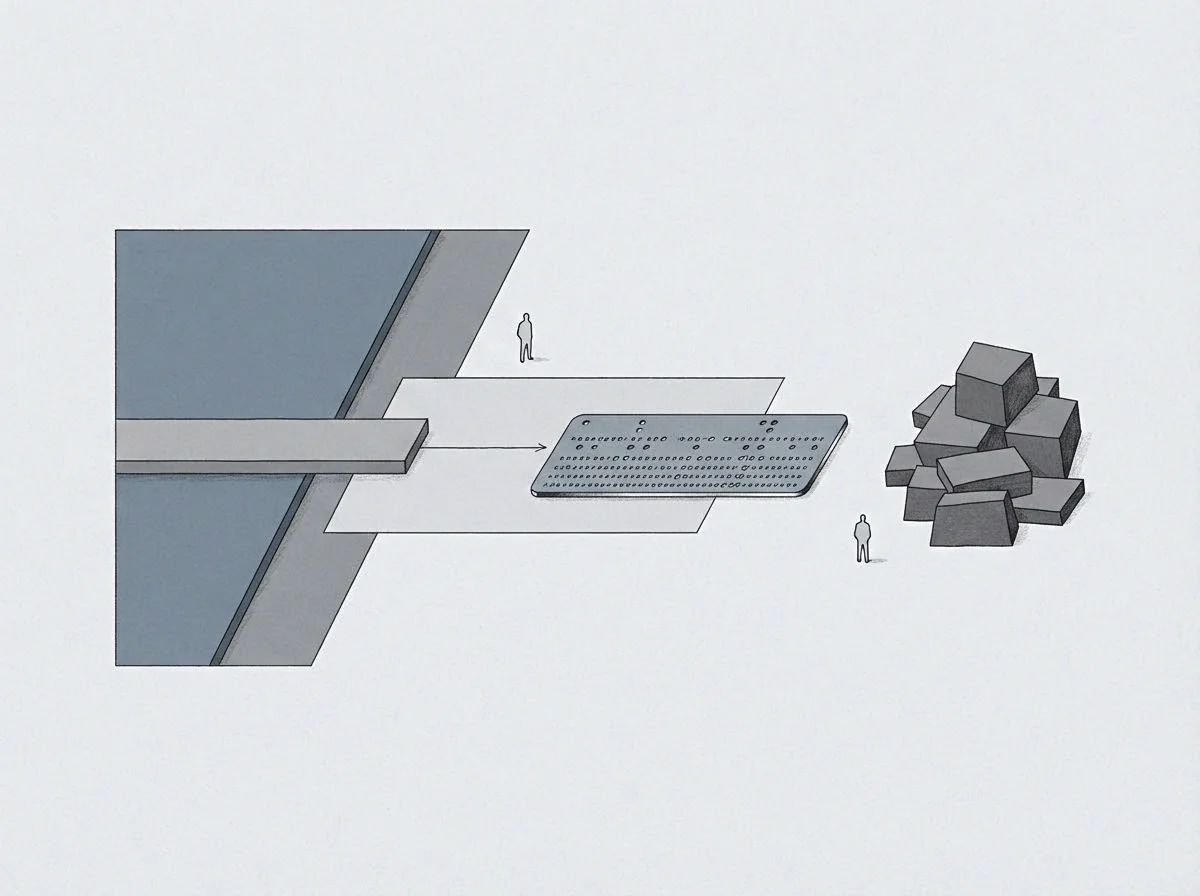
Contractual provisions that invalidate any changes not made in writing aim to protect the integrity of the original agreement. A no oral modification clause prevents parties from claiming that a verbal promise or a handshake altered their legal duties. This rule ensures that the written document remains the sole source of truth for the relationship.
It stops applying if a court finds that one party’s conduct created an estoppel that overrides the written word.
Protective Function
Risk is reduced when every change to a project must be signed by both parties. The no oral modification clause forces a pause in the workflow to document a shift in direction. This pause prevents the gradual drift of scope that often leads to budget overruns.
Evidence Barrier
Without a written record, a claim of a modified agreement usually fails in the presence of this provision. The no oral modification clause creates a high bar for anyone trying to prove that the rules changed. It forces the claimant to produce a physical or digital document rather than relying on a witness.
Legal Complexity
Some jurisdictions allow parties to waive this requirement through their actions over time. If both sides ignore the no oral modification clause for months, its power to block a claim might be weakened. However, keeping the clause in the contract still provides a strong starting point for defending the original terms in a dispute.
This protection is especially useful when the original founders are no longer involved in daily operations.