Meaning
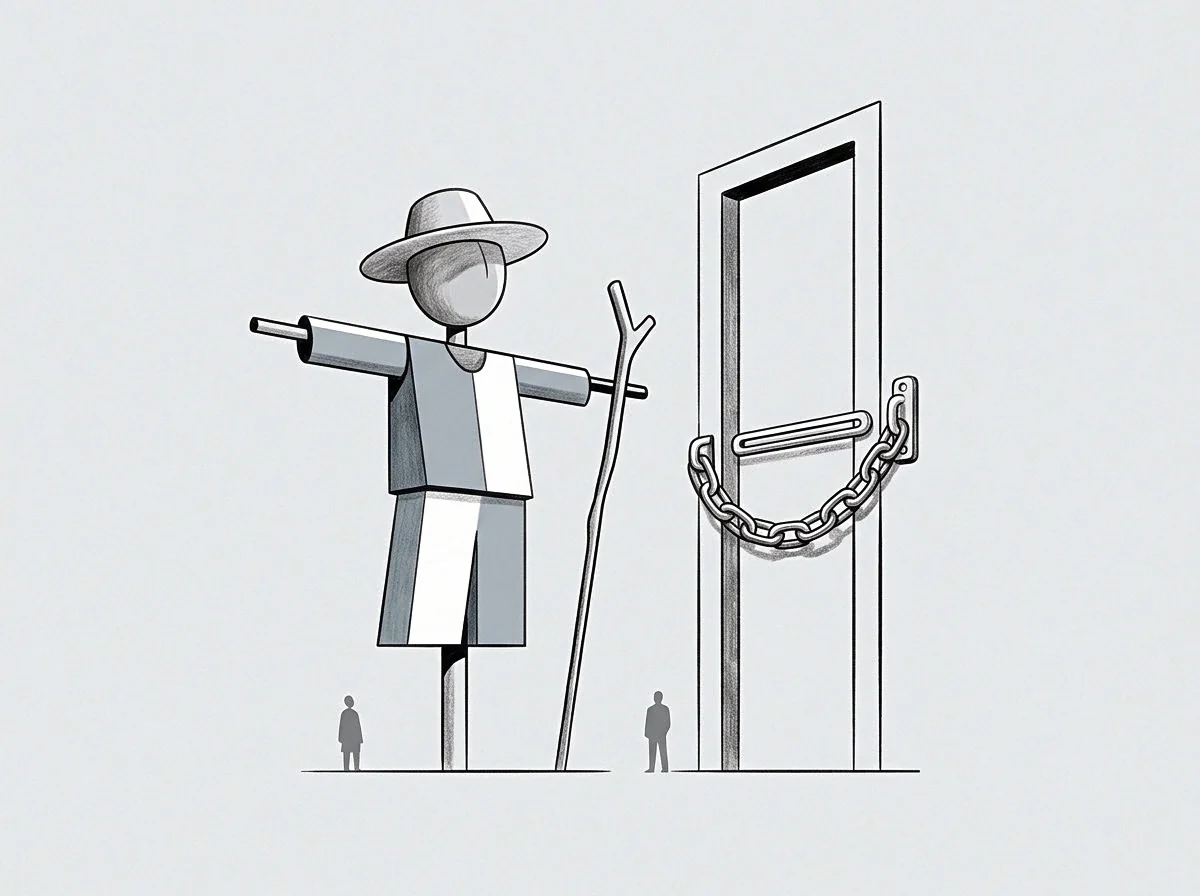
Contractual provisions requiring that any subsequent alteration, waiver, or amendment of an agreement occur solely through written documentation signed by both parties are no-oral-modification clauses. Such text creates a legal barrier against unrecorded verbal agreements, telephone understandings, and informal side deals made during the operational life of an enterprise. Parties insert these restrictions into corporate charters, shareholder pacts, and vendor contracts to freeze the baseline terms until a formal parchment replaces them.
Evidentiary Weight
Written documentation supersedes human memory in any subsequent commercial dispute. Verbal recollections fade, shift with self-interest, and contradict each other when two founders recall a past hallway conversation differently. No-oral-modification clauses establish an evidentiary standard that rejects spoken testimony regarding terms not reduced to writing.
Courts and arbitrators evaluating a contested claim look first for the physical signature on a formalized amendment. Spoken assertions carry zero weight once this evidentiary threshold is activated within a binding instrument.
Operational Friction
Administrative overhead increases whenever operating teams attempt to bypass formal writing channels for speed. Founders often make rapid operational concessions during late-night negotiation sessions with strategic partners without consulting corporate counsel. Subsequent performance based on these unwritten concessions creates dangerous reliance interests that test the strictness of the original drafting.
Enforcing the written requirement demands continuous internal discipline from every manager authorized to bind the firm.
Boundary Condition
Judicial interpretation varies across jurisdictions regarding whether subsequent conduct can override a written restriction through waiver or estoppel. Extreme reliance by one party on an unwritten promise occasionally forces a court to bypass the contractual barrier to prevent unfair loss. Careful drafting includes explicit anti-waiver provisions to prevent casual emails or partial performance from eroding the primary protection.
This ultimate limitation ensures that no-oral-modification clauses fail only when conduct demonstrates a deliberate, shared intent to abandon the formal writing channel entirely.