Meaning
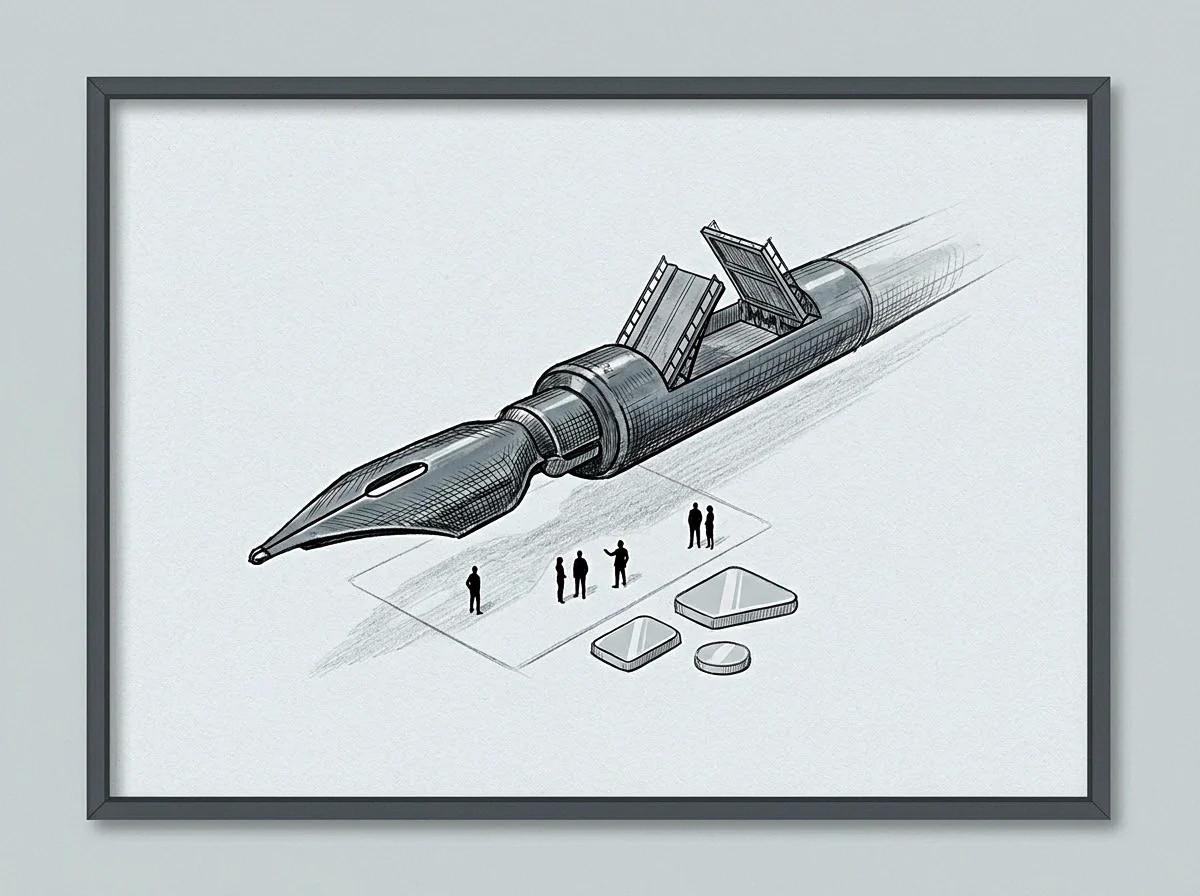
Evidentiary procedures allow a witness to view a document or object to stimulate their failing memory while they are on the stand. When a lawyer uses past recollection refreshed, the document itself does not become part of the record of the case. Instead, the witness looks at the item, puts it aside, and then testifies from their own renewed memory of the events.
This technique is common in trials involving events that happened several years prior to the hearing.
Stimulus Requirement
Almost any object can be used to jog the mind of a person giving testimony. For past recollection refreshed to work, the witness must first state that they cannot remember a specific detail. The lawyer then presents the item, such as a photograph or a handwritten note, and asks if it helps them remember.
If the witness says yes, they are allowed to describe the event in their own words. The effectiveness of the stimulus depends entirely on the subjective response of the witness.
Witness Testimony
The evidence provided to the court comes from the mouth of the individual directly. In the process of past recollection refreshed, the witness must be able to speak independently after seeing the item. If they are merely reading the document aloud, the testimony may be challenged as a hearsay violation.
The lawyer for the opposing side has the right to see the item and use it to cross-examine the witness about the accuracy of their memory. Judges watch the witness closely during this phase to ensure that the memory is genuine and not a rehearsed recitation of the text. A witness who relies too heavily on the prompt risks losing their credibility with the jury because it suggests that their original memory is completely gone.
Document Production
Rules of evidence require that any material used to help a witness remember must be shown to the other parties in the case. The disclosure requirement ensures that the use of past recollection refreshed is not being used to coach the witness or plant false information. The opposing lawyer can then show the document to the jury to demonstrate that the witness is being influenced by something that is not in evidence.
This requirement acts as a check on the integrity of the trial process.