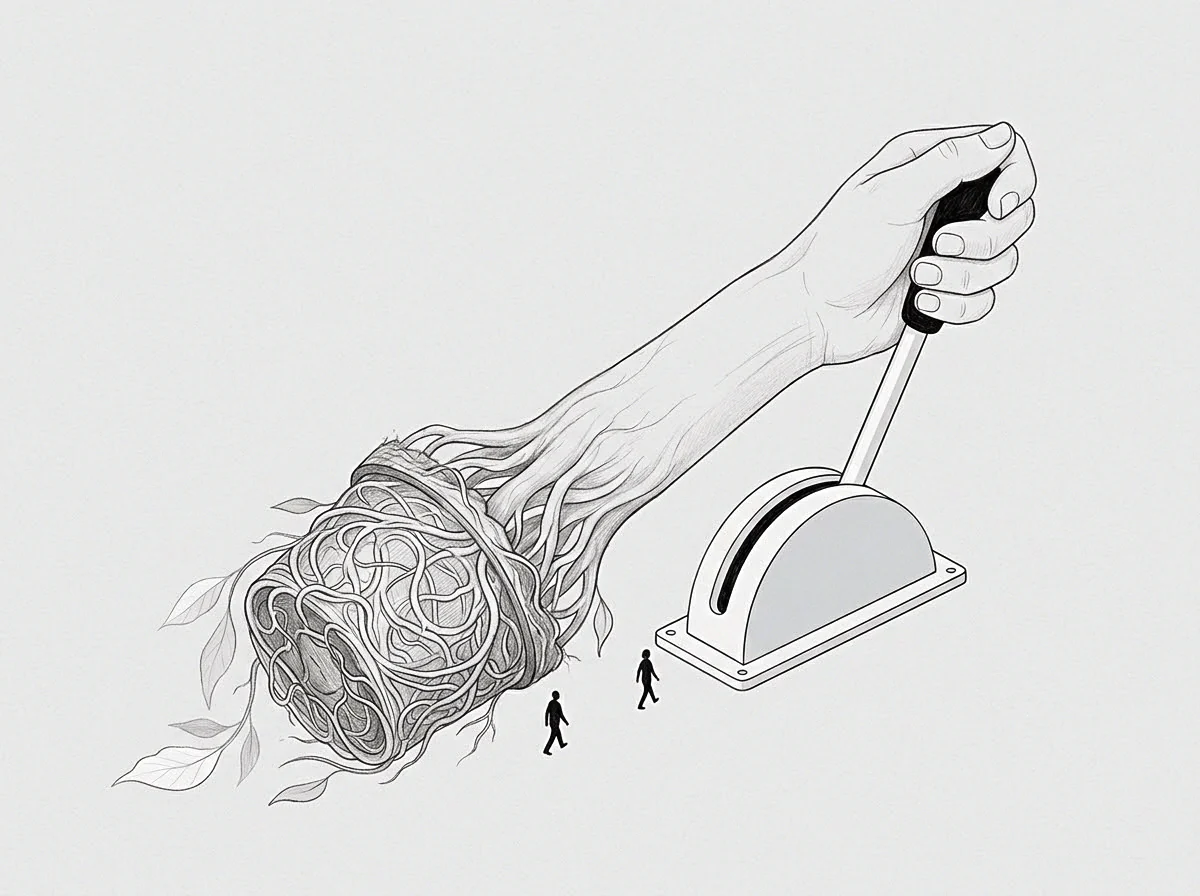
Meaning
Vulnerability arising from authentication tokens or permissions that remain valid long after their intended use has ended. Identifying persistent access risk involves auditing accounts that retain broad privileges without active monitoring or rotation. Left unaddressed, these dormant connections provide a static path for lateral movement by an attacker.
Privilege Duration
Length of time an account stays active determines its level of danger. A persistent access risk grows as people leave the company but their digital keys are not deleted. High risk accounts are those with the ability to delete data or change the security settings of the whole network.
Exposure Window
Period during which a system is open to attack defines the potential damage. Reducing the persistent access risk requires shortening the time that any one password or token is valid. A window that stays open for months offers an attacker plenty of time to learn the system and steal data.
Revocation Mechanism
Tools used to cancel access must work instantly across all systems. To manage persistent access risk, an organization needs a single button that can kill all sessions for a specific user. If the revocation takes hours to propagate, the intruder can still do damage even after they are discovered.
Automated systems often check for active sessions every minute to ensure that a cancelled key is truly dead. This constant checking is the final defense against an unauthorized user who tries to stay logged in.