Meaning
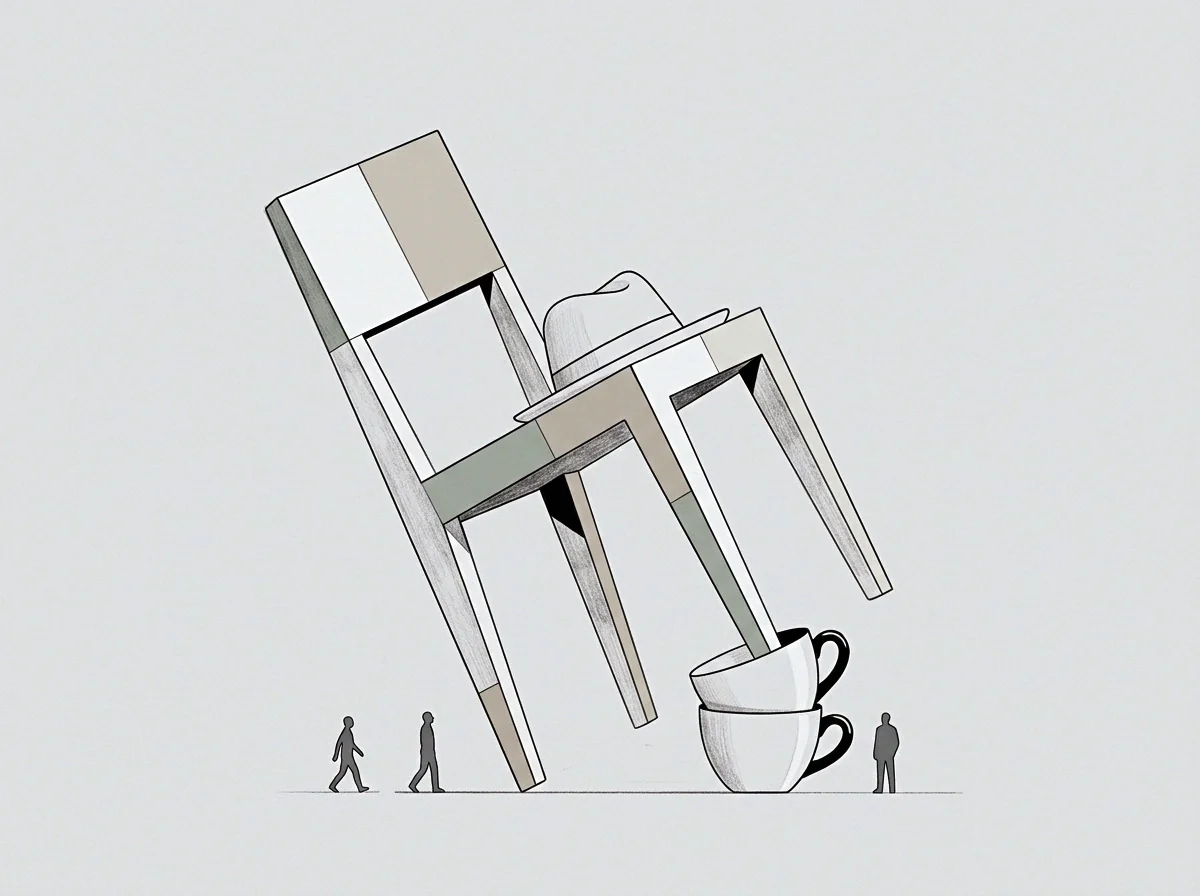
Gradual divergence between unwritten reciprocal expectations and actual professional realities alters informal understandings between business partners over time. The onset of psychological contract drift occurs when silent assumptions regarding work hours, compensation milestones, creative control, and mutual commitment uncouple from daily operating habits. One party perceives broken unspoken promises even though formal written employment agreements remain technically unviolated.
This drift ends once expectations are either explicitly renegotiated into formal contracts or result in permanent professional rupture.
Divergence Mechanism
Unspoken assumptions evolve differently across individual minds when communication channels break down under pressure. Unchecked psychological contract drift produces deep resentment as one founder assumes informal parity while the other operates under strict equity ratios. Without continuous alignment conversations, informal understandings transform into conflicting personal convictions regarding fairness and reward.
Silent misalignments compound invisibly.
Emotional Cost
Internal resentment generated by diverging expectations consumes mental bandwidth and drains executive focus. Suspicion replaces early trust, reducing operational collaboration and paralyzing strategic decision-making. The emotional capacity expended on managing perceived slights reduces commercial output and accelerates leadership burnout.
Documentation Boundary
Unwritten expectations carry no weight in legal venues governed by the four corners of a written agreement. Psychological contract drift cannot be addressed through commercial arbitration or corporate bylaws because subjective perceptions lack objective documentation. When formal contracts are enforced, unexpressed historical expectations are disregarded entirely.