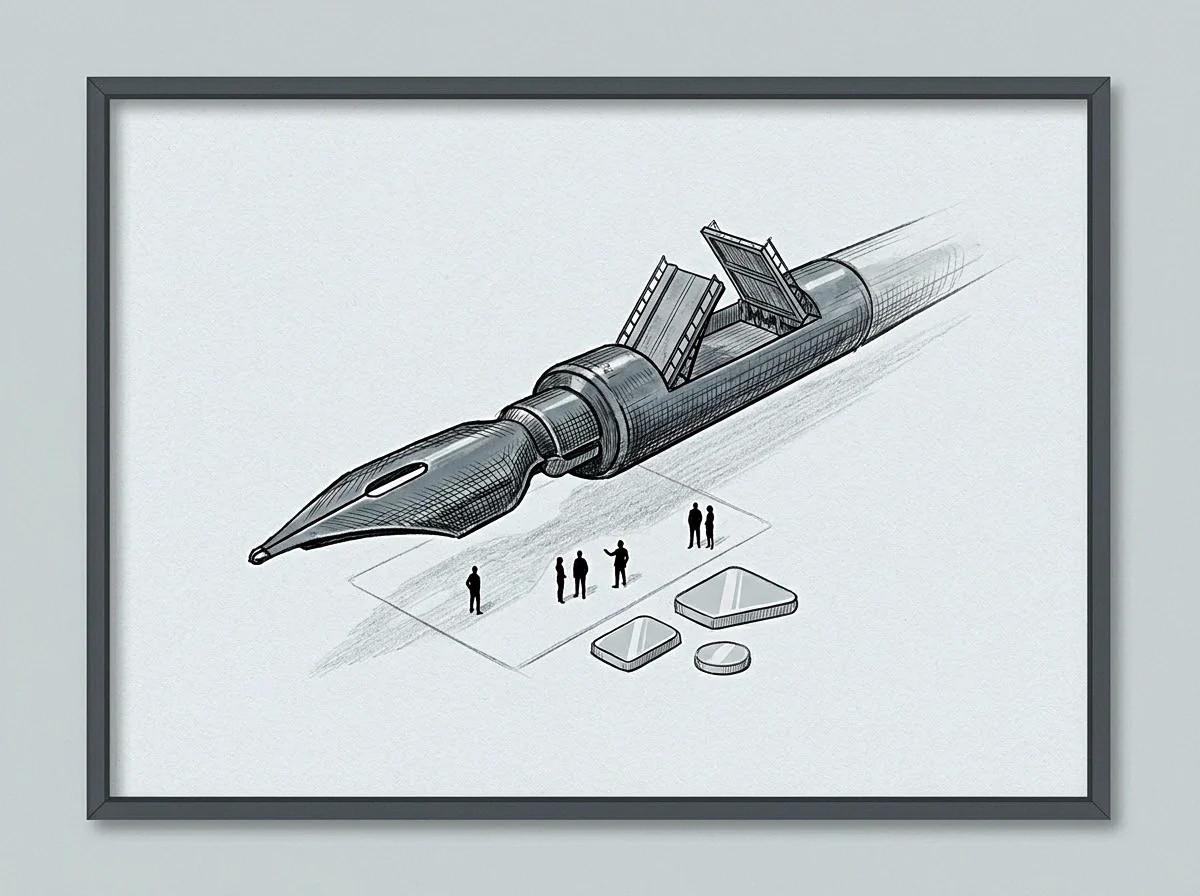
Meaning
Exceptions to the rules against hearsay permit the introduction of a writing as evidence if the author can no longer remember the facts they once knew. For a document to qualify as a recorded recollection, it must have been made when the events were fresh in the mind of the witness. The writer must also testify that the record was accurate at the time it was created.
This allows the jury to see the information even though the witness cannot describe it from their current memory.
Creation Timing
Documentation that occurs immediately after an event carries the highest level of legal reliability. To be used as a recorded recollection, the entry must have been written or adopted by the witness while the details were vivid. A delay of several months or years usually disqualifies the record because the risk of memory distortion is too high.
This requirement encourages founders to keep daily logs or journals of important meetings and decisions.
Accuracy Affirmation
Swearing to the reliability of a past writing is a prerequisite for its use in a legal proceeding. The person who made the recorded recollection must swear that they were truthful when they wrote the notes. They do not need to remember the meeting itself, but they must remember their habit of taking accurate notes.
The sworn affirmation bridges the gap between a lost memory and a surviving record. It turns a static piece of paper into a living piece of evidence.
Admissibility Limit
Admissibility rules require that the content of the document is read into the record but the physical paper is not usually given to the jury as an exhibit. Such a restriction on recorded recollection prevents the jury from giving the writing more weight than oral testimony. It also ensures that the record is used only for the specific facts that the witness has forgotten.
If the witness later remembers the event, the document is no longer needed and its role in the trial ends. The rule protects the principle that live testimony is the preferred form of evidence in a courtroom. An exception exists if the opposing party wants to introduce the document as an exhibit to show inconsistencies or errors in the witness’s story.
In most cases, the record functions only as a substitute for the witness’s voice and is handled with the same scrutiny as a statement made on the stand.