Meaning
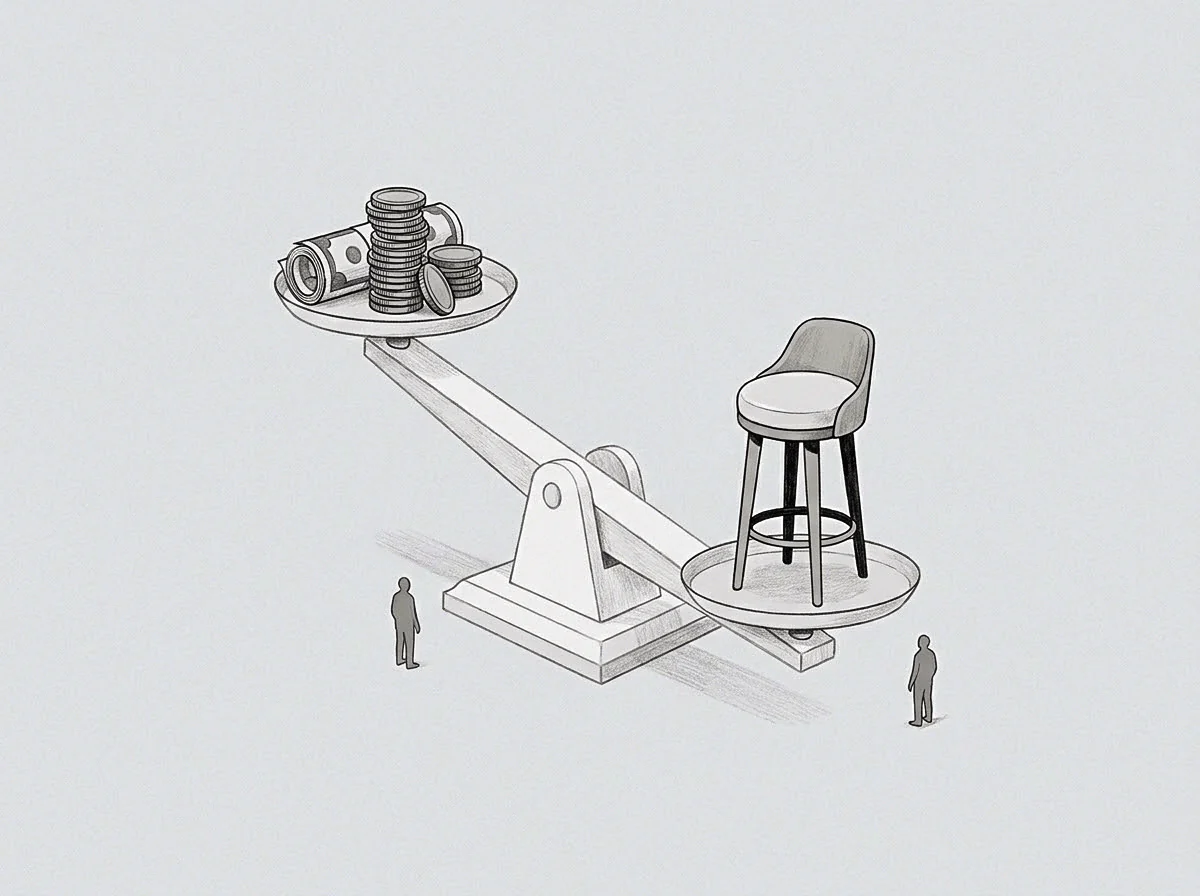
Replacement rate valuation identifies the capital necessary to replicate a specific asset base at prevailing market costs rather than historical expenditure. This method calculates what it costs to recreate an identical operational footprint if current facilities or equipment disappeared today. It functions as an appraisal tool for determining the gap between book value and immediate utility.
Operational Calibration
Founders utilize this metric to assess the true weight of their physical assets against the volatility of external supply chains. A firm might show a low depreciated cost on a balance sheet while the replacement rate valuation signals an massive expenditure spike due to localized inflation or scarcity. This divergence reveals a reliance on legacy pricing that ignores the realities of procurement.
Strategic Limitation
Asset redundancy assessments fail to account for the intangible growth or brand equity that a clean slate setup would lack. An organization remains an interconnected set of processes that a simple hardware purchase cannot recover. Disruption to team dynamics or loss of tacit knowledge stays outside the scope of this specific valuation approach.
Capital Planning
Senior decision makers apply this measurement when deciding between upgrading existing hardware or acquiring new capacity from a vendor. It grounds investment requests in the reality of what a competitor would pay to enter the market with equivalent capability. Accuracy here prevents underfunding during expansion cycles by matching liquid reserves to actual market prices for necessary equipment.