Meaning
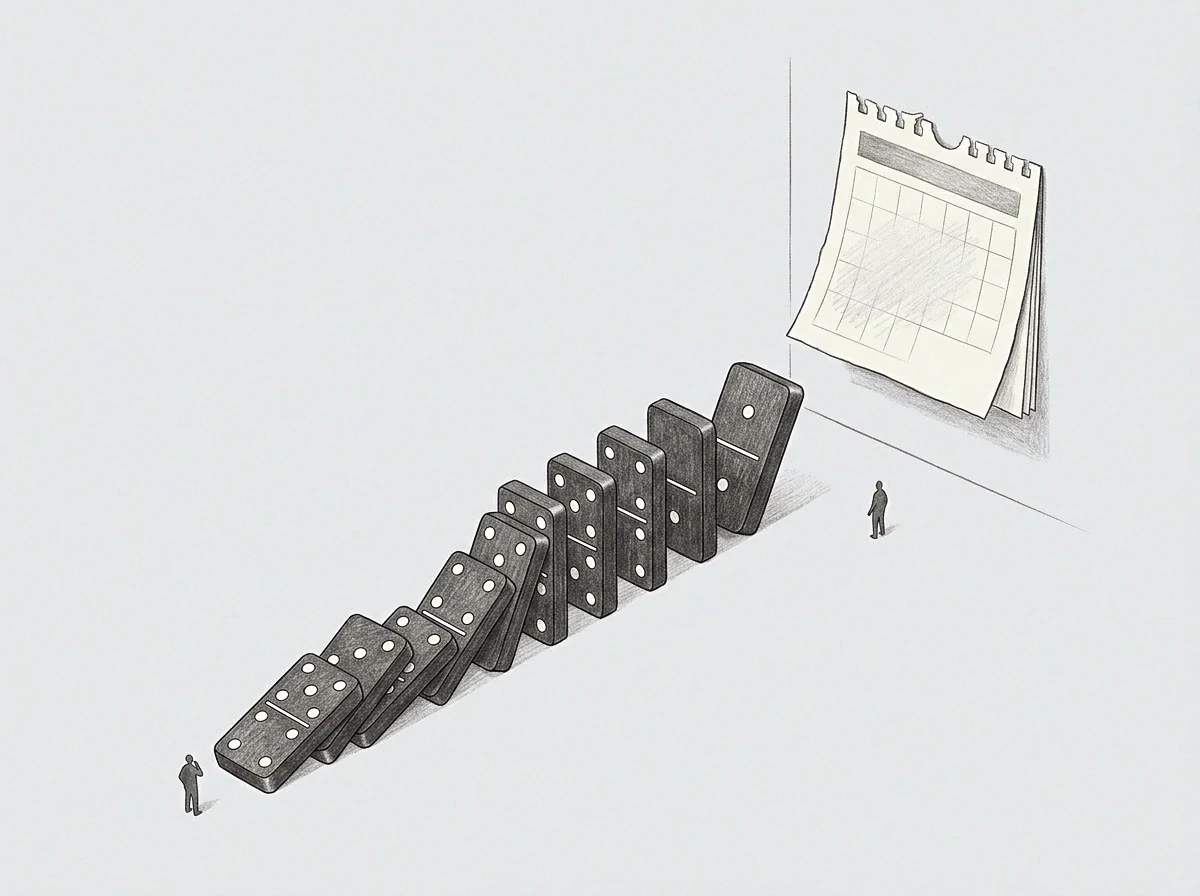
Ordering requirements ensure that every transaction or record follows its predecessor in a verifiable and unbreakable chain. The maintenance of sequence integrity prevents the insertion of fake records into the history of an organization. This property is required for financial logs and legal contracts where the order of events determines the outcome.
The boundary of this property is the mechanism used to link each record to the one before it.
Chronological Proof
Proof of order is established by including a reference to the previous record in every new entry. When sequence integrity is maintained, any attempt to reorder the logs is immediately detectable. This provides a clear timeline for the growth of the business.
Dependency Chain
Linking records creates a structure where the validity of the current state depends on the validity of all previous states. The enforcement of sequence integrity involves checking the hashes and sequence numbers of every block in the chain. This mechanism ensures that a stock grant issued on Tuesday cannot be placed before a board meeting that occurred on Monday.
It prevents the manipulation of the corporate timeline to favor one party over another. This technical constraint forces the records to mirror the actual flow of time. The cost of this integrity is the need to verify the entire chain whenever a new record is added.
Failure State
Discontinuity in the sequence indicates that the record has been tampered with or that data has been lost. A loss of sequence integrity renders the entire log unreliable for legal or audit purposes.