Meaning
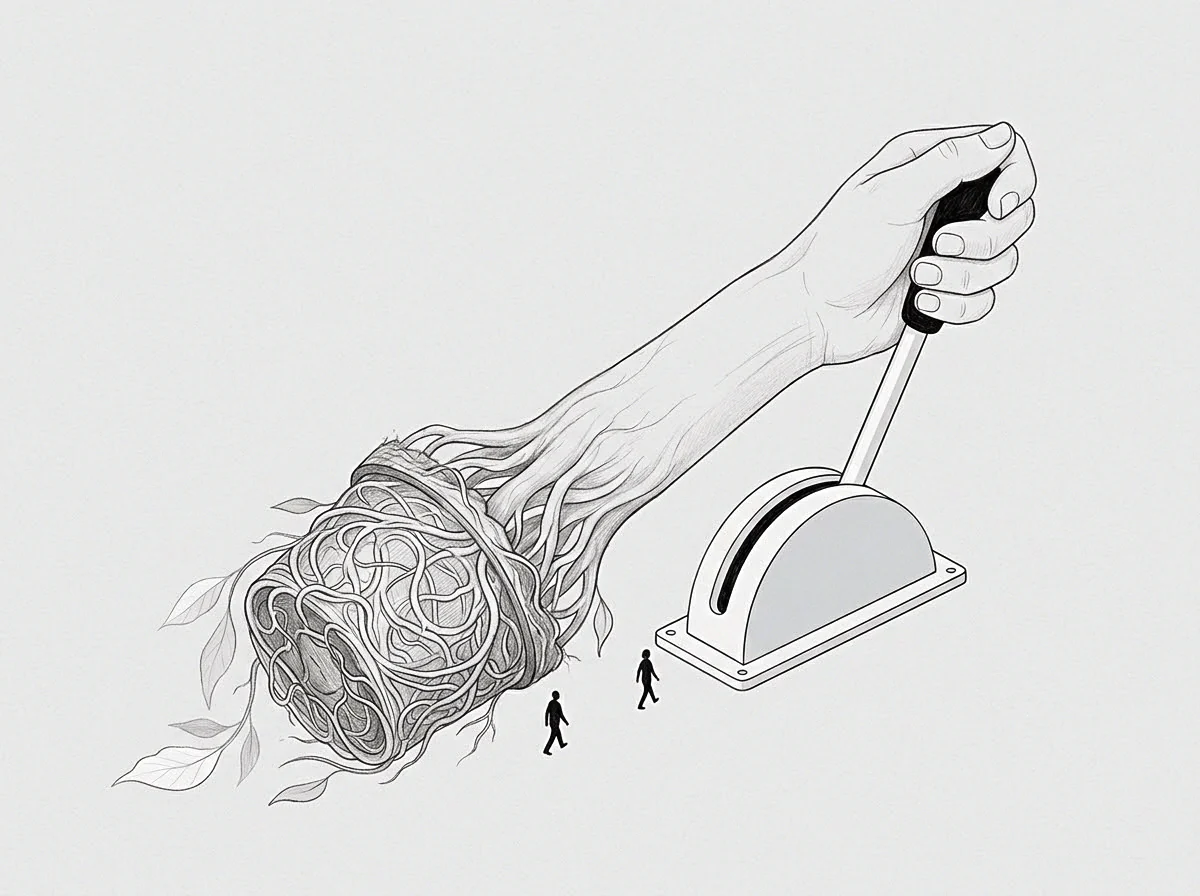
Hidden account permission grants persist when primary administrative roles terminate after a company founder exits an organization. Shadowed credential access occurs because automated service tokens or legacy software keys remain active within internal systems despite the removal of a human profile. Such lingering permissions create a blind spot in security audits because the original owner of the credential no longer maintains oversight or responsibility for its utility.
Security Risk
Technical vulnerabilities arise from these unmonitored pathways into data repositories. Obsolete credentials often bypass multi-factor authentication protocols established long after the initial creation of the account. Unauthorized entities exploit these gaps to extract proprietary information without triggering typical anomaly detection alerts.
Audit Protocol
Independent verification of system logs reveals the existence of dormant service accounts through frequency analysis of data requests. Analysts compare current personnel rosters against the list of active digital identities found within application configuration files. Discrepancies between these two data sets indicate active points of entry that lack a corresponding human custodian.
Resource Impact
Remediation of these ghost accounts consumes significant engineering capacity during transition periods. Manual rotation of API secrets prevents automated systems from failing but requires hours of investigation to map each credential to a specific function or dependency. Organizations that prioritize the systematic inventory of machine identities during the handoff process minimize the risk of future data breaches.