
Quantifying Administrative Risk Premiums When Technical Access Retains Undocumented Third Party Dependencies
Administrative risk premiums quantify the cost of discovering and isolating undocumented third party access dependencies retained after credential transfer.

Root
Administrative access and runtime dependency rarely align in enterprise software. Legal title transfers when root passwords rotate, single sign-on ownership updates, and credentials change hands. Execution, however, keeps running across background API calls, remote database connections, third-party authentication handshakes, and unmonitored scripts.
An audit log can show clean ownership of every primary server while masking the foreign infrastructure holding up daily operations.

Administrative Rights and Operational Dependencies
Handing over root access to a cloud server transfers hosted files and configuration data, but it leaves the runtime pipeline tethered to services outside that environment. Production builds routinely rely on third-party webhooks, build runners, DNS caches, and payment gateways wired to individual developer tokens or forgotten vendor accounts. When these connections go unrecorded, administrative ownership gives a false sense of operational control.
Engineers wire direct API calls into SaaS tools to ship code faster, and those integrations seldom make it onto formal asset lists. A seller marks the transfer complete once primary administrative logins change hands. Six months later, an unlisted vendor account lapses or an offsite build script drops off the network, bringing production to a halt.
Unregistered access paths quietly undermine primary administrative control.
Architects encounter four common patterns where administrative control decouples from execution:
- Orphaned Authentication Proxies relay incoming traffic through foreign identity providers that retain private encryption keys independent of primary system logins.
- Unlisted Static CDN Tokens serve media assets and script libraries through personal developer accounts that bypass central billing and access logs.
- Remote Scheduled Workers trigger critical database migrations and daily cache clear routines from offsite cron instances running on unmonitored infrastructure.
- Hardcoded Vendor Webhooks dispatch outbound transactional payloads through legacy API endpoints owned by former contract developers.
Each untracked execution link remains an administrative liability. Cutting off a departed contractor breaks production workflows if that contractor holds the API keys powering an underlying web service. Mapping every execution path prior to closing protects continuity; failing to verify secondary services leaves the buyer covering recurring outages and unplanned repair bills.

Gap
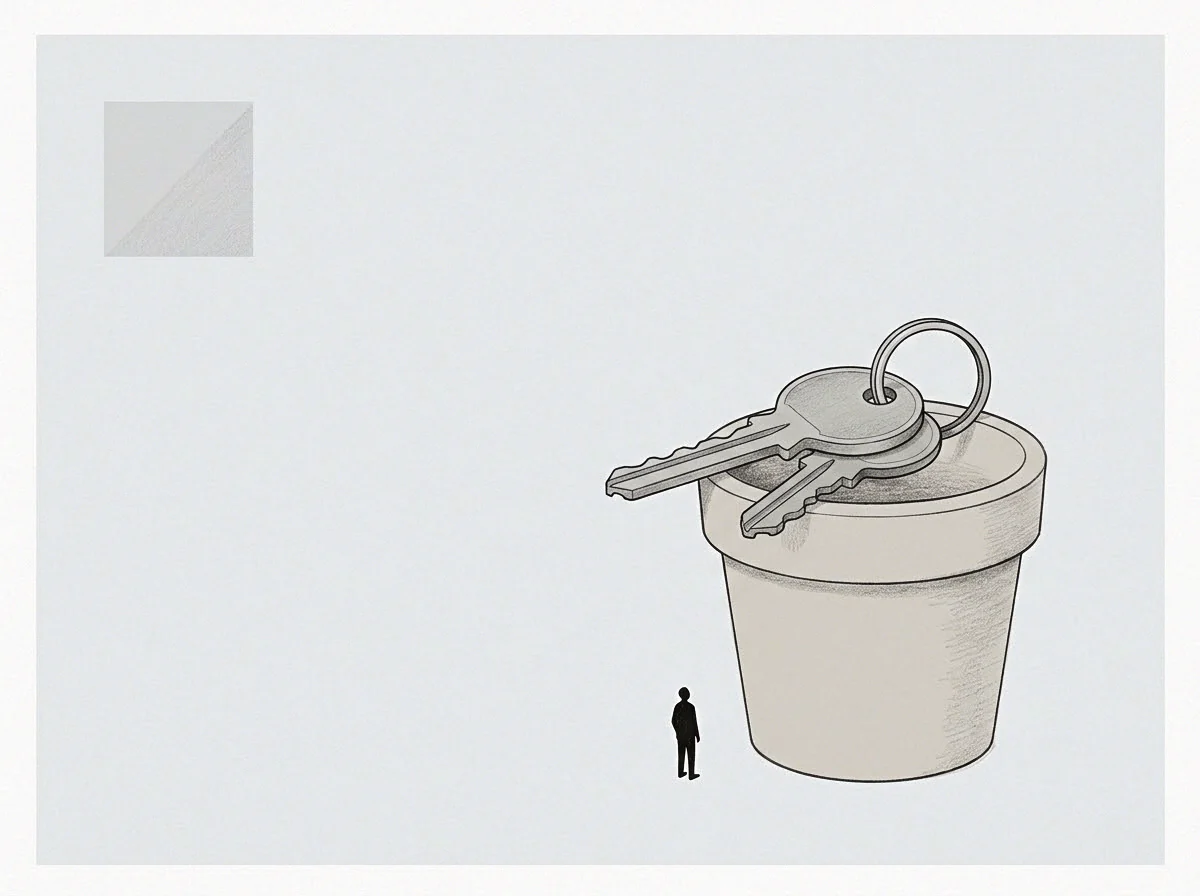
The split between administrative documentation and technical reality comes down to how different roles track their work. Legal teams build asset registries around contracts, primary vendor invoices, and domain registrations. Infrastructure teams manage workloads through direct commits, environment flags, and informal service links.
These records rarely match up while systems are running normally.
Divergent Records in Asset Handovers
These gaps usually surface during acquisitions, asset handovers, or internal reorganizations. Engineering teams reconstruct past technical choices around immediate operational needs rather than documentation protocols. A lead engineer who hooked up a logging service three years earlier treats it as background plumbing and leaves it off handover inventories.
The buyer assumes the transferred cloud account contains everything required to run the platform.
A cognitive psychology study examining engineer memory in complex systems revealed that technical teams misremember system dependencies in forty-two percent of non-routine audit scenarios. The research tested seventy-five senior infrastructure architects managing multi-cloud enterprise deployments, measuring recall accuracy for peripheral API dependencies against active server configurations. Accuracy degraded further when foreign dependencies functioned without operational errors.
This finding rests on self-reported architecture maps compared against automated telemetry traces in simulated enterprise environments. The observed error rate would shift downward if automated dependency scanners ran continuously during development, creating immutable execution logs rather than relying on retrospective engineer memory.
System documentation degrades as operational stability increases.
Administrative teams treat clean credential lists as proof of full operational autonomy. Engineering teams view external API integrations as standard development choices rather than potential access liabilities. That divide widens with every code commit that bypasses the corporate asset register.
When systems fail after closing, buyers and sellers view the breakdown through different lenses. The buyer argues the seller delivered an incomplete platform; the seller maintains that providing root access satisfied the contract. Meanwhile, secondary webhook calls buried in the repository go unaddressed until they fail in production.

Premium
Pricing administrative risk requires translating technical dependencies into concrete financial adjustments. Buyers calculate risk premiums to cover the capital needed to audit, isolate, rewrite, or indemnify undocumented execution routes. Without this adjustment, the acquiring entity shoulders the seller’s accumulated operational debt.

Financial Models for Dependency Remediation
Financial risk models assess technical assets across three parameters: discovery time, replacement expense, and downtime exposure. Untracked third-party dependencies force engineers to spend hundreds of hours diagnosing network traffic during live outages. Factoring a risk premium into purchase deductions or escrow holdbacks absorbs that labor expense.
Take an enterprise software asset acquired for 4.2 million dollars. Primary root credentials pass cleanly to the buyer at closing. An independent post-acquisition audit discovers fourteen active external API connections terminating at services owned by former contract developers.
Resolving these dependencies demands eighty hours of senior engineering labor per service to refactor application code, establish direct vendor relationships, and update security protocols. At an institutional rate of 220 dollars per hour, labor costs total 24,640 dollars. Potential operational downtime during service cutovers presents an estimated risk exposure of 180,000 dollars based on service level agreement penalties.
The calculated administrative risk premium for this transaction equates to the sum of direct remediation labor, contingency reserves, and business interruption liability:
Risk Premium = Remediation Labor + Downtime Contingency + Third Party IP Indemnity
For the 4.2 million dollar asset, the calculated risk premium totals 315,000 dollars, representing 7.5 percent of total transaction value. The buyer holds this sum in escrow for twelve months pending full dependency isolation.
| Dependency Risk Tier | Administrative Exposure | Remediation Labor (Hours) | Recommended Risk Premium (% Value) |
|---|---|---|---|
| Direct billing transfer required | 10 to 20 | 0.5% to 1.5% | |
| Immediate revocation risk upon offboarding | 40 to 80 | 3.0% to 5.0% | |
| Undocumented data leakage and routing control | 100 to 250 | 7.5% to 15.0% |
Calculating the risk premium before closing preserves capital for emergency system refactoring.
The mathematical decay rate of undocumented dependency risks over time remains difficult to isolate. Empirical data on how quickly legacy keys lapse without ongoing maintenance is scarce due to confidential corporate settlements. Facing this uncertainty, transaction teams often set a flat five percent holdback across two operating cycles instead of attempting complex decay forecasts.
Writing mandatory dependency disclosures directly into the asset purchase agreement converts hidden operational exposures into enforceable contractual warranties.

Claim
Closing the gap between documentation and runtime requires contractual protections and live network audits before escrow clears. Relying on verbal commitments or standard credential handoffs leaves the platform exposed to sudden third-party revocations. Verification must track real egress traffic alongside static codebase audits.

Contractual Isolation and Audit Execution
Sellers often push for an immediate close, maintaining that handing over primary keys satisfies the transaction terms. Buyers protect operational capacity by instituting structured verification sequences that isolate individual execution paths. The verification process forces hidden foreign dependencies into administrative view before financial escrow clears.
- Deploy continuous network egress monitoring tools across primary cloud environments for fourteen business days to capture all outgoing API requests, background ping signals, and foreign database connection attempts.
- Audit source code repositories for hardcoded API keys, bearer tokens, personal email addresses, and static foreign domain addresses using automated secrets detection software.
- Cross-reference active network connections against corporate invoice registers to verify that every outbound data flow matches a verified, paid enterprise subscription contract.
- Issue formal written notices to all past contractors requesting binding written certifications that no secondary credentials or development mirrors retain system access rights.
- Simulate complete external network isolation within a sandbox environment to identify which primary application features fail when third-party endpoints become unreachable.
Running this sequence brings unrecorded dependencies to light early. Catching a foreign integration before settlement pushes the cost of remediation back onto the seller, who must either refactor the codebase or accept a lower purchase price.
Contractual indemnities offer zero operational protection when an unrecorded external key fails at midnight.
Live telemetry changes the handover conversation. When egress logs reveal sixty thousand daily requests routed through a contractor’s private server, claims that the architecture is fully self-contained collapse. Concrete trace data replaces debate with quantifiable remediation figures.
What percentage of foreign micro-dependencies can safely remain active under temporary service level waivers without compromising long-term platform integrity?

Margin
Post-acquisition governance requires ongoing observation of administrative boundaries and egress logs. Systems drift as features roll out and third-party dependencies update. Without firm guardrails, undocumented external connections can accumulate again within a few months.
Escrow Holding and Structural Alignment
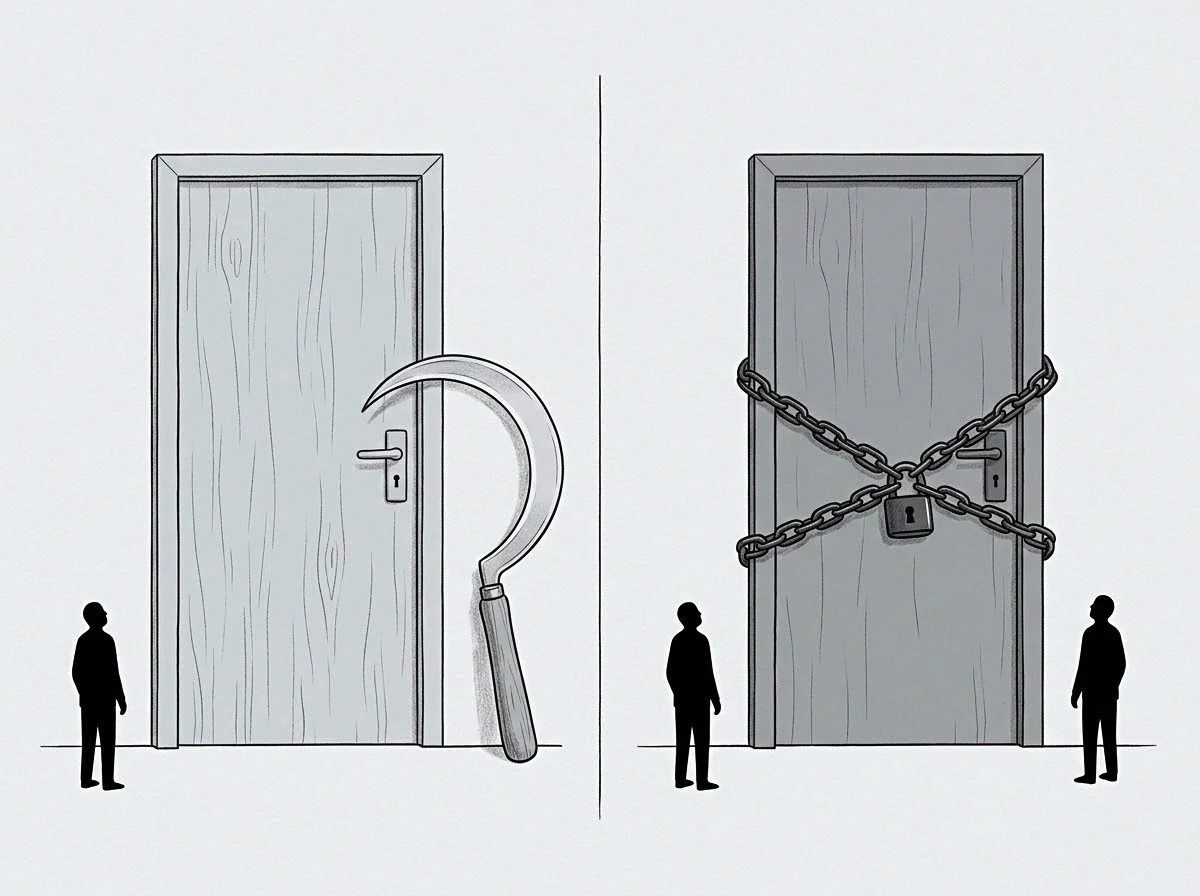
Escrow reserves safeguard operating capital during post-acquisition integration. Tying fund releases to verified technical isolation ensures that remediation expenses for failing third-party keys are drawn directly from held balances rather than through disputed claims.
Architects maintain clear operational boundaries by requiring single-tenant proxies, central key vaults, and strict network egress policies. Every new external connection or API key must clear administrative review before reaching production. This gatekeeping stops individual developers from linking personal accounts to production builds.
Operational clarity requires continuous alignment between legal access rights and technical execution paths.
The expense of technical due diligence is minimal compared to the losses caused by major outages. Teams that incorporate technical audits into their acquisition processes safeguard transaction capital and maintain platform stability. Administrative control matches operational reality only when every line of runtime code points back to an owned, verified infrastructure root.
Clean administrative records state legal ownership, but verified execution paths guarantee system operational survival.