Meaning
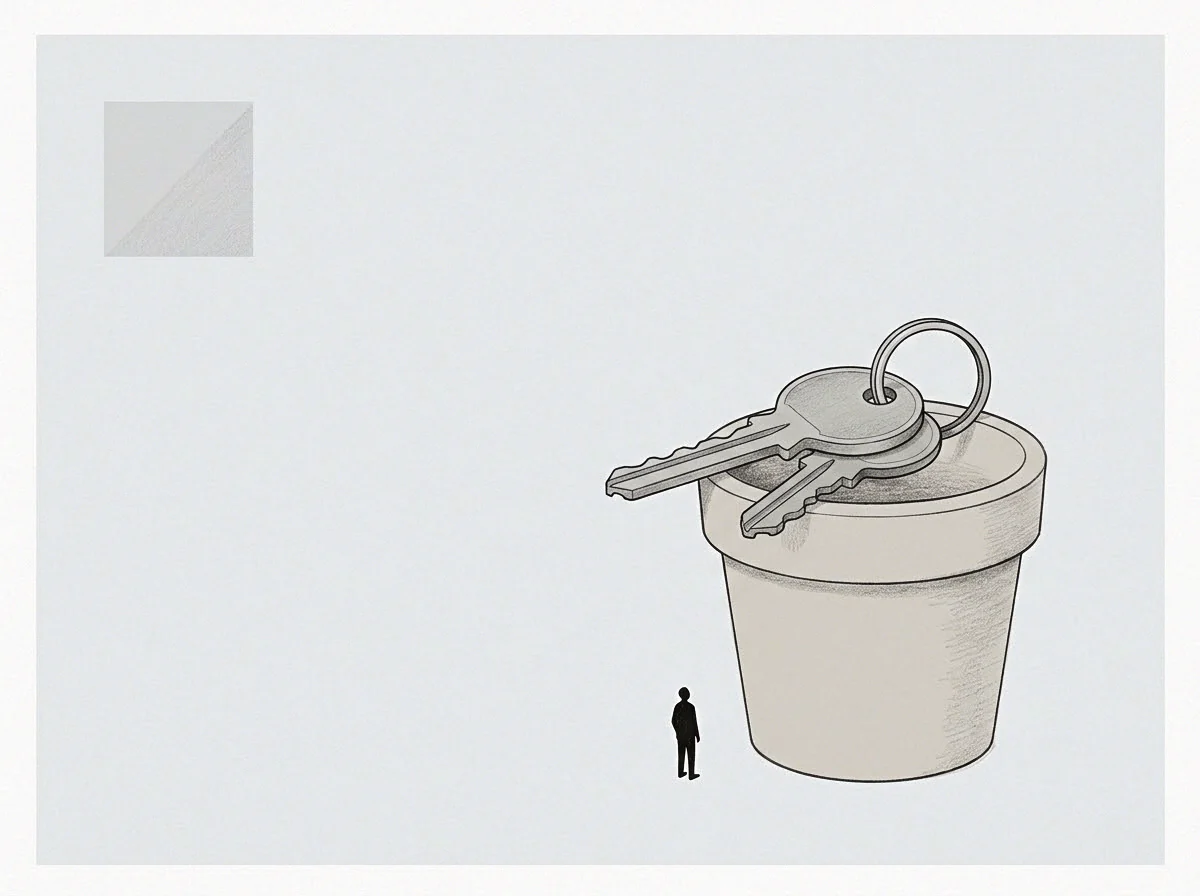
External services or components upon which a primary system relies to function correctly. Managing third party dependencies requires tracking the security posture and availability of every vendor in the supply chain. A failure in one of these external links can propagate through the network and cause a total system outage.
Supply Chain
Network of providers that contribute to the final product must be mapped and monitored. Every third party dependency represents a part of the system that the founder does not control. If a vendor goes out of business or changes their terms, the startup might have to rebuild its entire platform on short notice.
Failure Point
Single link in the chain that can stop the whole operation if it breaks. Identifying the most dangerous third party dependencies is the first step in creating a backup plan. A company that relies on a single payment processor has a high risk of losing its income if that processor has a technical problem.
Risk Assessment
Evaluation of the danger posed by external partners helps in making better business choices. The process of auditing third party dependencies involves checking their security certificates and their uptime history over the last year. This data allows a founder to decide if a vendor is reliable enough to be part of their long term strategy.
Regular reviews ensure that the risk level does not increase as the vendor grows or changes its own sub processors. A written record of these assessments is often required by investors during a due diligence check.