Meaning
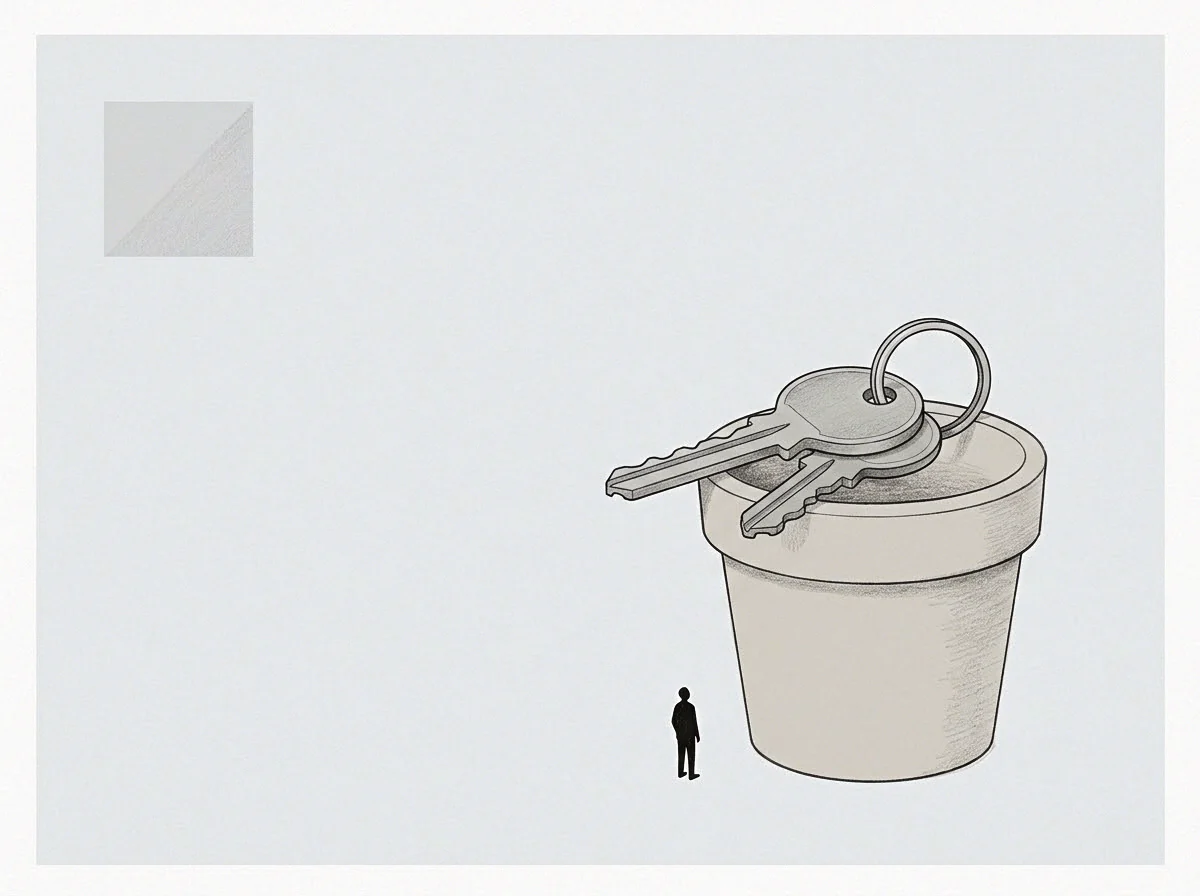
Financial arrangements that retain a portion of acquisition funds in a neutral account protect buyers from undisclosed liabilities or broken warranties. Parties to a transaction use escrow holds to manage risks associated with technical debt or tax disputes that might emerge after the deal closes. This mechanism ensures that the seller remains financially incentivized to assist with post-closing transition issues and resolve remaining system bugs.
It acts as a safety margin for the purchasing entity during the initial months of integration.
Financial Impact
Retention of sales proceeds delays the full liquidity event for the founding team and early investors. A significant portion of the transaction value remains locked up, which limits the founders’ ability to deploy capital into new ventures or personal holdings immediately. This restriction can alter the real rate of return on the transaction if disputes prolong the release period.
In most transactions, the held funds represent between ten and fifteen percent of the total purchase price.
Legal Record
Signed acquisition agreements detail the exact distribution dates and arbitration paths for any contested amounts. These documents prove the intent of both parties and define the specific milestones that must be reached to free the funds.
Release Condition
Successful resolution of post-closing warranties or software performance targets triggers the transfer of the locked funds to the sellers. If audits reveal previously undisclosed system vulnerabilities or regulatory gaps, the buyer can file a claim to retrieve a portion of the retained assets. This process requires clear technical audits and objective assessments to avoid lengthy legal challenges.
A well-defined list of triggers prevents administrative delays during the final distribution.