Meaning
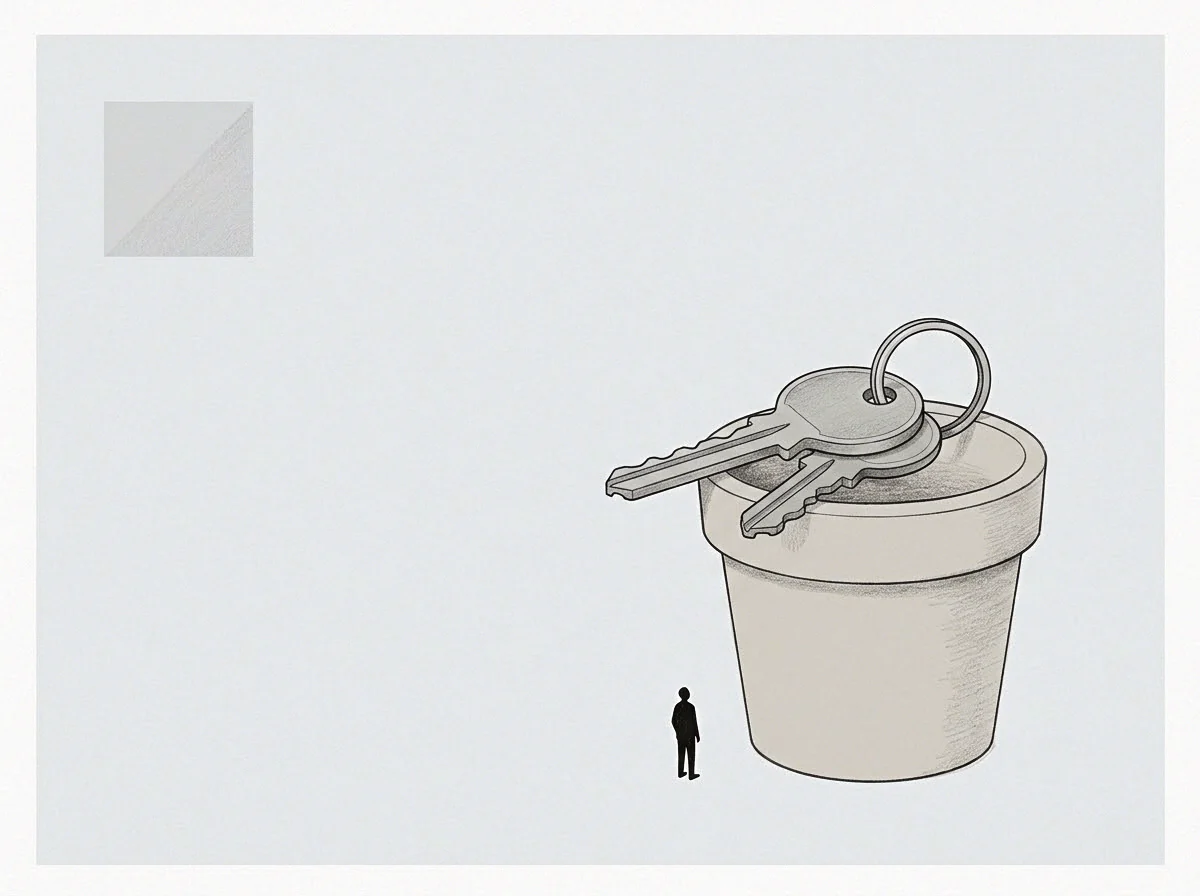
Unauthorized technical hardware or cloud resources operate outside official corporate IT governance and security oversight. Deploying shadow infrastructure introduces unmonitored attack vectors and unreviewed operating expenses into corporate environments. Software applications and hardware tools running without administrative approval bypass enterprise data retention rules.
The classification ceases to apply once deployed resources are discovered, subjected to security policy checks, and integrated into formal inventory systems.
Unsanctioned Deployment
Departmental teams or individual engineers frequently deploy cloud servers or software applications to bypass administrative delays. Relying on shadow infrastructure creates unaccounted financial commitments and untracked security exposures across operational teams. Lacking centralized administrative access prevents enterprise security teams from applying mandatory software patches or access controls.
Audit Discovery
Automated network scans and cloud billing reviews reveal hidden servers and unauthorized software services. Uncovering shadow infrastructure through systematic audits enables organization leaders to consolidate technical assets and eliminate redundant SaaS subscriptions. Documented system inventories replace informal operational knowledge with explicit operational records.
Operational Limit
Formalizing unauthorized resources secures system access but increases administrative maintenance burdens and recurring operational costs. Terminating unauthorized deployments risks disrupting undocumented business workflows that depend on unsanctioned tools. The remediation process balances technical security mandates against daily operational software needs.