Meaning
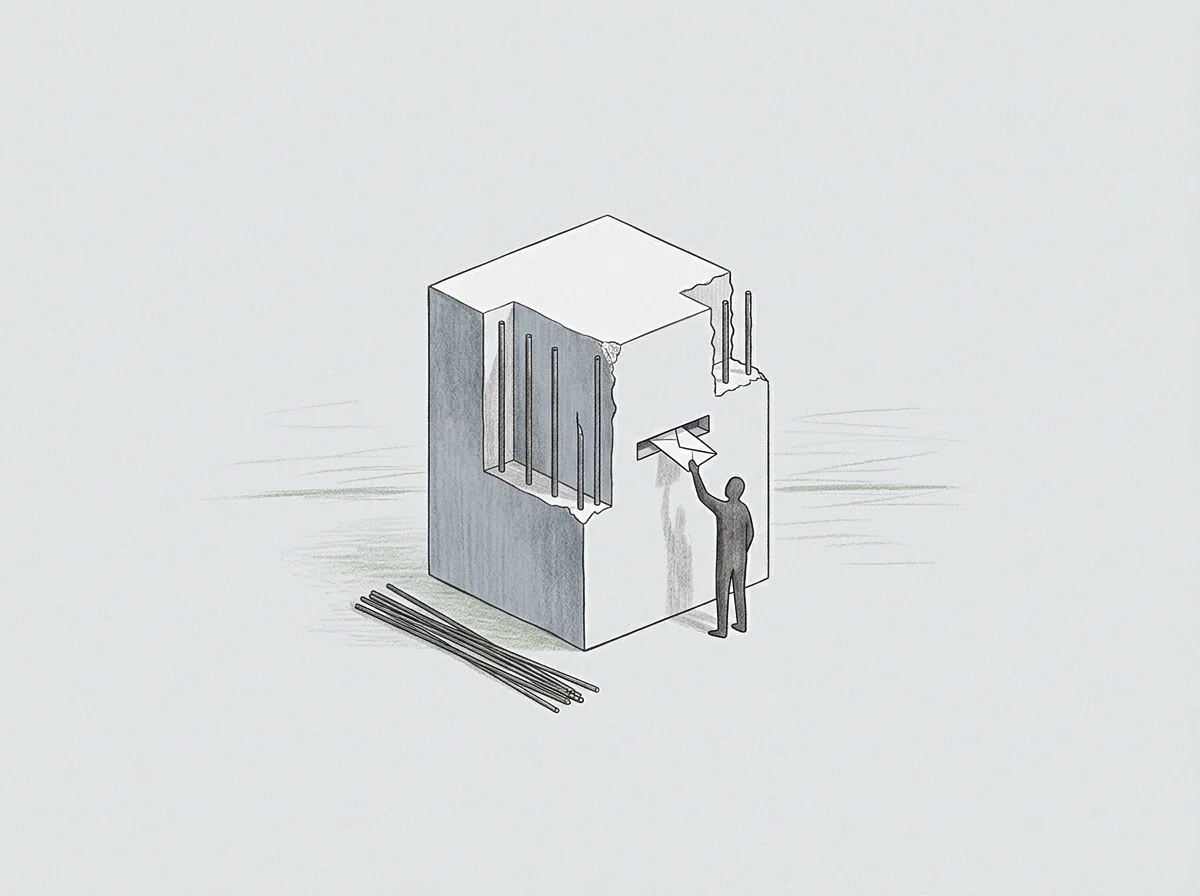
Passive acceptance of a situation or transaction through a failure to object or take action within a reasonable period can alter the legal rights and obligations of the parties involved. The occurrence of silent acquiescence implies consent to a state of affairs, even if no formal or written agreement has been executed. This legal concept often arises when a party remains silent despite knowing that another party is acting on an incorrect assumption or executing an unauthorized activity.
Operational Impact
Conceding rights through silence often occurs during the execution of long-term contracts where operational adjustments are made on the fly. When a manager fails to object to a counterparty’s deviation from contract terms, that silence can be legally interpreted as approval of the change. This means that silent acquiescence can permanently modify the operational boundaries between the parties.
To prevent this, managers must actively monitor all communications and register formal objections to any non-compliant behavior immediately.
Legal Threat
Allowing unapproved practices to continue without intervention exposes the organization to severe legal and financial risks. When a company does not protest against a supplier’s breach, it may lose its legal right to sue for that breach later. This loss of leverage can force the company to accept poor quality or delayed services.
For example, if a software development firm permits a subcontractor to use unauthorized open-source code for six months without objecting, the firm may be deemed to have accepted the practice. If the client later rejects the software due to the open-source code, the development firm cannot recover those losses from the subcontractor because its own silence waived the right to object.
Communication Safeguard
Establishing clear guidelines that require written responses to all operational updates prevents the unintended loss of rights. These guidelines must mandate that all objections be put in writing and delivered through official channels. This operational discipline ensures that the company’s silent periods are never interpreted as legal consent.