Meaning
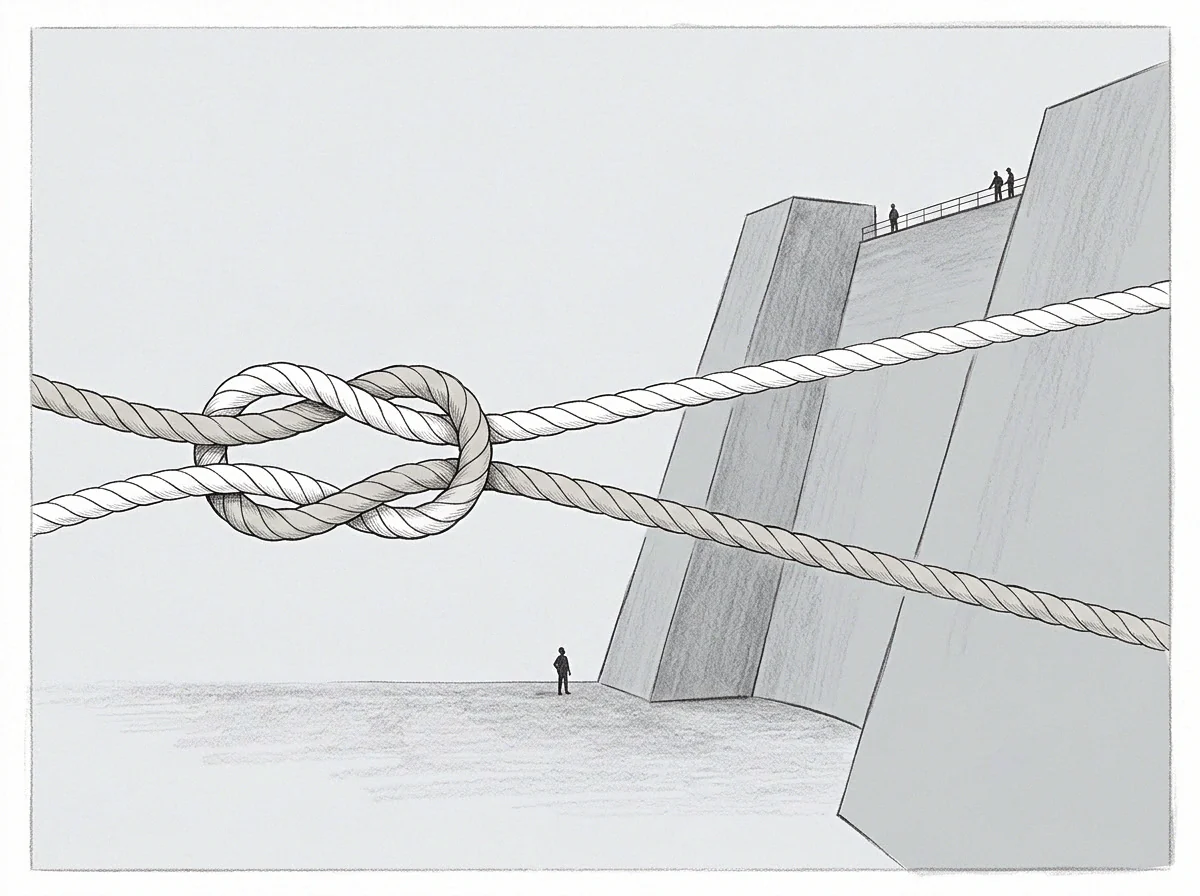
Legal responsibility for an earlier entity’s debts, torts and contract breaches transfers to an acquiring or reorganized enterprise under specific statutory and equitable exceptions. The legal transmission of inherited debt to a surviving corporate body constitutes successor liability following asset acquisitions or operational mergers. This principle ensures that corporate restructuring cannot be used as an evasive tool to wipe out legitimate creditor claims or founder equity rights.
It protects external claimants against abusive reorganizations, but it does not apply to bona fide arms-length asset purchases that preserve corporate independence.
Transfer Mechanisms
Successor liability attaches to an acquiring entity when a corporate transaction bypasses the standard rules of separate corporate existence. Courts assign this liability under doctrines including express assumption, de facto merger, mere continuation and fraudulent transfers. If a new corporation buys an old venture’s software, employs the same staff, operates from identical facilities and leaves the old entity an empty shell, a de facto merger exists.
The acquiring entity becomes legally answerable for the unaddressed debts of the predecessor. Continuity of ownership and operational leadership triggers this equitable transfer, rendering formal legal entity divisions ineffective against aggrieved claimants.
Impact on Reorganizations
Corporate buyers and reorganizing founders face serious financial risk when attempting to shed early corporate debts through asset sales. Successor liability permits unpaid co-founders, tax authorities and trade creditors to sue the new operating company directly. Due diligence procedures require meticulous audits of past operations to identify unliquidated liabilities before finalizing restructuring transactions.
The failure to secure comprehensive releases from past collaborators allows historical equity disputes to resurface against the capitalized successor. A venture cannot escape liabilities by reincorporating under a fresh corporate charter if ownership and operations remain identical.
Doctrinal Boundary
General corporate rules shield asset purchasers from the debts of sellers in legitimate commercial transactions. Successor liability remains an exception to the baseline rule of limited liability and does not attach where an acquisition involves adequate cash consideration, separate management and distinct operational goals. An arms-length buyer purchasing equipment at a fair auction owes nothing to the failed entity’s unpaid contributors.
The doctrine ceases to apply where corporate continuity is genuinely broken. Without common control, fraudulent intent or an assumption of liabilities, the successor operates completely free from the predecessor’s historical debts.