Meaning
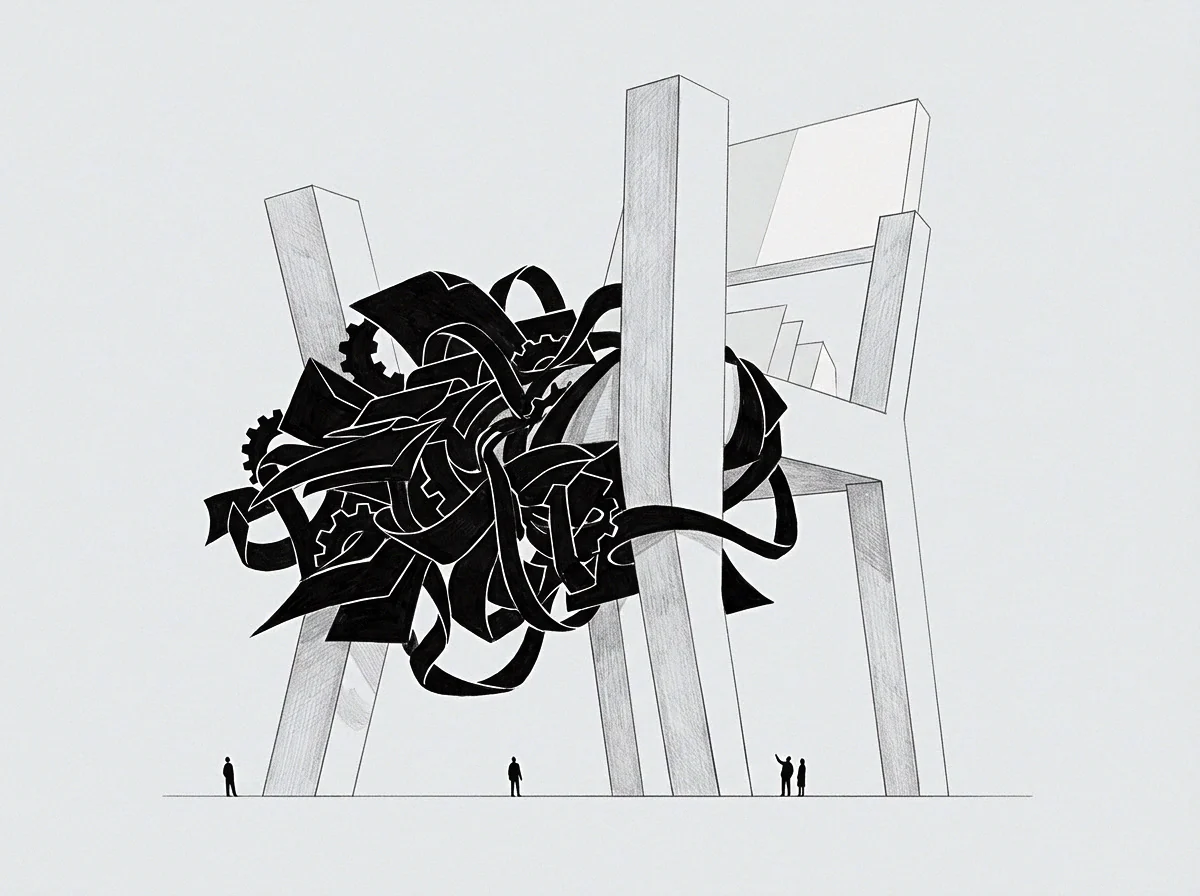
Contractual arrangements that mimic the financial effects of a physical asset separation without legally transferring the assets allow for flexible divestiture strategies. A company uses a synthetic carveout when a physical split is too expensive or legally complex to execute quickly. The parties agree to adjust payments and revenues as if the business units were independent, creating an economic reality that differs from the legal ownership.
This structure provides a temporary solution during a transition.
Economic Simulation
Building a contractual bridge between two business units allows them to act as separate entities while they remain under one roof. Implementation of a synthetic carveout uses service level agreements and internal pricing to mimic the cost of independence. It allows the founder to show a potential buyer exactly how the unit would perform if it were truly alone.
The records created during this phase provide the financial history needed for a future sale. This method is particularly useful for units that share a large number of employees or infrastructure with the parent company.
Financial Adjustment
Adjusting the internal accounts ensures that the revenues and expenses are attributed to the correct part of the business. During a synthetic carveout, the parent company and the spinoff unit must track every transaction with extreme care. This process avoids the messy task of physically moving bank accounts or payroll systems.
It relies on a clear accounting policy that both the buyer and the seller agree to follow.
Separation Risk
Managing the danger of a messy divorce requires a clear exit strategy in the legal documents. A synthetic carveout does not solve the long term problem of legal ownership, so it must eventually be replaced by a real separation or a sale. If the deal falls through, the company must be able to undo the internal changes without disrupting the business.
This structure allows for a faster exit when time is the primary constraint.