Meaning
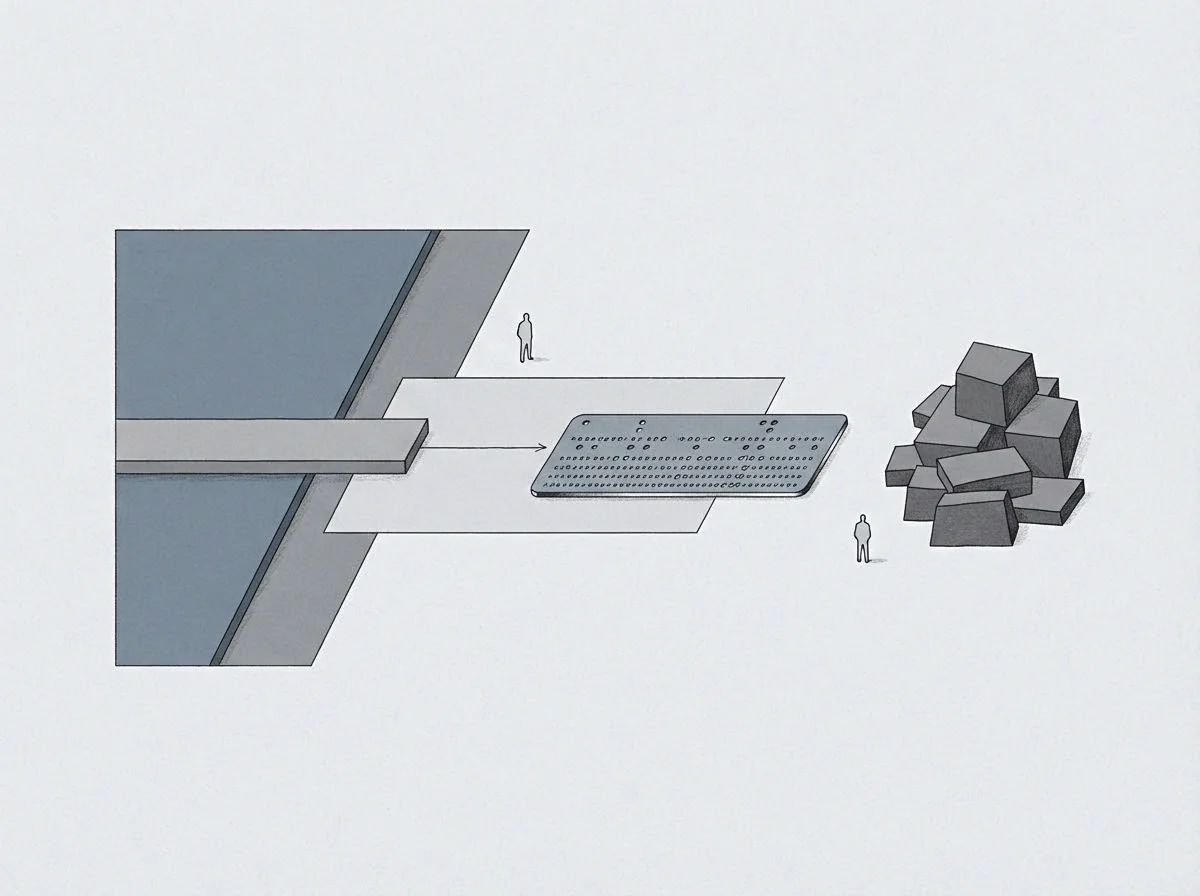
Linking mechanisms that connect a specific claim or piece of evidence to a verifiable point in time create a firm structure for a narrative. Temporal anchoring uses external events like a bank transfer or a public filing to prove that a certain action must have happened before or after that moment. The method prevents the shifting of dates that can occur when people try to rewrite history.
It applies to any dispute where the order of operations is the central question.
Reference Point
Finding a date that cannot be disputed is the first step in the process. Temporal anchoring relies on records from third parties, such as a timestamp from an internet service provider or a date stamp from a government office. These points act as the fixed nodes around which the rest of the timeline is built.
Sequence Verification
Once the anchors are set, other events are slotted into the gaps between them. Temporal anchoring reveals contradictions, such as a person claiming to have sent a file before the computer that held the file was purchased. This logical checking ensures that the story being told is physically possible.
Evidence Strength
A claim that is well anchored is harder to overturn than one that floats freely in time. When temporal anchoring is applied correctly, it turns a series of disconnected memories into a rigid chain of proof. The resulting chain survives even when the people involved are no longer available to testify.