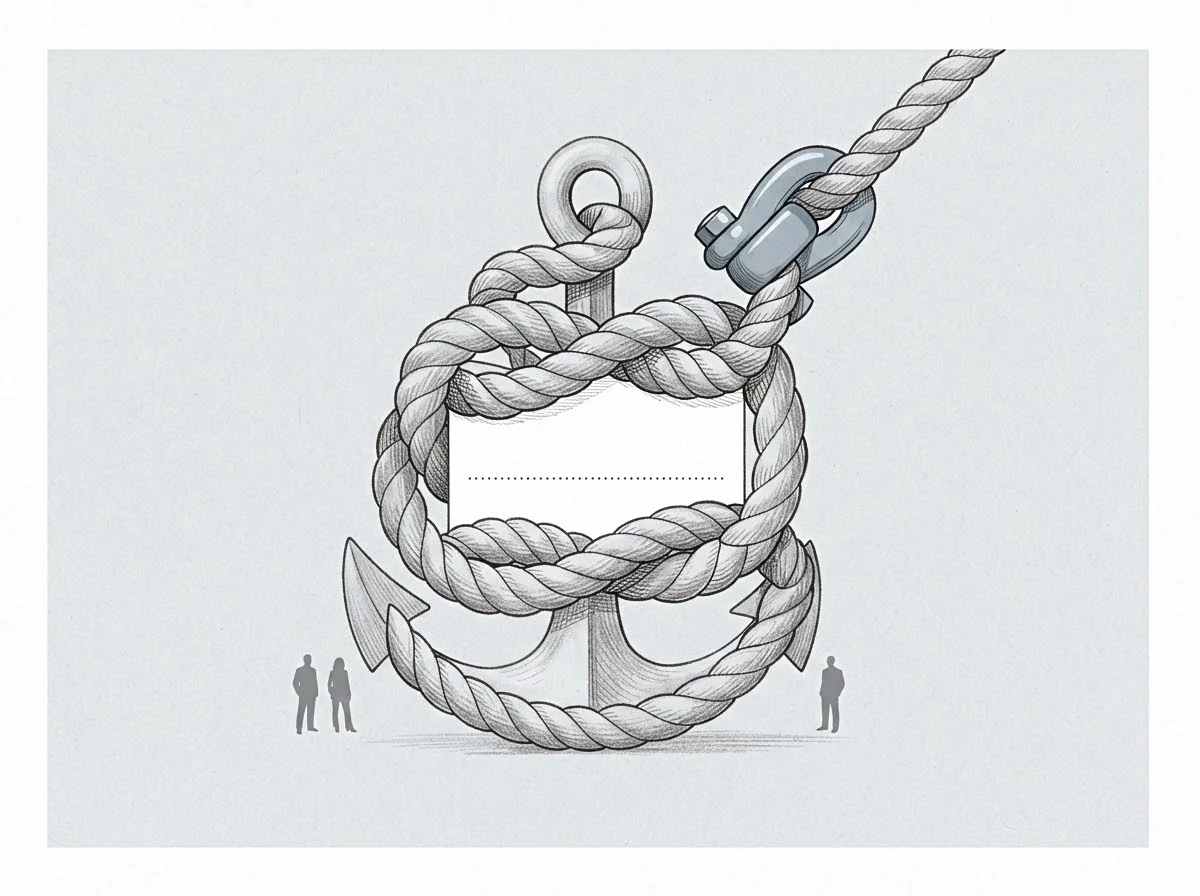
Meaning
The consolidation of distinct operational layers into a unified data architecture defines total integration. This mechanism removes isolated silos by creating a shared protocol for every software component within an enterprise. Data flows without manual transformation across departments because the underlying structures align to a single schema.
This alignment ensures that information generated in one division immediately updates the records in all others.
Operational Efficiency
Resource expenditure decreases when systems share a unified backend because technical maintenance cycles happen simultaneously. Teams stop managing fragmented databases and shift focus toward managing the health of the primary stream. Redundancy vanishes as the need for custom scripts to move data between platforms disappears entirely.
Deployment Boundary
High initial installation difficulty limits the utility of this approach to organizations with mature digital infrastructures. Technical debt accumulates rapidly if the architecture fails to accommodate new variables during the migration phase. Rigidity remains a permanent feature of this configuration because changing a core component often requires a complete overhaul of every connected node.
Evidence Verification
A forensic trail confirms the success of the process when every entry within a report points back to a verified origin point. Discrepancies vanish because the system prevents duplicate records from existing across the network. Auditors find complete parity between the financial data and the operational logs of the company.
A lack of such synchronization indicates that information remains distributed across legacy silos instead of existing in total integration.