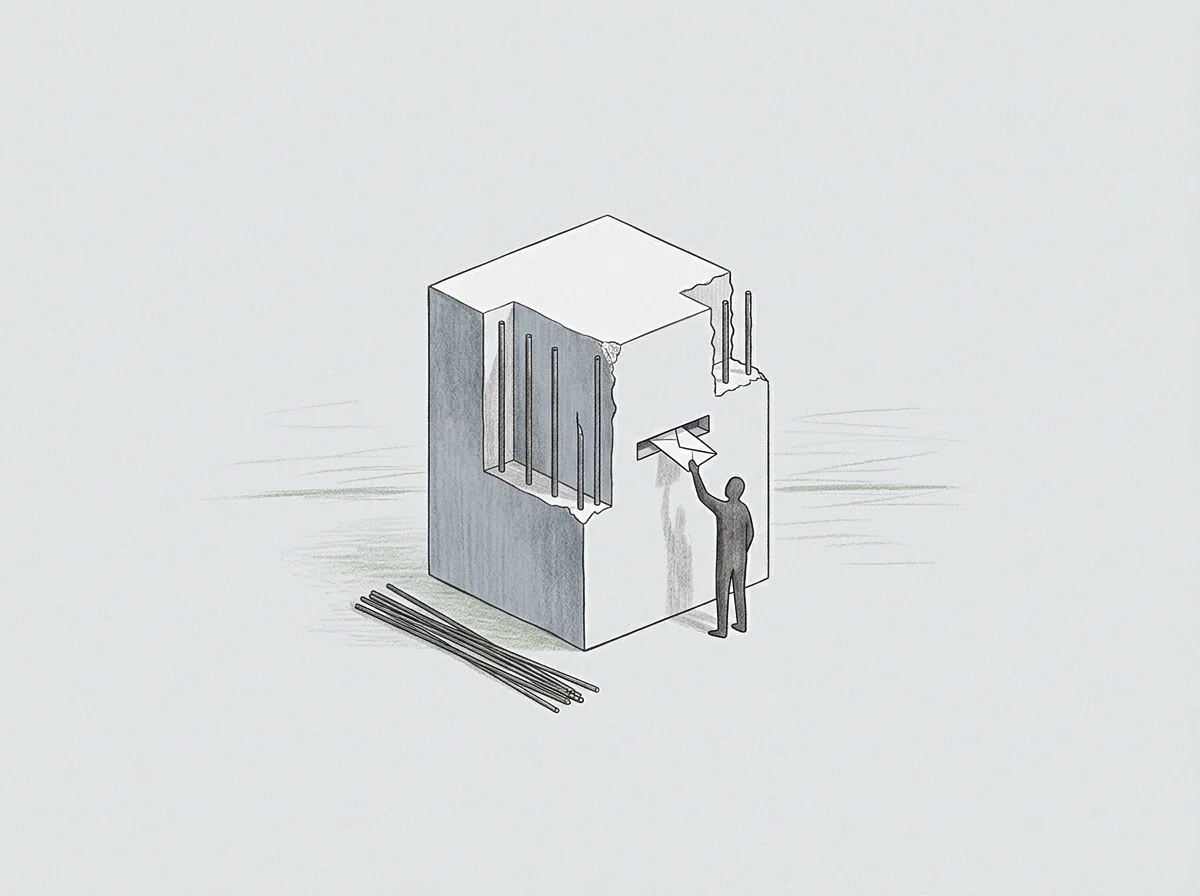
Meaning
Unilateral timestamping represents a solitary recording method where one party applies a chronological marker to a document or data sequence without external verification from a counterparty. This process establishes an internal record of when information reached a particular state during the post-founding phase. Such logs track the creation or modification of specific assets within an organization while remaining subject to the limitations of local clock synchronization.
Accuracy depends entirely on the integrity of the hardware or software clock employed by the entity creating the entry.
Temporal Integrity
Reliability issues arise because the author retains total control over the generated metadata. A person could adjust a system clock to backdate an agreement or advance the appearance of an action performed later. Discrepancies often emerge if two parties attempt to reconcile records based on independent logs that lack a common clock source.
Courts or auditors treat these markers as secondary evidence that proves the existence of a file at a specific moment but fails to guarantee the validity of the content.
Administrative Burden
Maintaining these files requires constant synchronization with trusted time servers to avoid internal drift. Each cycle of time updates consumes computational energy and demands attention from technical staff to ensure that records remain contiguous. Data storage capacity depletes as the volume of logs grows over time.
Operators weigh the cost of these hours against the risk that an unverified claim will face scrutiny during a future audit.
Technical Boundary
Limits on this practice appear when a document necessitates legal proof of receipt by an independent party. Digital signatures or public ledgers exist to solve this deficit by moving the act of validation outside the reach of the original creator. External timestamps provide a form of protection that unilateral markers cannot offer.
The utility of the singular record ends exactly where the requirement for objective consensus begins.