Meaning
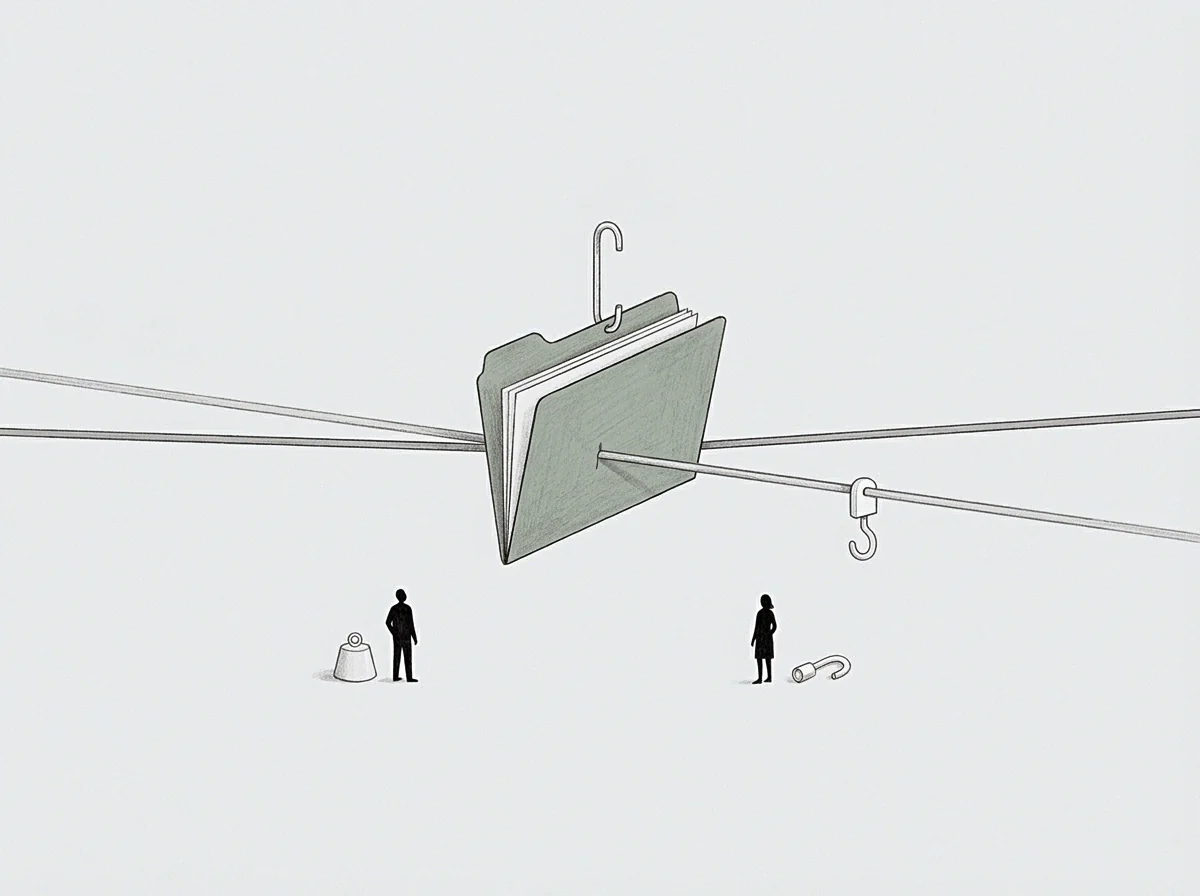
Business termination processes used to end a relationship between two or more people who worked together without a formal signed agreement are described by this term. An unwritten partnership dissolution relies on the laws of the state to decide how assets and debts are split. Because there is no contract, the law usually assumes that everything is split equally, regardless of who did more work.
This process ends when the assets are sold and the proceeds are distributed to the former partners.
Implicit Contract
Courts look at the behavior of the people to decide if a partnership actually existed. An unwritten partnership dissolution starts with an analysis of bank accounts and shared office leases. If two people shared profits and managed a business together, the law treats them as partners even if they never signed a single piece of paper.
This creates a legal reality that many founders are not prepared for when they decide to part ways. The record of their daily actions becomes the contract they never wrote.
Residual Distribution
Liquidation of the company’s property follows a set of rules that prioritize creditors before any partner gets a cent. In an unwritten partnership dissolution, the lack of a buyout formula leads to long arguments over the value of the brand and the customer list. Partners often have to hire expensive appraisers to put a price on things they built together.
This can eat up a large portion of the company’s remaining cash. The absence of a pre-agreed plan makes the process slow for everyone involved.
Uncertainty Cost
Founders who operate without a contract face a much higher risk of losing their personal assets if things go wrong. An unwritten partnership dissolution is the most expensive way to end a business because every single detail is up for debate.