
Informal Message Channels and Board Member Accountability
Informal message channels split board governance into parallel records, creating divergent recollections that paralyze accountability during disputes.
Wire
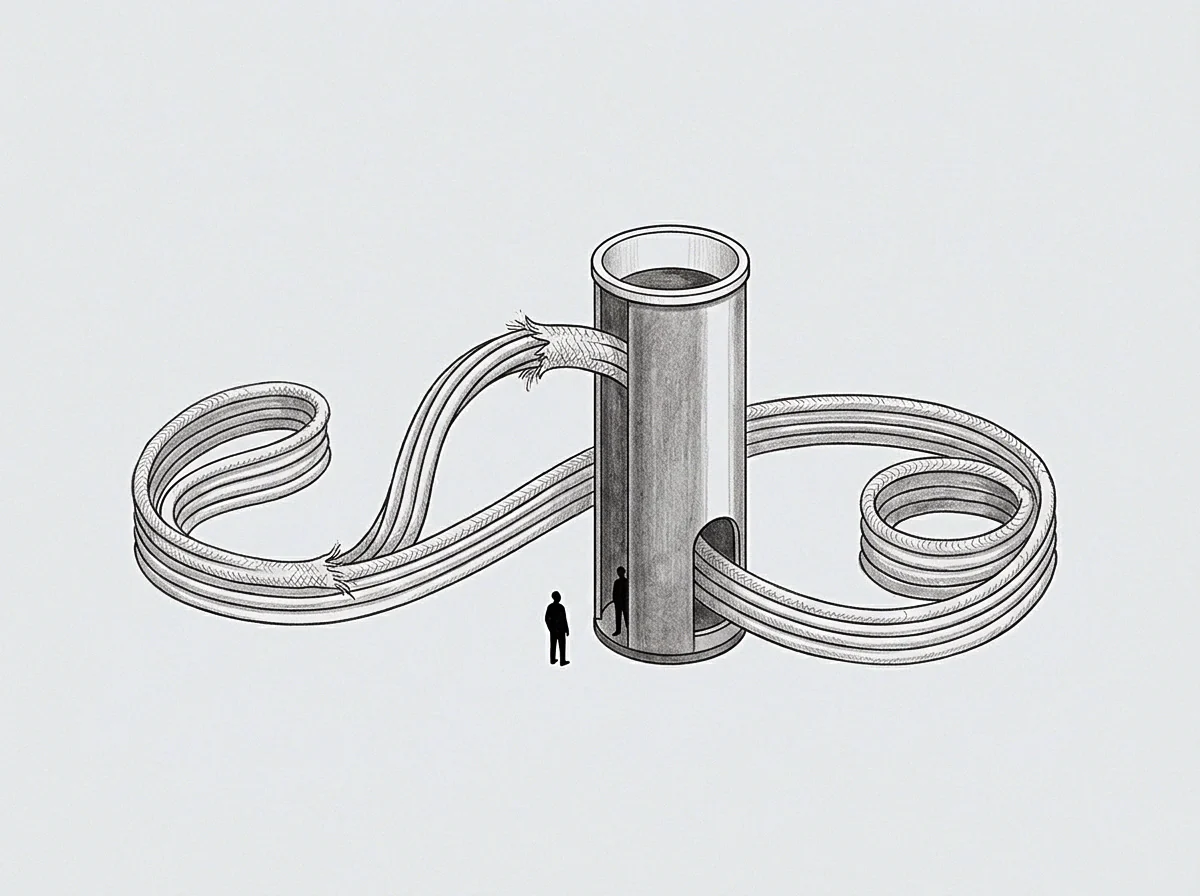
Board business migrates off the minute book the moment a single director texts another about an agenda item before the meeting convenes. A parallel exchange opens instantly. On one side sits the formal documentation: the distributed packet, the logged resolutions, the transcribed votes, and the corporate secretary notes.
On the other side runs the unindexed stream: the direct message, the encrypted side channel, the phone call placed from an airport terminal, and the unminuted dinner conversation. Two accounts of corporate reality begin accumulating immediately. Neither account consults the other during ordinary quarters.
Informal messaging creates an unaccountable governance tier. When directors discuss executive compensation, financing options, or litigation exposure inside ephemeral applications, official records cease to record deliberation. The corporate record becomes a hollow chronology of ratifications.
Decisions occur hours earlier across private threads, leaving the official meeting as administrative theatre.
A private text between two fiduciaries creates an unminuted commitment that corporate records neither track nor extinguish.
Fiduciary duties apply across every medium. Corporate law evaluates care and loyalty through the factual record of director conduct. When discovery demands during shareholder litigation capture private devices, courts inspect informal messages without distinguishing them from formal committee memoranda.
Discarding retention obligations by moving to private chat applications exposes directors to personal liability. The delusion persists that digital informality confers legal invisibility.
The director holding the formal account assumes the board acted strictly on materials presented in the packet. The director holding the backchannel account remembers private bargains struck through quick text confirmations. They held different meetings in the same hour.
The delta between the accounts remains invisible until an external dispute compels discovery.
Every informal exchange had an innocent operational explanation at the moment of transmission.
Drift
Bifurcated Records and Information Asymmetry
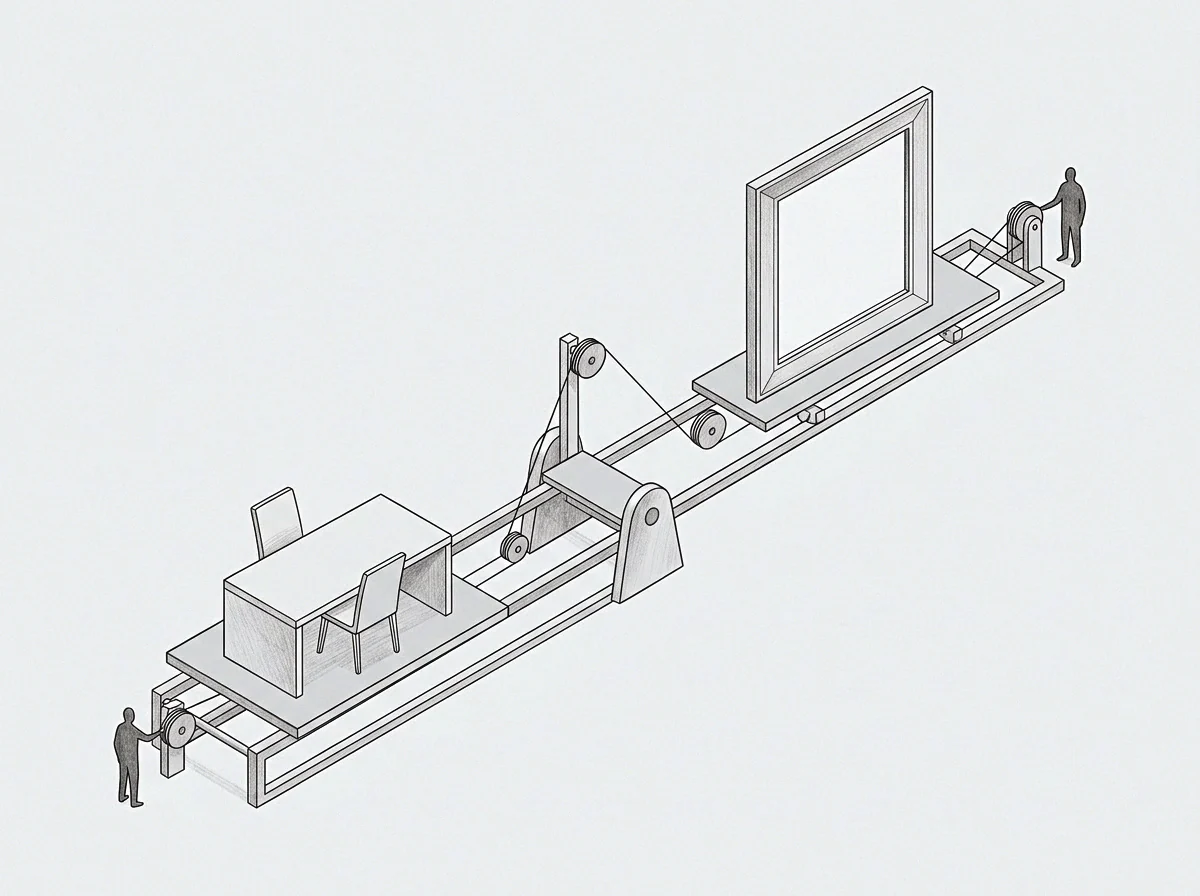
Communication architectures dictate how authority operates inside a company. When directors create backchannels, they split the governing body into two tiers: the included and the bypassed. The bypassed directors read the board materials and believe they possess full operational context.
The included directors review the same materials while cross-referencing private commentary running across handheld screens.
Divergence begins with small operational shortcuts. A chief executive texts the compensation committee chair to gauge sentiment on equity grants before filing proxy disclosures. The chair replies with informal assent.
The chief executive interprets that brief response as an agreement. The committee chair views the message as preliminary chatter subject to formal deliberation. Both accounts feel entirely grounded to their respective owners.
Neither party verifies the other person’s interpretation.
Cognitive reconstruction widens the gap over subsequent quarters. Memory transforms ambiguous casual phrasing into definitive authorizations. The party receiving a favourable text reconstructs it as binding consent.
The party dispatching the text recalls offering casual counsel without formal board authority. When market conditions deteriorate, this divergent recollection turns combative.
Informal channels widen the divergence between what an operator heard and what a director intended.
Consider an early-stage company preparing a bridge note under capital constraints. Assume three directors sit on the board: the founder holding common stock, an investor director representing preferred series capital, and an independent director. The founder and the investor text daily regarding terms.
They trade informal concessions concerning liquidation preferences and protective provisions across direct messages. The independent director receives only the standard PDF notice seven days before the formal vote. The investor considers the concessions settled inside the chat history.
The founder believes the formal board meeting remains an open negotiation. The resulting friction halts company operations.
Uncertainty remains regarding whether digital informal communications can ever function cleanly alongside statutory record-keeping without systematically corrupting board oversight.

Wedge

Comparing Communication Channels in Corporate Governance
Accountability evaporates when critical deliberations bypass institutional archives. Formal channels preserve institutional history, enable dissenting votes, and distribute identical factual baselines to all fiduciaries. Informal channels conceal conflicts, suppress dissenting perspectives, and privilege participants who possess personal access to the chief executive.
| Governance Dimension | Formal Corporate Channel | Informal Message Channel |
|---|---|---|
| Evidentiary Persistence | Archived permanently in minute books and corporate depositories | Dispersed across personal devices, ephemeral databases, and personal backups |
| Distribution Scope | Distributed simultaneously to all appointed fiduciaries and corporate counsel | Restricted to select subgroups, creating structural information asymmetries |
| Deliberative Status | Admissible corporate action governed by statutory procedural rules | Ambiguous preliminary commentary vulnerable to divergent recollection |
| Discovery Vulnerability | Subject to systematic collection under standard protective orders | Subject to forensic imaging, personal device seizures, and spoliation scrutiny |
The institutional cost of the informal tier arrives during corporate transactions. Mergers, asset sales, and recapitalizations require definitive representations regarding corporate actions. When special litigation committees evaluate past board approvals, untracked informal chats turn basic historical inquiries into forensic battles.
Outside counsel bills hundreds of hours extracting fractured message logs from private accounts.
Directors who conduct governance through informal messaging pay in sudden forensic exposure, degraded collective judgment, and the complete forfeit of business judgment presumptions when challenged by external claimants.
Freeze
A governance freeze occurs when the informal record directly contradicts the recorded board vote. This state paralyzes execution. The chief executive refuses to proceed without the informal commitments made via private message.
The investor directors refuse to acknowledge any agreement missing from the signed resolutions. Work stops while the accounts collide.
The freeze measures the hidden distance accumulated across unminuted discussions. While progress seems smooth, divergent understandings compound quietly. When a crunch arrives, the illusion of alignment shatters instantly.
A governance freeze measures the accumulated distance between the formal minute book and private chat logs.
Resolution becomes impossible without painful concessions. Three distinct failure modes emerge when boards rely on backchannel messaging:
- Spoliation inference arises when directors delete private chat logs following an informal dispute, compelling courts to presume the destroyed messages contained damaging disclosures.
- Side letter nullification occurs when informal electronic promises fail to integrate into formal investment agreements, stripping operators of negotiated protections.
- Quorum contamination develops when unminuted backchannel caucuses reach binding consensus outside scheduled meetings, invalidating formal actions taken thereafter.
The independent director who missed the informal chats now demands an internal investigation. Special counsel enters the boardroom. Operational focus shifts entirely from market execution to corporate reconstruction.
Capital reserves burn rapidly while lawyers catalog forgotten threads.
Agreements made across informal channels cost the most when corporate survival demands total unity.

Term

Can Directors Disclaim Commitments Made In Text?
Disclaiming informal digital agreements fails once litigation commences. Trial courts routinely treat text messages as admissions against interest. When a director sends an affirmative message regarding transaction parameters, that written trace binds their credibility.
The claim that a message was merely casual banter carries little persuasive weight when money is at stake.
Boards eliminate the split between private talk and public record through explicit communication covenants. Governance agreements must define communication rules plainly. Incorporating strict communication policies protects fiduciaries against parallel records.
A well-structured corporate recordation covenant alters daily governance routines:
- Channel restriction mandates confine all board deliberations to enterprise-managed, archive-enabled communications, prohibiting ephemeral messaging applications.
- Contemporaneous logging requirements compel any director conducting bilateral discussions to submit a summary to the corporate secretary within forty-eight hours.
- Integration supremacy clauses declare informal digital communications inadmissible for determining board intent or operational authorization.
Corporate counsel enforces these boundaries by rejecting resolutions preceded by unlogged informal negotiations. The operator learns to halt private side threads immediately. The director learns that casual text agreements create personal liabilities rather than operational shortcuts.
The company preserves a single account of its governing history.
The corporate recordation covenant eliminates parallel accounts by declaring unminuted digital exchanges legally void for corporate decision-making.