Meaning
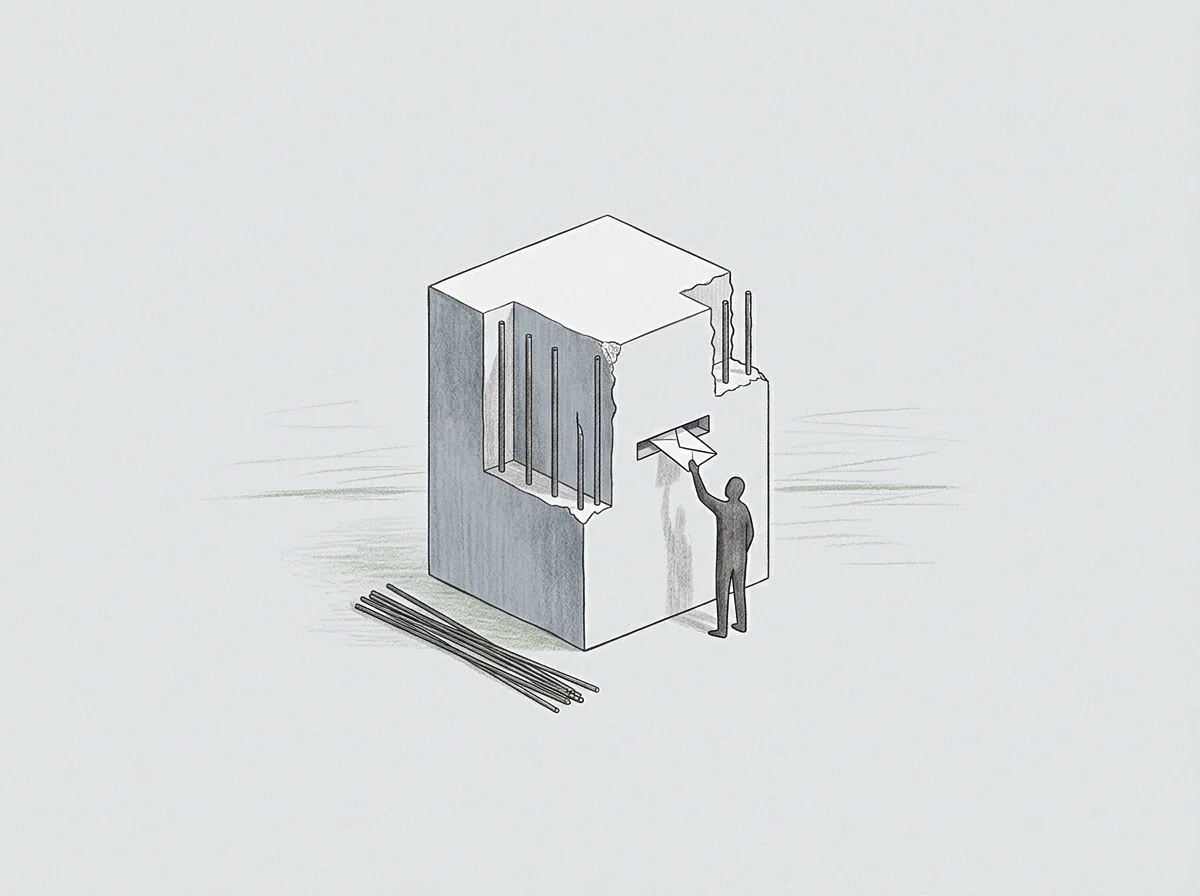
Contractual provisions designed to prevent the unintentional abandonment of legal rights or remedies due to a failure to enforce them immediately represent a standard protective mechanism in commercial agreements. An anti-waiver clause ensures that a party who overlooks a breach of contract does not forfeit the right to enforce that same obligation in the future. This mechanism establishes that any concession or delay during operations does not alter the underlying contract itself.
Contractual Safeguard
Concessions made by managers during daily operations can easily be misconstrued as permanent amendments to the written agreement. Incorporating an anti-waiver clause into the contract protects the organization from such informal modifications. This provision requires any permanent shift in obligations to be executed through a formal, signed written amendment instead of a verbal agreement.
By establishing this clear threshold, the parties maintain the integrity of their original agreement regardless of operational flexibility.
Operational Risk
Without this protective text, a company may inadvertently surrender its legal remedies through repeated tolerance of late payments or delayed deliveries. When a founder fails to act on a breach, the counterparty might claim that the requirement has been permanently abandoned. This lack of enforcement creates an implied pattern of behavior that can block future legal claims.
Establishing a policy of formal notifications for every delay, even when the underlying obligation is not enforced immediately, prevents the loss of remedies. For example, if a supplier consistently delivers components three days late without receiving a formal protest, the recipient might lose the right to demand on-time delivery under the original schedule. The counterparty can argue that the silence established a new operational baseline that replaces the written delivery schedule.
Documentary Utility
Documenting all commercial concessions remains necessary even when these protective provisions are present in the text. An anti-waiver clause functions as a shield during disputes but does not eliminate the need for clear written records of operational deviations. These logs must specify that any temporary accommodation is a one-time variance rather than a perpetual right.
This ongoing documentation provides the clear proof required to counter any claim of estoppel during contract disputes.