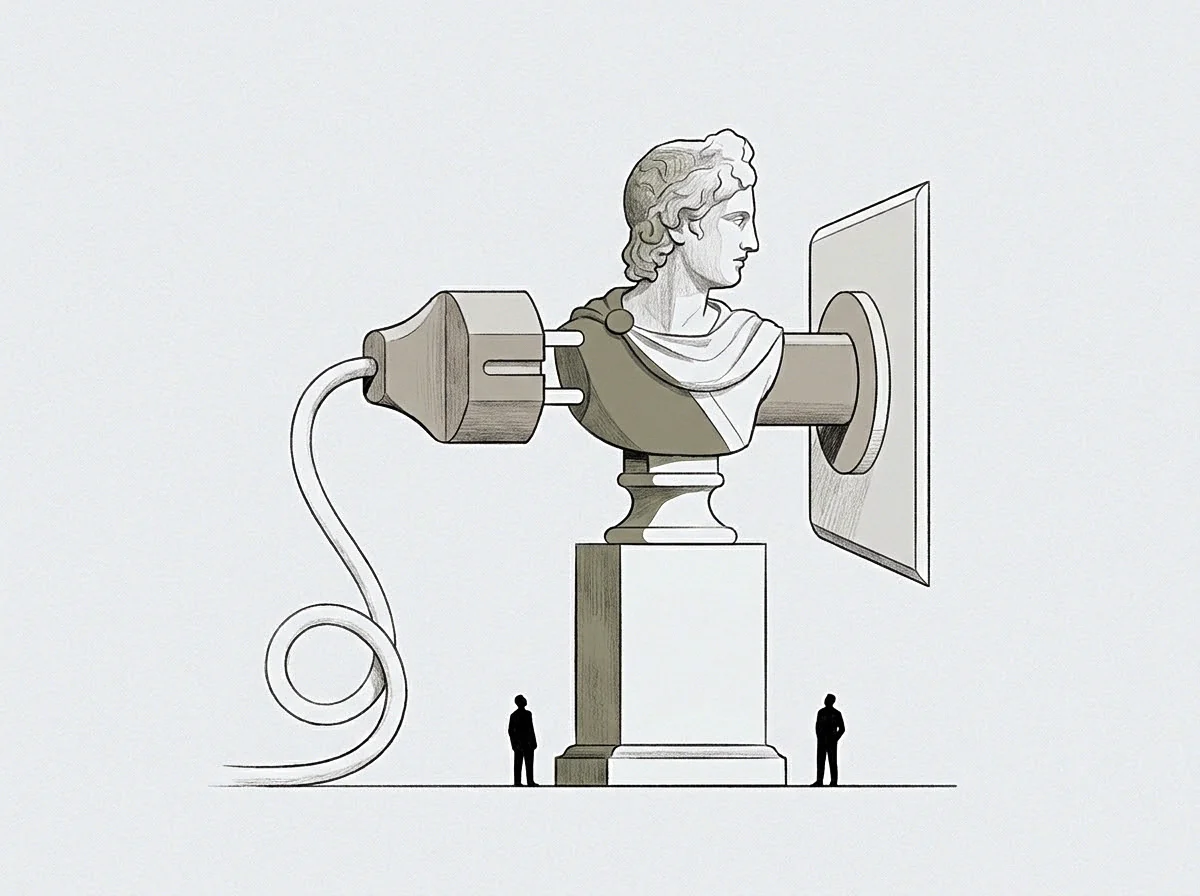
Meaning
A gradual divergence of system metrics or operational behaviors from an established standard over time. In organizations undergoing structural changes, baseline drift occurs as small, uncoordinated adjustments to processes accumulate. These slow shifts eventually result in a workflow that looks entirely different from the original design.
Measurement Control
Regular audits must be conducted against initial specifications to identify these deviations before they create operational issues. While a single minor alteration seems harmless, the cumulative effect of baseline drift can undermine the integrity of the entire data pipeline. Organizations must use automated tracking to monitor these changes continuously.
Operational Integrity
Discrepancies between historical benchmarks and current performance emerge when the comparison metrics themselves are allowed to fluctuate. When the benchmark moves unnoticed, the validity of performance reports decreases because the starting point is no longer fixed. Founders who leave a company often find that their original operational models have been modified beyond recognition because nobody maintained the initial settings.
This erosion of standards occurs slowly and remains invisible until a major system failure prompts a deep audit.
Prevention Strategy
To prevent this erosion, teams must lock the primary specifications and restrict edit permissions to a small group of senior engineers. This restriction ensures that any changes must undergo a formal review process. Clear version control is the primary defense against undocumented modifications.