Meaning
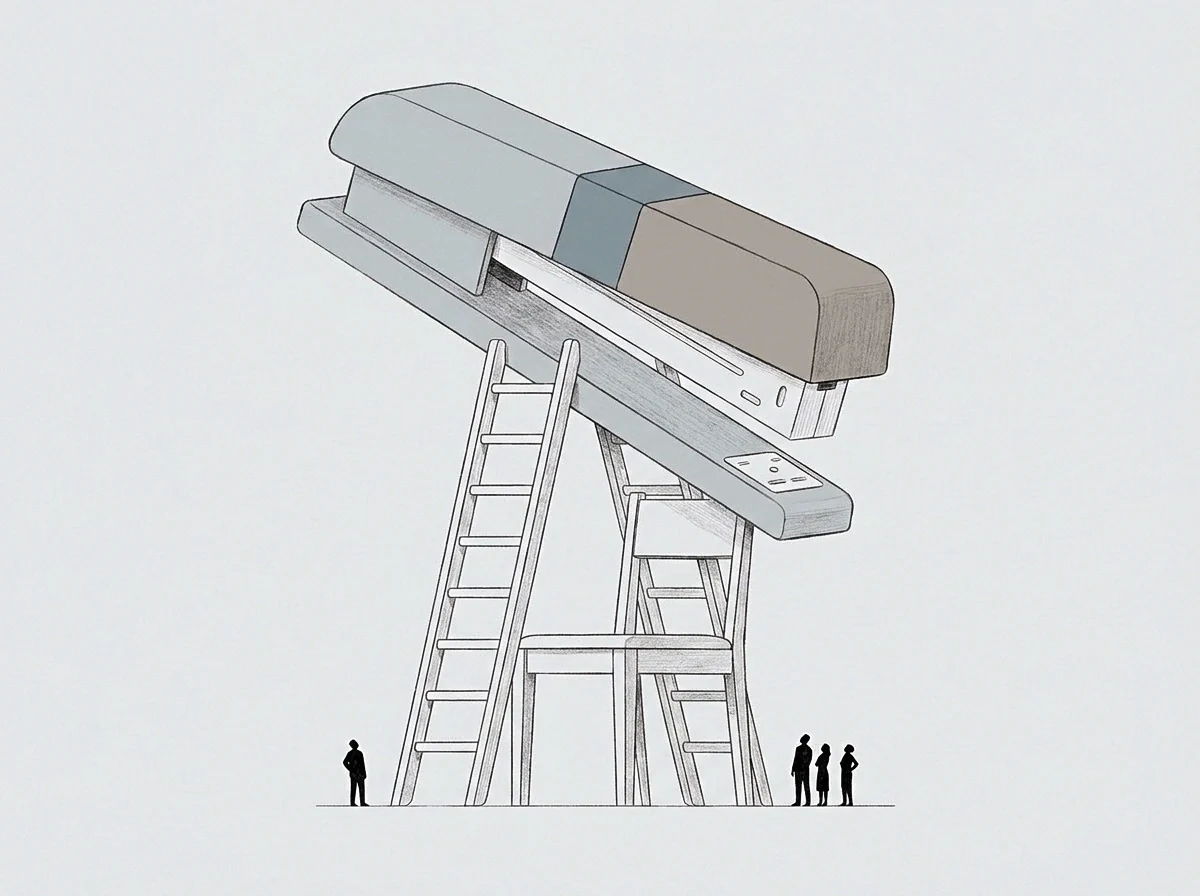
The accumulation of administrative delays, negotiation hurdles, and procedural inefficiencies slows the progress of a corporate transaction toward its final signing. In transaction environments, deal friction arises from misaligned terms, incomplete documentation, and prolonged due diligence processes. It represents a major risk to transaction completion by extending the period of vulnerability to market shifts.
Communication Gap
Divergent expectations between the buying and selling parties regarding the future direction of the business often generate prolonged debates over protective covenants. When negotiators rely on memory rather than documented board minutes, they create disagreements that require legal intervention to resolve. This lack of alignment slows down the drafting of the definitive agreements.
Financial Expense
Retaining specialized legal and financial advisory teams for an extended period increases the overall cost of the transaction. Every additional draft of the purchase agreement and each extra negotiation session adds billed hours to the final invoice. If the transaction eventually fails, these accumulated fees represent a total loss of corporate capital.
Operational Delay
Diverting executive attention from daily business management to resolve unresolved diligence queries harms the company’s performance during the closing window. Founders who spend their days searching for historic contracts cannot focus on meeting quarterly sales targets or supporting product development. This decline in performance can lead to a reassessment of the purchase price by the acquirer.
Thus, the indirect cost of these negotiations is often higher than the direct advisory fees themselves, as a distracted management team allows competitors to capture market share.