Meaning
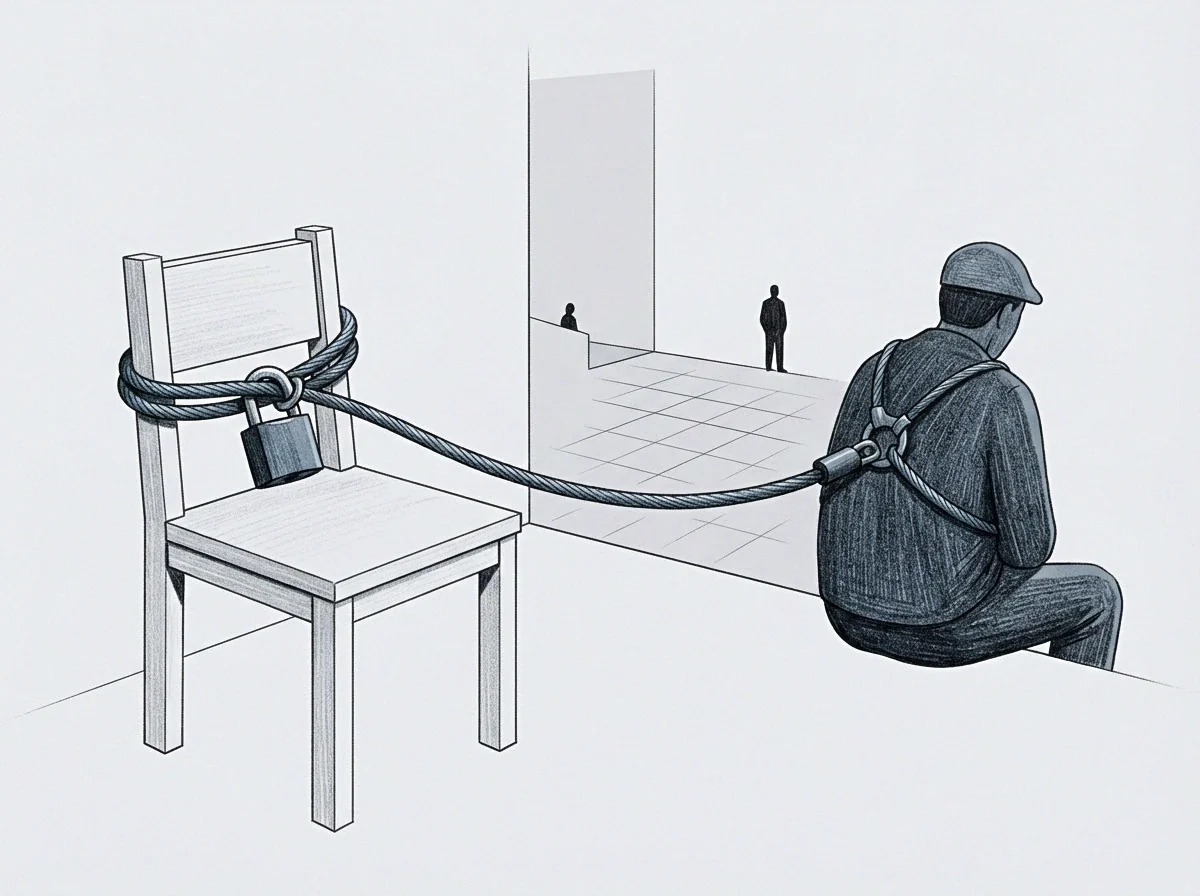
An informal coalition of individuals within a firm who execute tasks outside the official chain of command. A dirty team coordinates covert projects or rapid adjustments to established operational protocols to bypass bureaucratic friction. This configuration provides agility when the formal structure lacks the speed to handle unforeseen requirements.
These actors ignore internal rules to force a result, operating in the blind spots of the established management hierarchy.
Procedural Risk
Decisions made by this unit often lack documentation in the standard repository. Each deviation creates a history that the official logs fail to track, which complicates future audits or structural transitions. Managers cannot replicate these actions later because the logic remains localized to the participants.
Capacity Impact
Hours spent by employees on these unofficial tasks drain the attention available for primary mandates. A founder notes that productivity drops in authorized channels when staff divert energy toward work that remains hidden from the central planning board. Persistent reliance on these groups masks systematic failures in the organizational design.
Structural Boundary
Existence of this arrangement indicates a breakdown in the communication flow between the leadership and the implementation layers. Organizations stop relying on the practice as soon as the formal systems handle incoming changes without significant delay. Efficiency gains from these units remain temporary because the lack of institutional memory prevents long term scaling.