Meaning
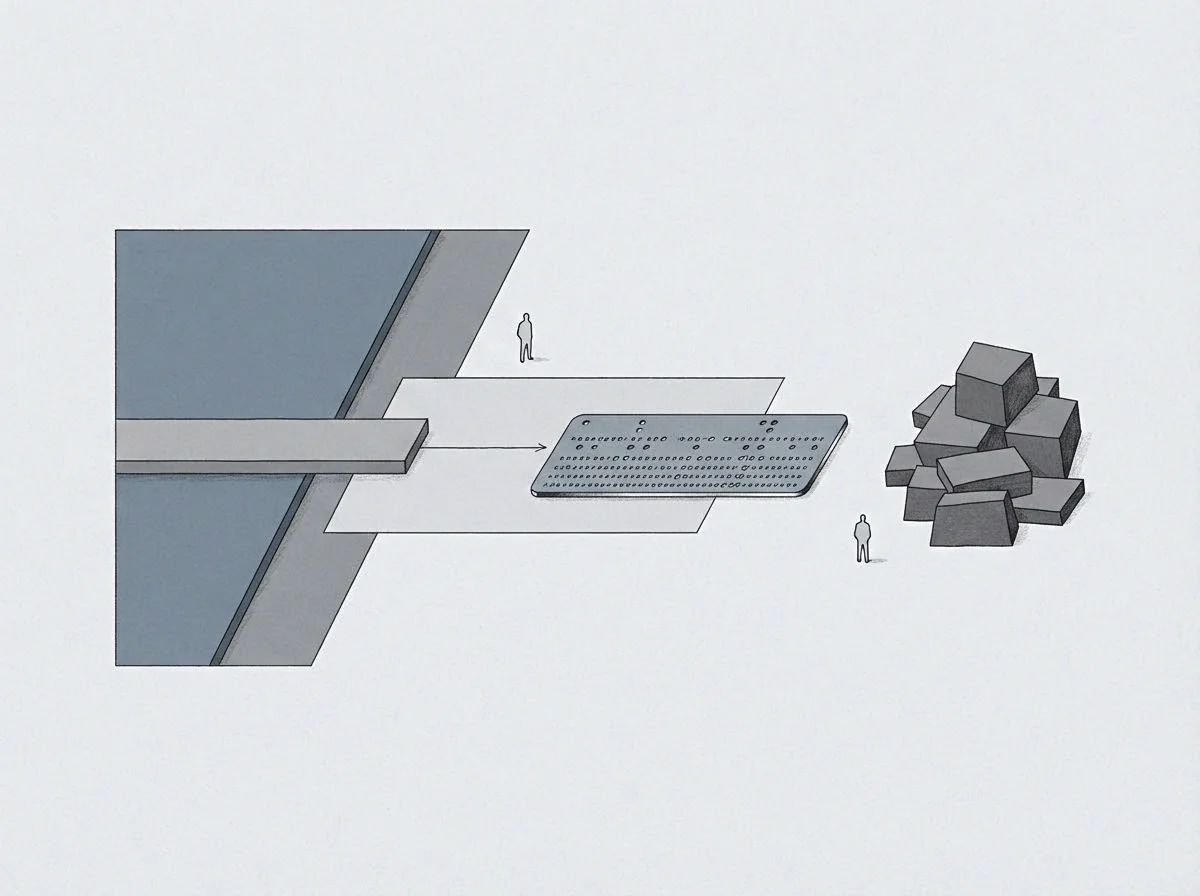
Work units performed for a client that have not yet been translated into a formal invoice represent a hidden financial asset or liability. Unbilled scope often arises when a project moves faster than the administrative staff can track, especially in environments where technical teams prioritize the completion of complex tasks over the immediate logging of hours or materials. This gap in the record can lead to lost revenue if it is not captured and billed before a contract ends.
It stops being a concern once the work is either written off or a bill is issued.
Tracking Difficulty
Capturing every hour or resource spent on a project requires a disciplined reporting culture. Operational exposure tends to accumulate in the spaces between official milestones where work is done but not recorded. If a founder does not have a system for flagging these extras, the cost of the work is borne entirely by the company.
Revenue Recovery
Converting these hidden efforts into cash requires a clear link between the work done and the contract terms. The recovery threshold is met only when work is documented with enough detail to justify the charge to the client. Without such evidence, the request for payment is likely to be rejected as a late addition.
Risk Management
Large amounts of work sitting outside the billing cycle create a significant risk for a small business. A record gap creates a significant risk and ties up resources. Managing this gap is a survival skill for anyone who has moved from building a product to managing a professional relationship.