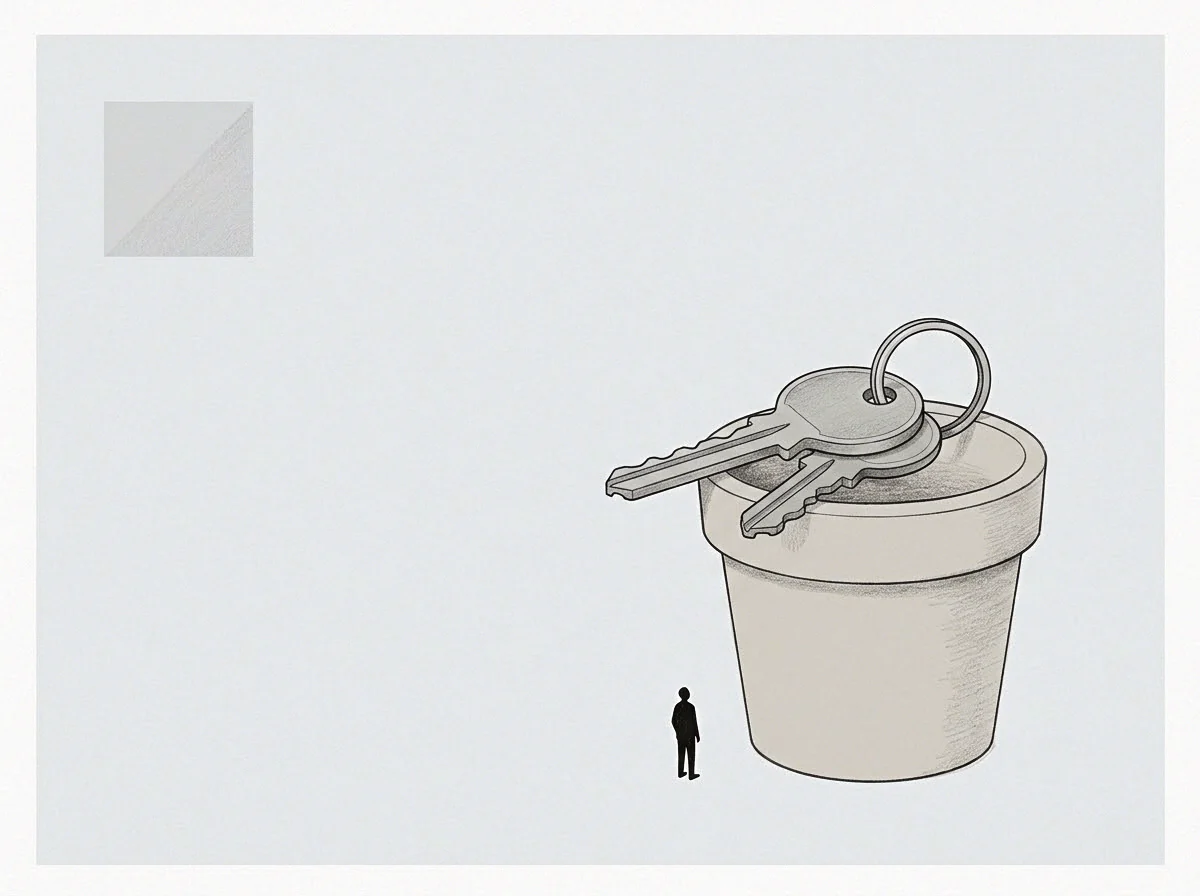
Meaning
Security architecture regulates who can view or use resources in a computing environment. Effective access control ensures that sensitive data and critical systems remain available to authorized personnel while excluding unverified parties. The system functions by identifying a user, verifying their identity, and checking their permissions against a central database of rights.
It governs physical entries, digital files, remote servers, and network segments.
Governance Protocol
Standard procedures determine how permissions are assigned and revoked during the lifecycle of an employee or contractor. Within a typical framework for access control, the organization defines roles that correspond to specific tasks rather than naming individuals. This method reduces the chance of human error during mass updates.
A protocol must include a schedule for reviewing existing rights to prevent the accumulation of unnecessary privileges.
Administrative Friction
Implementation of strict security measures often introduces delays in daily workflows as users wait for approval or verification steps. Managing access control requires a balance between speed and protection. When a founder departs, the cost of auditing every shared folder and database login is measured in staff hours and specialized software licenses.
Lack of preparation results in emergency lockouts that disrupt business operations. Systematic reviews are necessary to maintain safety. The burden falls on IT departments.
Residual Permission
Forgotten entries in a permissions list pose a threat after a corporate reorganization. Stale access control settings allow former employees to reach internal servers from remote locations. Removing these entries requires a comprehensive log of every system the person touched.
Failure to scrub these records results in a permanent vulnerability.