
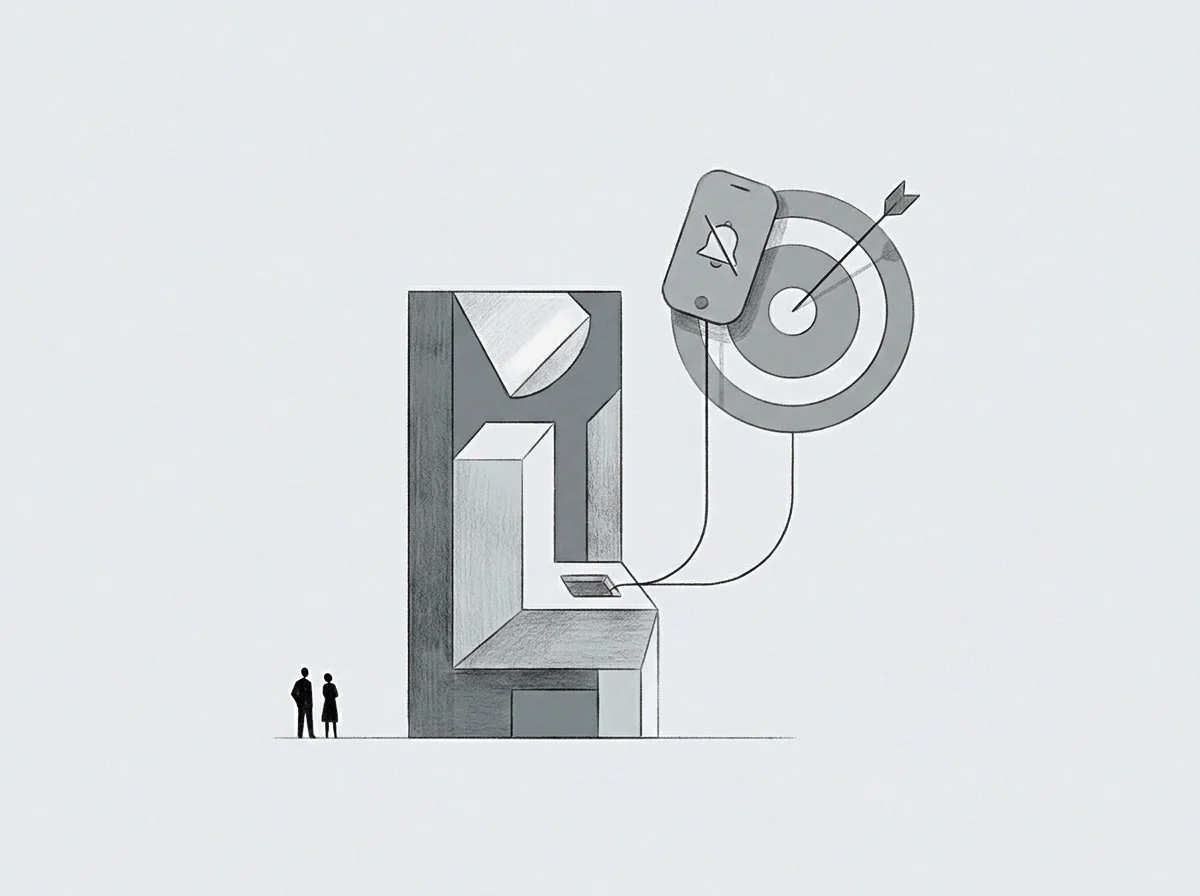
Unilateral Digital Timestamps In Commercial Contract Disputes
Unilateral digital timestamps establish data existence and state integrity at a specific moment without proving counterparty receipt or contractual assent.
Unilateral digital timestamps establish data existence and state integrity at a specific moment without proving counterparty receipt or contractual assent.

Consensus timestamps provide cryptographic proof of contract state and execution timing, defeating oral parol evidence claims under integrated contract rules.
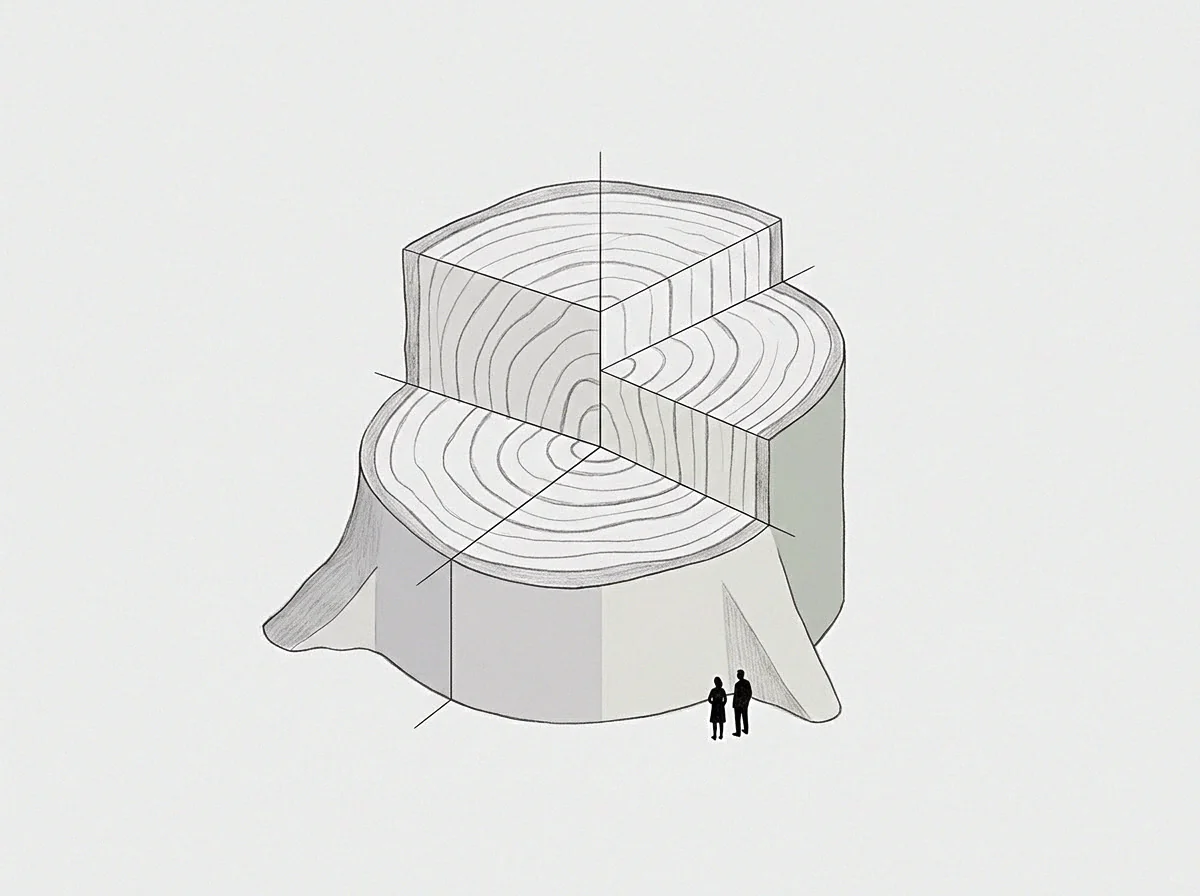
Common law parol evidence rules restrict extrinsic timestamps, while international forums evaluate metadata to establish contract integration and timing.

Translating visceral risk signals into documented terms converts subjective physiological warnings into binding contractual liability protections.
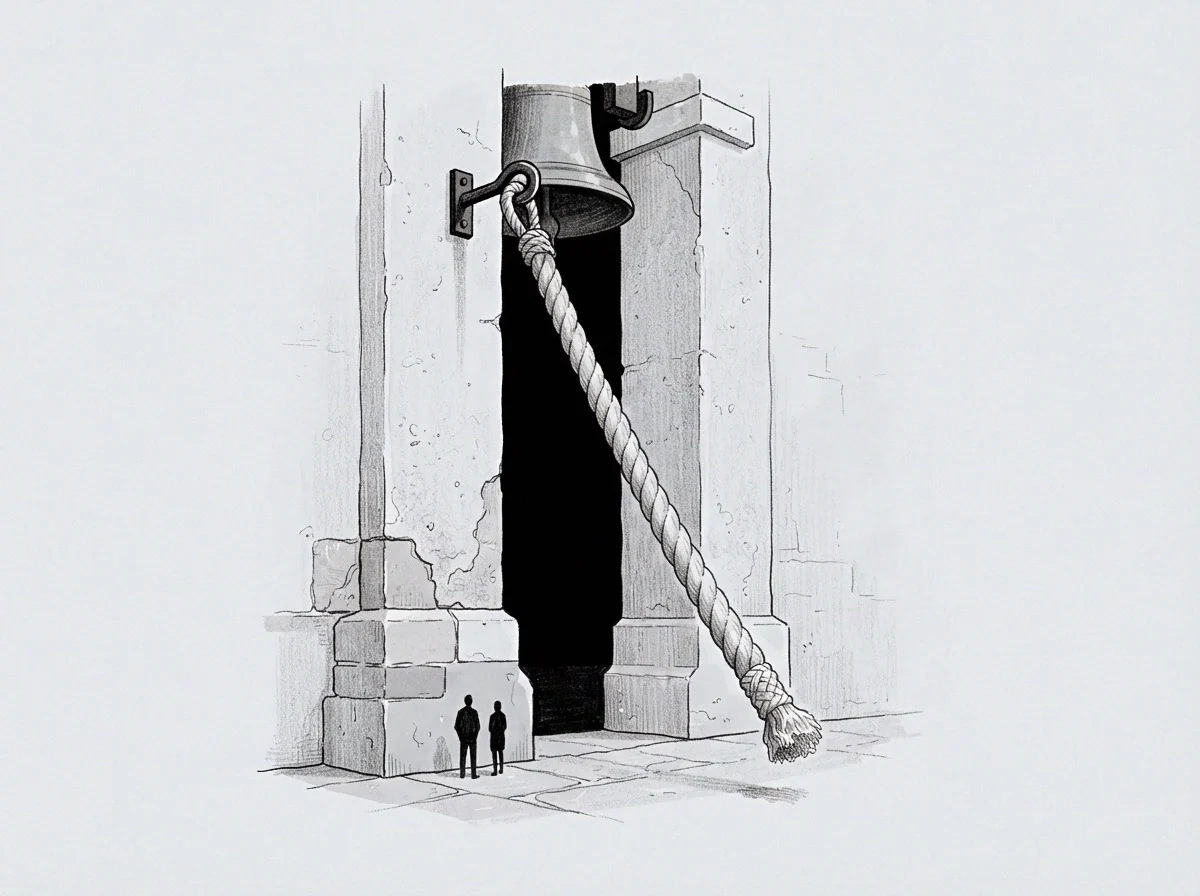
Delaware courts resolve contract ambiguity by relying on contemporaneous drafting records over post-hoc testimony to establish objective intent at execution.

Specific non-reliance contract terms defeat claims of fraudulent inducement by extinguishing reasonable reliance on contemporaneous extra-contractual evidence.

Specific disclaimers of reliance legally estop promissory fraud claims by disproving reliance on extrinsic statements regarding targeted contract terms.

Unilateral contemporaneous notes are generally excluded by bilateral contractual merger clauses unless brought under narrow exceptions like latent ambiguity or fraud.
The terms are written where they belong. Each field holds three desks, and every entry a desk writes raises the terms it uses, each term given a meaning, a mechanism and the places it appears. The record on these pages stays first person and hand made; the fields grow the nomenclature.