Meaning
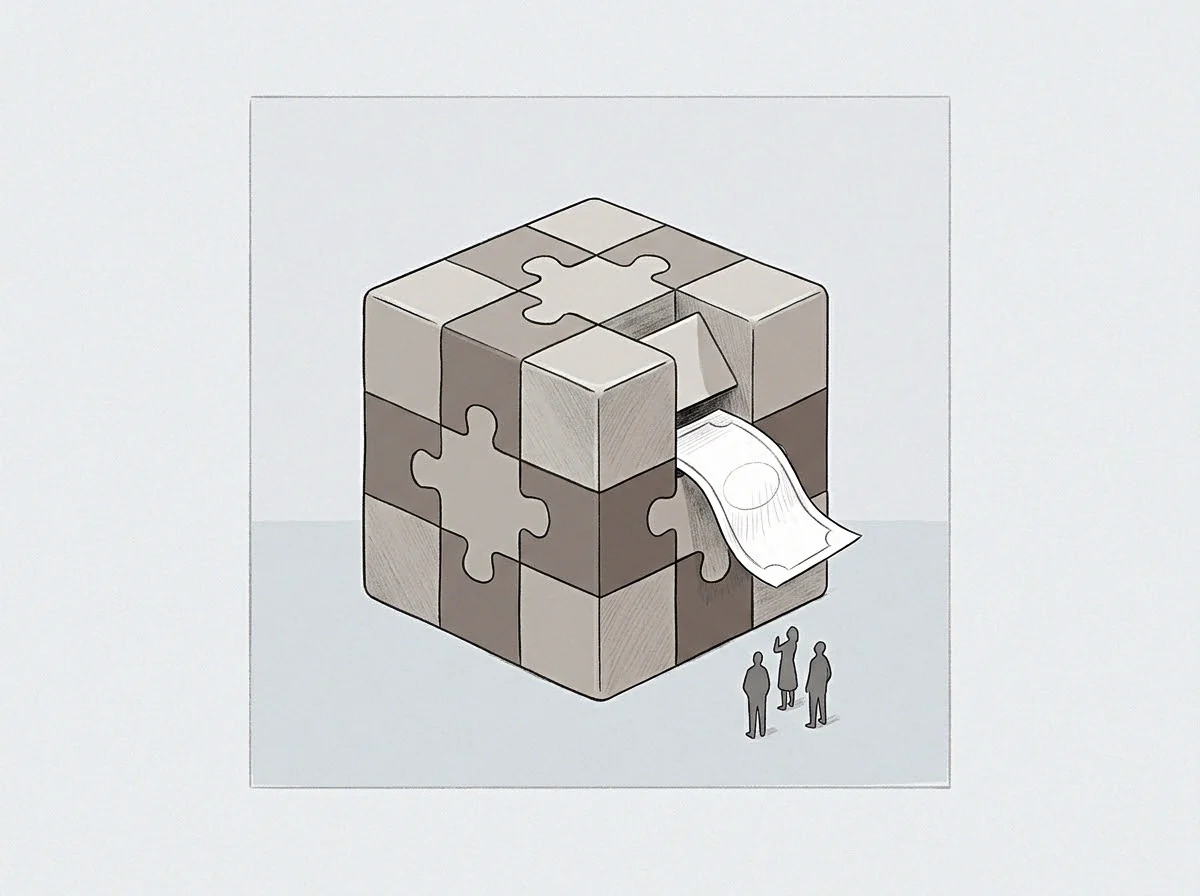
Structural paralysis occurs when two equal decision makers hold identical voting shares inside an enterprise and neither party possesses a casting vote to break a tied ballot. Corporate deadlock emerges during severe governance splits where ordinary operational resolutions fail to pass due to balanced opposition within the board. This condition freezes formal authority and stops the issuance of new corporate resolutions until external mediation or judicial dissolution intervenes.
Legal instruments often specify buy-sell clauses or forced valuation formulas to resolve such impasses without consuming excessive founder hours.
Voting Equilibrium
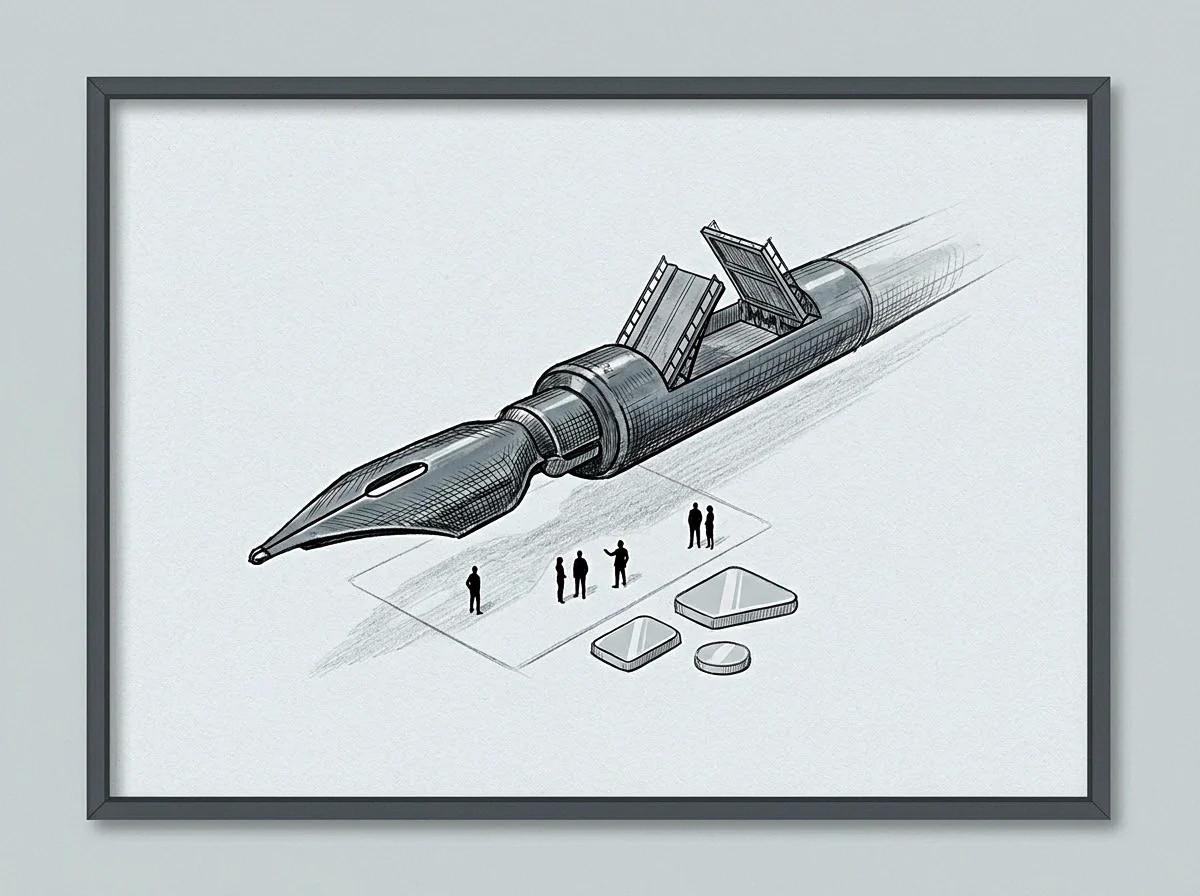
Equal division of voting power prevents either faction from overriding opposing board directives during strategic disputes. Shareholder agreements establish this symmetry specifically to protect minority founders from unilateral dilution by majority partners. Operational stability depends entirely on routine administrative consent until a substantive policy disagreement surfaces between the directors.
Decision velocity drops to zero once the board confronts a disputed expansion plan or a contested capital call.
Contractual Remedy
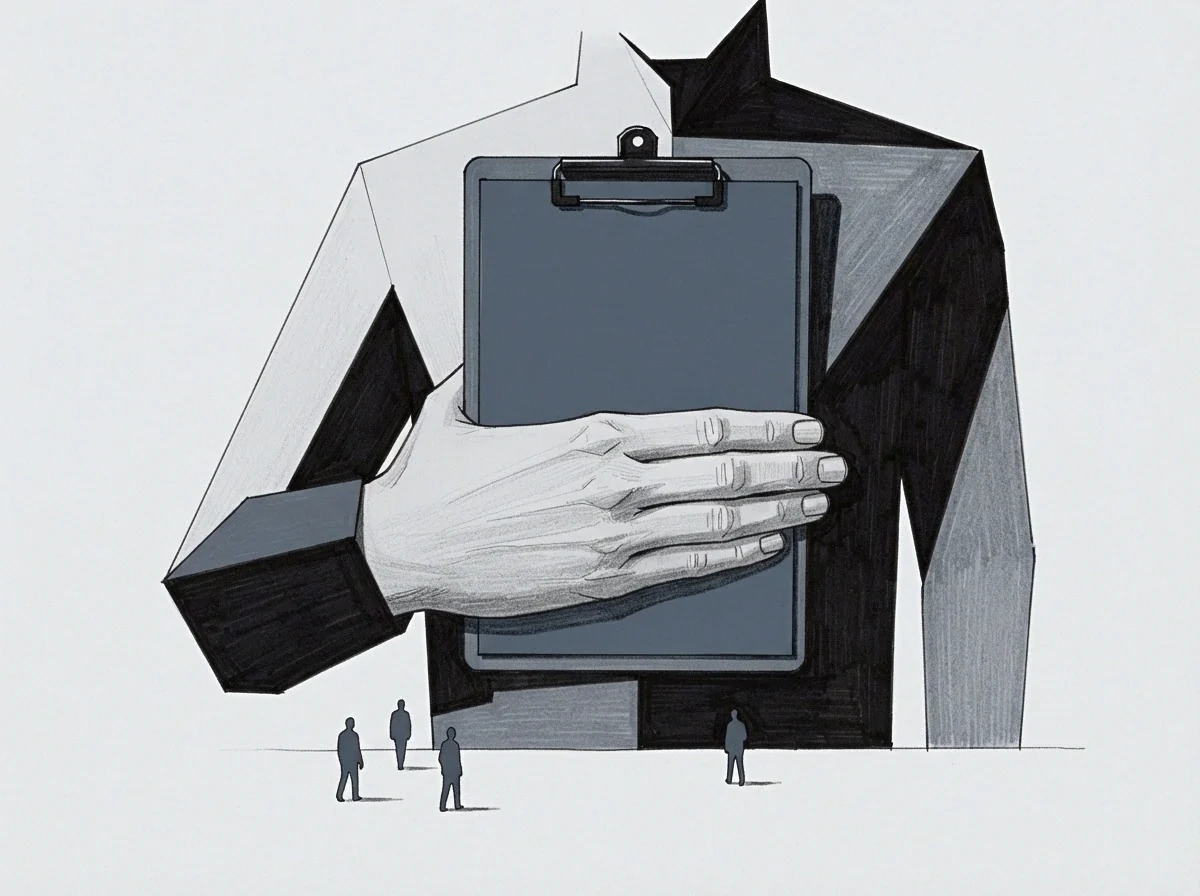
Shareholder contracts frequently incorporate predefined exit mechanisms designed to activate automatically upon the arrival of a structural standstill. Texas shootouts or binding arbitration clauses force one party to buy out the other at a self-assessed share valuation. Execution of these contractual clauses converts an indefinite administrative standoff into a rapid financial separation of the opposing founders.
Documentation requirements demand precise adherence to notice periods and valuation timelines specified in the original incorporation papers.
Operational Cost
Administrative friction consumes management attention and board resources while the enterprise remains legally incapable of executing new commercial contracts. Financial expenditure mounts rapidly when legal counsel reviews disputed governance clauses and drafts formal notice letters for opposing shareholders. Commercial partners frequently withdraw credit lines or supply agreements upon discovering that the governing board cannot pass binding resolutions.
Enterprise valuation declines steeply during prolonged standstills because prospective acquirers refuse to negotiate with a paralyzed ownership group.