Meaning
Human cognitive processing describes a mental reconstruction of past events that reconstructs occurrences without the anchor of contemporaneous physical logs. Such subjective recall creates a personalized version of history that varies from the documented reality established by original contracts or dated entries. This variance occurs because the mind selects features that support present psychological alignment rather than preserving the cold accuracy of the event as it happened.
Evidential Limitation
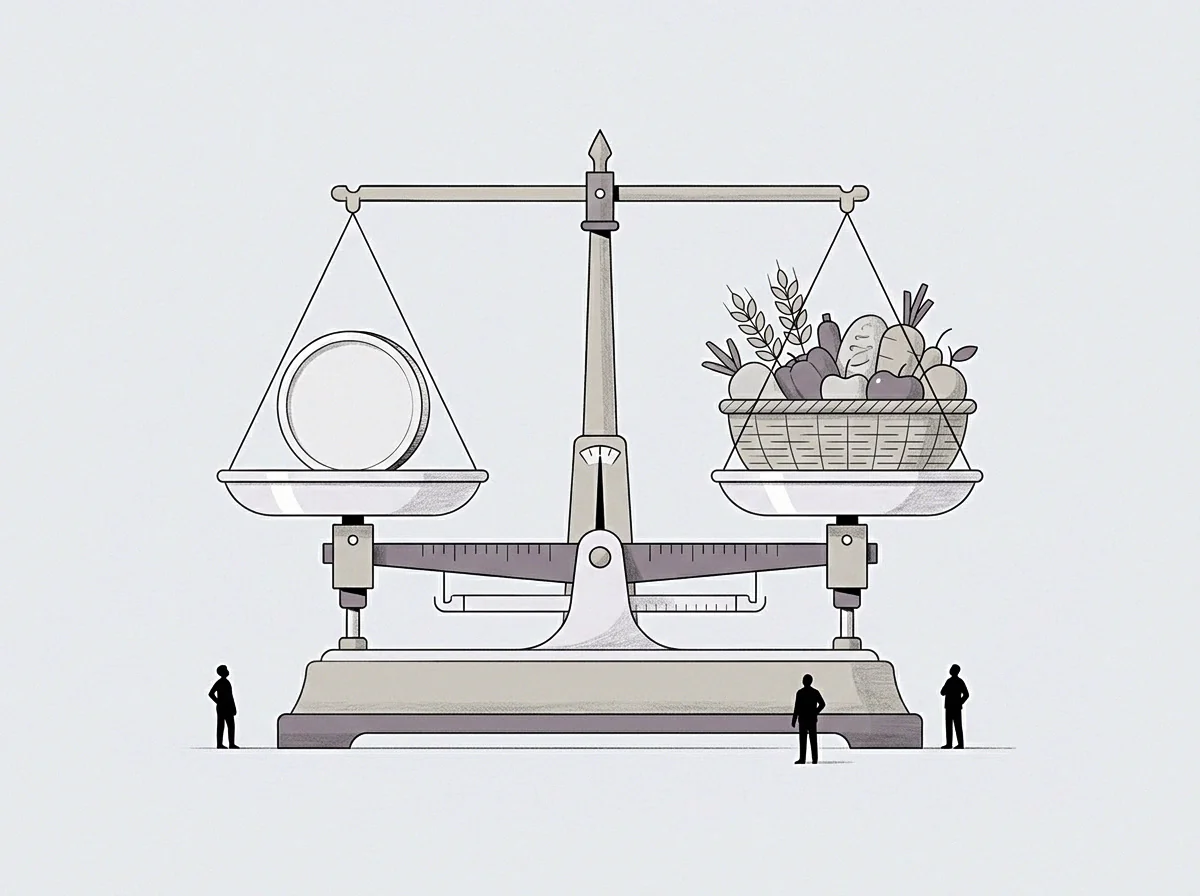
Legal disputes frequently highlight the friction between these mental narratives and hard data. A written agreement remains fixed, whereas an internal account shifts to accommodate the needs of a subsequent position. Founders who rely upon internal memory to defend a claim find the utility of their testimony reduced when confronted by external records.
Documentary Risk
Failure to maintain logs forces reliance on this imprecise faculty when internal arguments arise regarding equity or past decisions. A reliance on mental accounts requires significant capacity to track multiple versions of events across partners.
Systemic Cost
Maintaining this internal mode of reference demands heavy hours of reconciliation when evidence must be presented to third parties. Organizations that prioritize memory over archived communication suffer from higher friction in internal operations. The lack of documented proof leaves claims open to contradiction by any person holding a dated file.