Meaning
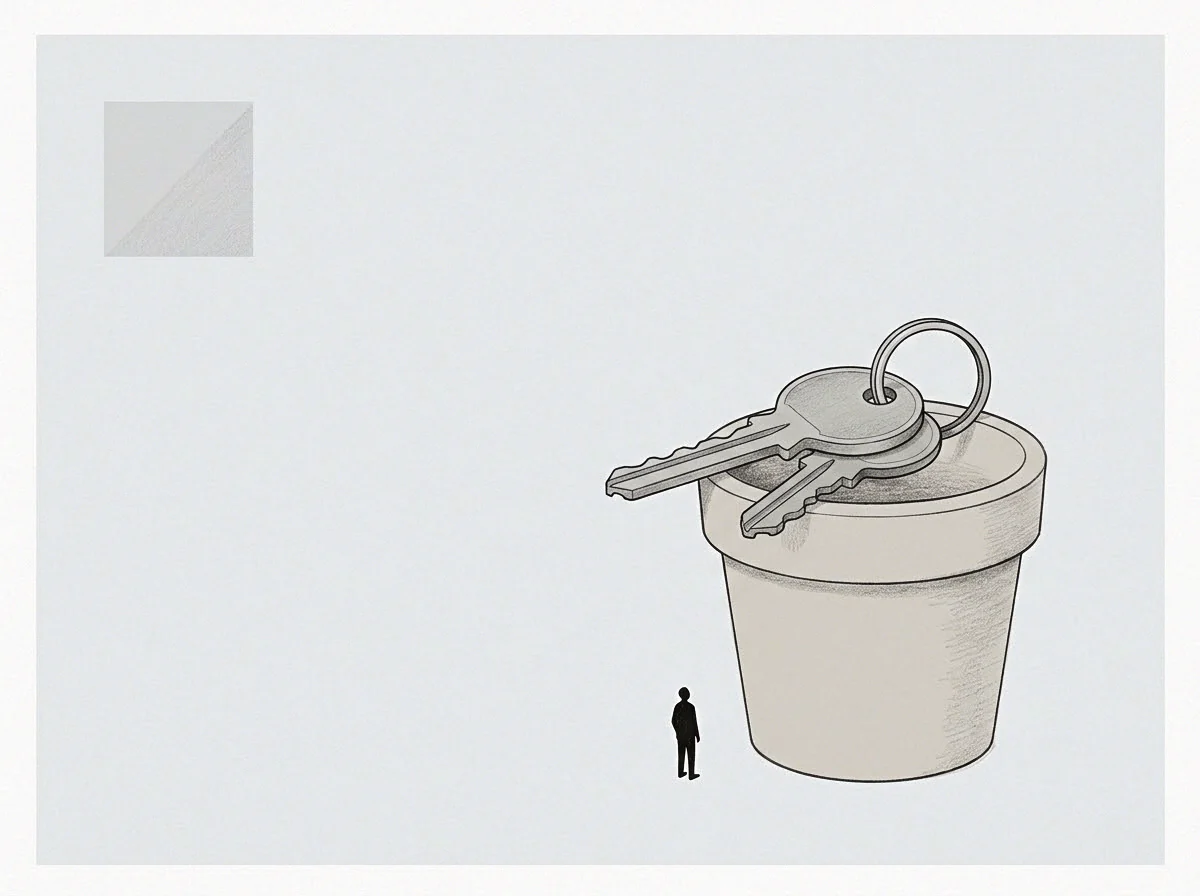
A structural dependency exists where a system design relies on a specific proprietary provider for ongoing operations or future development. Vendor lock happens when migration costs exceed the value of switching to an alternative solution. This state creates a barrier to portability because the integrated software, hardware or protocol lacks interoperability with external environments.
Operational Penalty
Rigid infrastructure reduces the capacity of a firm to respond to market shifts or price volatility. Technical staff spend limited hours maintaining compatibility with closed interfaces instead of building core features. Such constraints force an organization to accept the service conditions and feature updates imposed by the original provider without individual negotiation.
Exit Difficulty
Disentangling data from proprietary silos requires substantial capital and specialized labor. A transition process involves mapping schemas to new formats while maintaining business continuity. Unexpected downtime represents a probability during this phase because internal teams lack prior knowledge of the target environment.
Documentation gaps further complicate the extraction of records.
Contractual Influence
Legal agreements often formalize this dependency through early termination fees or restrictive intellectual property clauses. These terms bind a firm to a platform for a set duration regardless of changing performance requirements. Legal counsel assesses these obligations against the benefit of platform access before an arrangement receives authorization.
Such conditions define the financial ceiling for leaving a system.