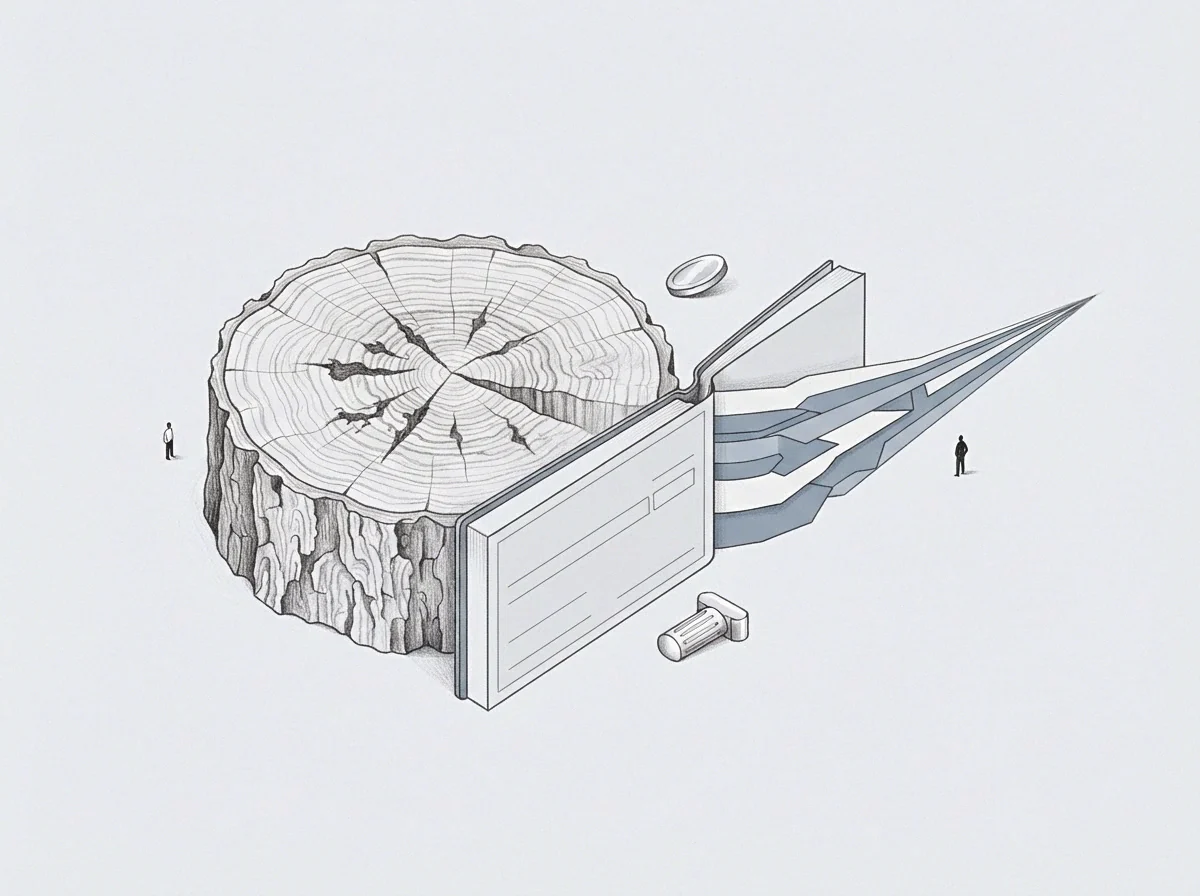
Meaning
Contentious disagreement arises when two or more parties claim title to the same equity, physical assets, customer lists or intellectual property. An ownership dispute typically occurs between founders, investors or early employees who disagree over the distribution of shares. These conflicts often stem from unrecorded handshakes or vague early-stage agreements.
Conflict Origin
Unclear documentation creates the space for competing claims. The start of an ownership dispute is often traced back to the first year of a company when formal records were seen as a distraction. As the value of the business grows, the cost of this lack of clarity increases.
Friction builds.
Evidence Requirement
Written proof determines the outcome of the fight. Resolving an ownership dispute relies on the production of signed stock purchase agreements and board minutes. If only memories exist, the case becomes a matter of credibility which is expensive to litigate.
A dated record of the cap table is the best defense against a false claim. The presence of a single signed document can end a multi-year conflict by providing an objective truth that the court must follow. Documentation wins.
Binding Settlement
Resolution mechanisms define the final distribution of the asset. An ownership dispute ends when the parties sign a release or a judge issues a final order. Clear ownership is a prerequisite for any exit.