
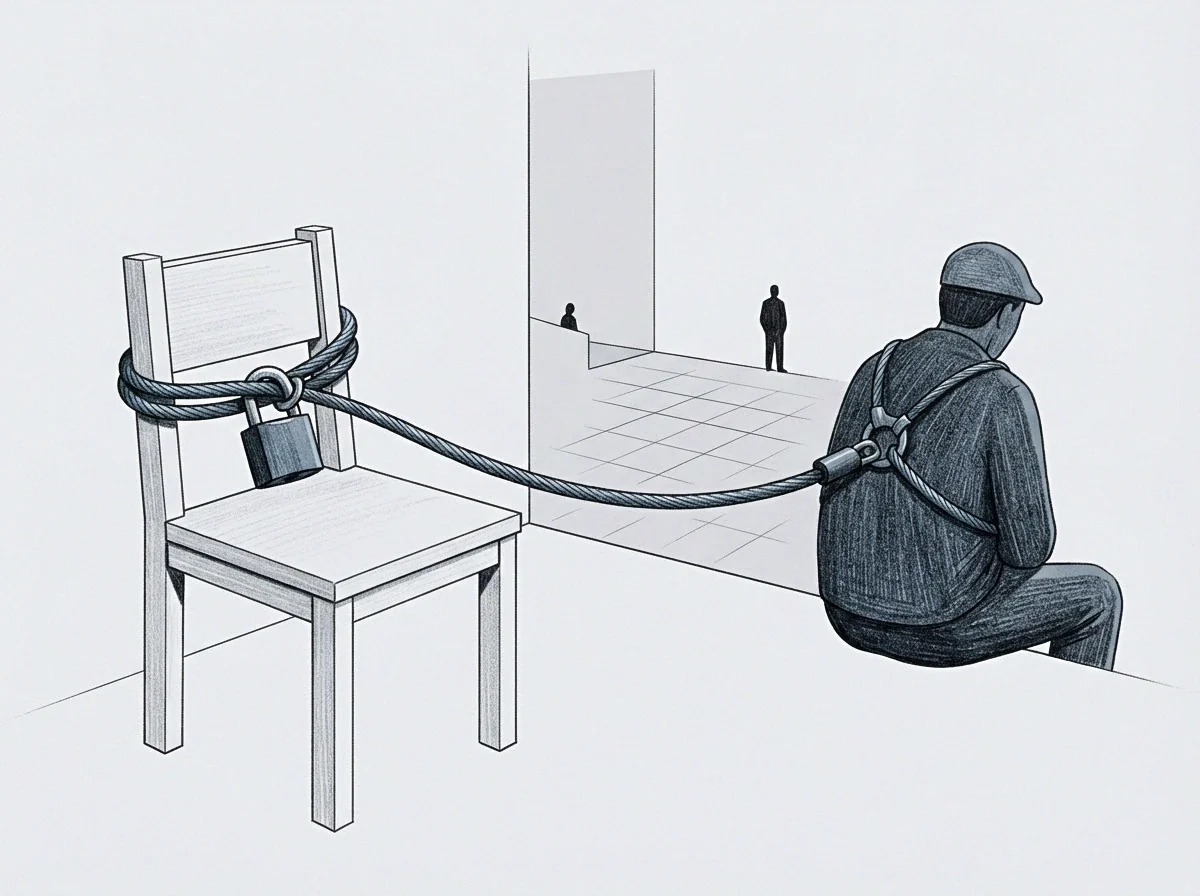
A Claim With No Ground Under It
An unfounded claim distributes all operational risk to the executing party while a written instrument anchors legal ownership through verifiable terms.
An unfounded claim distributes all operational risk to the executing party while a written instrument anchors legal ownership through verifiable terms.

Oral equity claims lack structural ground without written board authorization, leaving unpapered builders exposed to total ownership forfeiture.

Contractual standing requires executed corporate instruments approved by authorized board resolutions prior to service deployment.

Historical unrecorded equity commitments convert into personal founder indemnities during late stage diligence unless resolved through executed releases.

Early founder conversations create legally binding terms only when written assent, definite material terms, immediate consideration, and objective mutual intent converge.

Enforcing informal equity promises requires written corroboration, documented forgone compensation, and clear proof that non-enforcement creates unconscionable harm.

Unexecuted equity agreements convert irreversible builder time into uncompensated corporate assets, shifting leverage to the paper holder until audited.

Equity grants require an existing corporate charter, board consent, and unissued authorized shares before service entry creates valid ownership.

Early stage equity enforceability requires definite written terms, valid statutory consideration, board authorization, and explicit integration clauses.

Unregistered venture labor allocations retain individual author IP ownership and statutory partnership profit splits absent written assignment agreements.

Early informal equity commitments resolve through structured cap table audits, formal separation agreements, cash buyouts, and binding general releases.

Enterprise acquisitions require target boards to extinguish unrecorded cap table claims using explicit release agreements or seller-funded escrow holdbacks.

Extinguishing latent oral equity claims requires executing binding written releases and clear representations prior to institutional funding or transaction closure.

Oral equity commitments require definite terms, mutual assent, and consideration to overcome evidentiary bars under statute of frauds and vagueness doctrines.

Contemporaneous digital communications provide immutable chronological evidence of mutual assent, superseding reconstructed recollections in founder equity disputes.

Unstructured co-founder partial performance creates implied partnership liability that converts to debt through formal valuation and cash settlement.

Promissory estoppel enforces unwritten equity promises when reasonable reliance on an unambiguous promise causes demonstrable, uncompensated economic detriment.

Informal equity claims fail without documentary proof that uncompensated work was performed in reliance on specific promised ownership terms.

Reliance damages restore historical costs and forgone market wages, whereas specific equity enforcement awards projected valuation of unissued venture shares.

Uncompensated builder labor is quantified through market replacement cost, convertible deferred wage notes, and contemporaneous milestone tracking.

Oral equity claims fail without definitive terms, corroborating conduct, or written evidence overriding statutory fraud bars.

Unexecuted founder agreements leave statutory copyright with individual authors, encumbering corporate technology title until cleared by assignment or clean refactoring.

Equity validity depends on active state corporate standing, strict board consent compliance, and share counts remaining inside charter limit caps.

An audit of unreserved charter shares prevents ultra vires share promises in service agreements by establishing statutory issuing capacity before execution.

Service providers recover deferred compensation by asserting joint personal promoter liability and restitution against individuals who conceal unfiled charters.

Oral equity commitments fail under corporate formality standards unless supported by contemporaneous records or board ratification, converting share claims into monetary restitution.

A capitalization table requires valid board resolutions and executed stock purchase agreements to legally enforce share ownership and repurchase rights.

Institutional venture financing resolves unrecorded equity claims through audited diligence, formal releases, and special indemnities that protect incoming capital.

Unregistered co-founders default to general partnership liability and split profits equally while individual contributors retain personal ownership of authored code.

Contemporaneous digital messages reconstruct verbal equity promises by establishing written timelines, mutual intent, and explicit reliance before legal disputes arise.
The terms are written where they belong. Each field holds three desks, and every entry a desk writes raises the terms it uses, each term given a meaning, a mechanism and the places it appears. The record on these pages stays first person and hand made; the fields grow the nomenclature.