Meaning
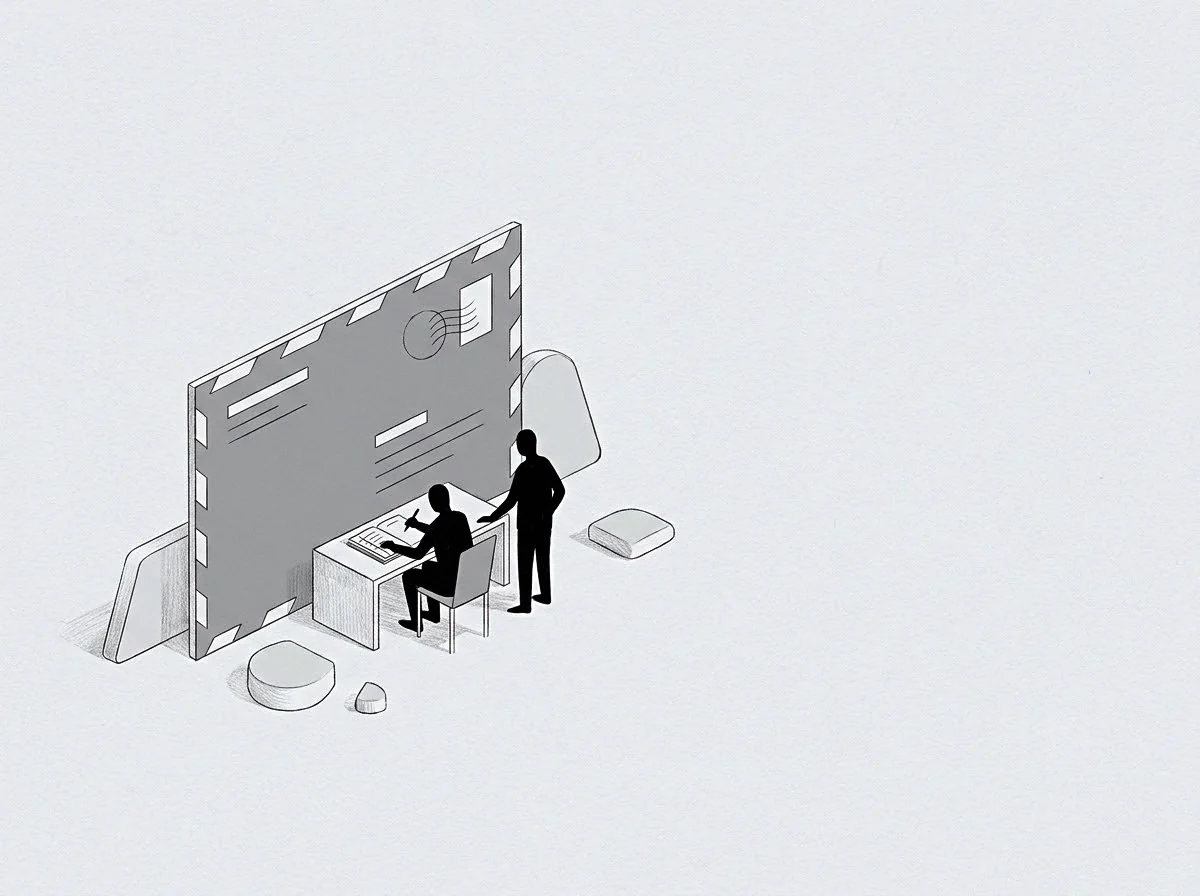
Formal control systems define the power and accountability structures within a legal entity. Corporate governance functions as a set of protocols determining how a board of directors and executive leadership interact to protect shareholder interests. These rules establish oversight, transparency, and accountability for the distribution of rights and responsibilities.
The arrangement applies to any organization where decision-making power resides with someone other than the primary owners of the capital.
Directional Oversight
Boards of directors define the scope of authority granted to the executive team through written charters and committee bylaws. Such documents map the boundary between operational freedom and the requirement for shareholder approval on significant financial decisions. High performance requires clear lines of communication between the management team and the external auditors.
Clear documentation prevents the abuse of authority and limits the risk of hidden liabilities appearing after a fiscal year concludes.
Liability Mitigation
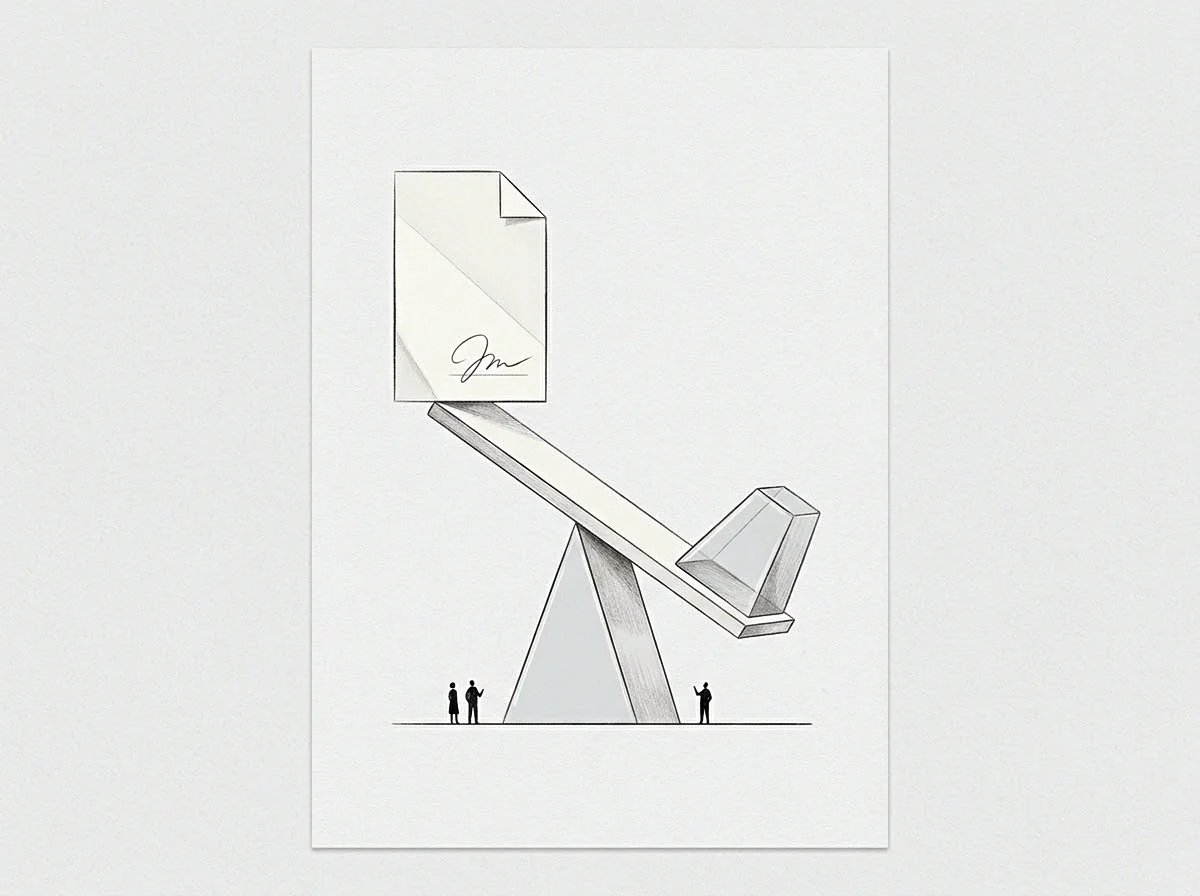
Regulatory compliance creates a defensive record that shields the organization from litigation and internal mismanagement claims. A firm adheres to these standards to prove that choices align with legal mandates rather than personal interest. Written proof of compliance during a board meeting helps define the difference between a breach of duty and an unfortunate business outcome.
Records of votes and committee actions survive long after individual directors leave their seats.
Capital Stability
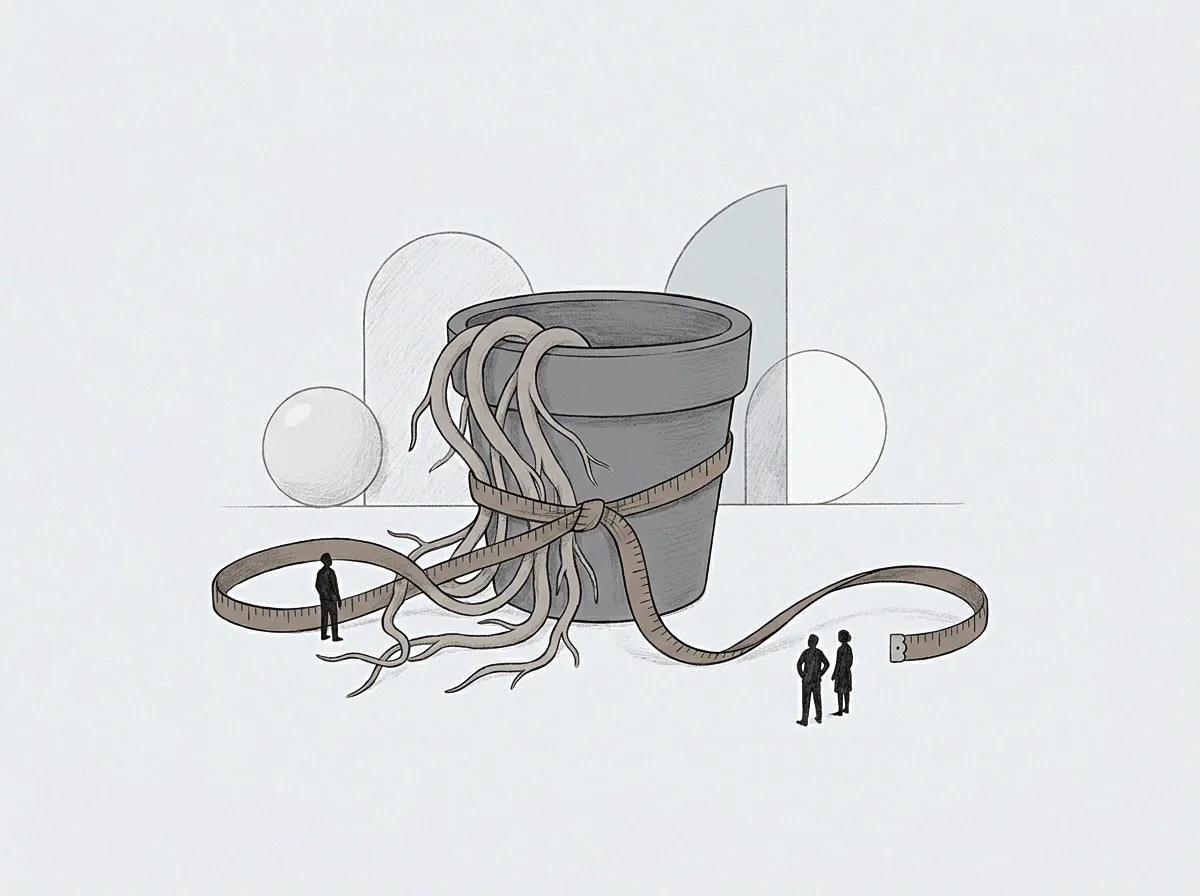
Institutional investors demand evidence of specific procedures before they commit resources to a venture. These entities require certainty that the management team operates within established boundaries of risk and fiscal discipline. A structure for oversight minimizes the possibility of errors that might otherwise sink the firm during a cycle of expansion.
Predictable reporting lines sustain investor confidence by showing that internal checks prevent the accumulation of unaccounted debt. Success depends on the ability of the firm to maintain these protocols through transitions in leadership.