
Verifying Inception Dates For Early Founder Equity Notes
Verifying inception dates requires aligning corporate resolutions, bank settlement records, and digital timestamps to establish legally enforceable effective dates.
Verifying inception dates requires aligning corporate resolutions, bank settlement records, and digital timestamps to establish legally enforceable effective dates.
Converting subjective risk perception into enforcement triggers fails when unobservable operational decay cannot be verified by neutral third parties without proxy distortion.
Enterprise operational anomalies translate into legal terms by mapping unwritten manual workarounds directly to quantified service latency and credit triggers.
The autonomic nervous system flags commercial exposure, which becomes legally durable only through contemporaneous, dated written documentation.

Contemporaneous cryptographic logging anchors commercial agreements before acute stress physiology warps episodic recall into divergent accounts.

Contemporaneous records neutralize cognitive drift by fixing verbal terms into dated, unadjustable artifacts before subjective memory alters past consensus.
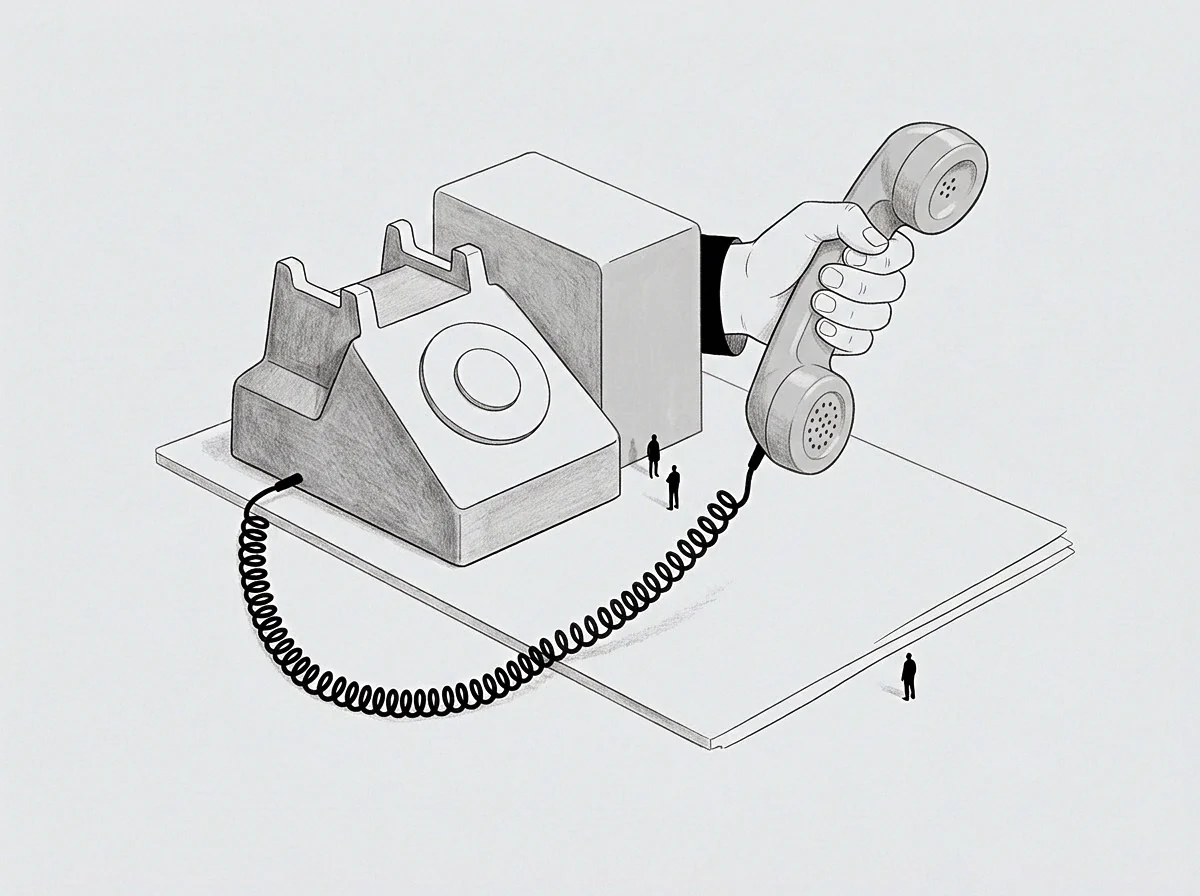
Pre-verbal risk protocols convert physical and temporal negotiation cues into dated observational records that prevent selective memory from masking deal decay.
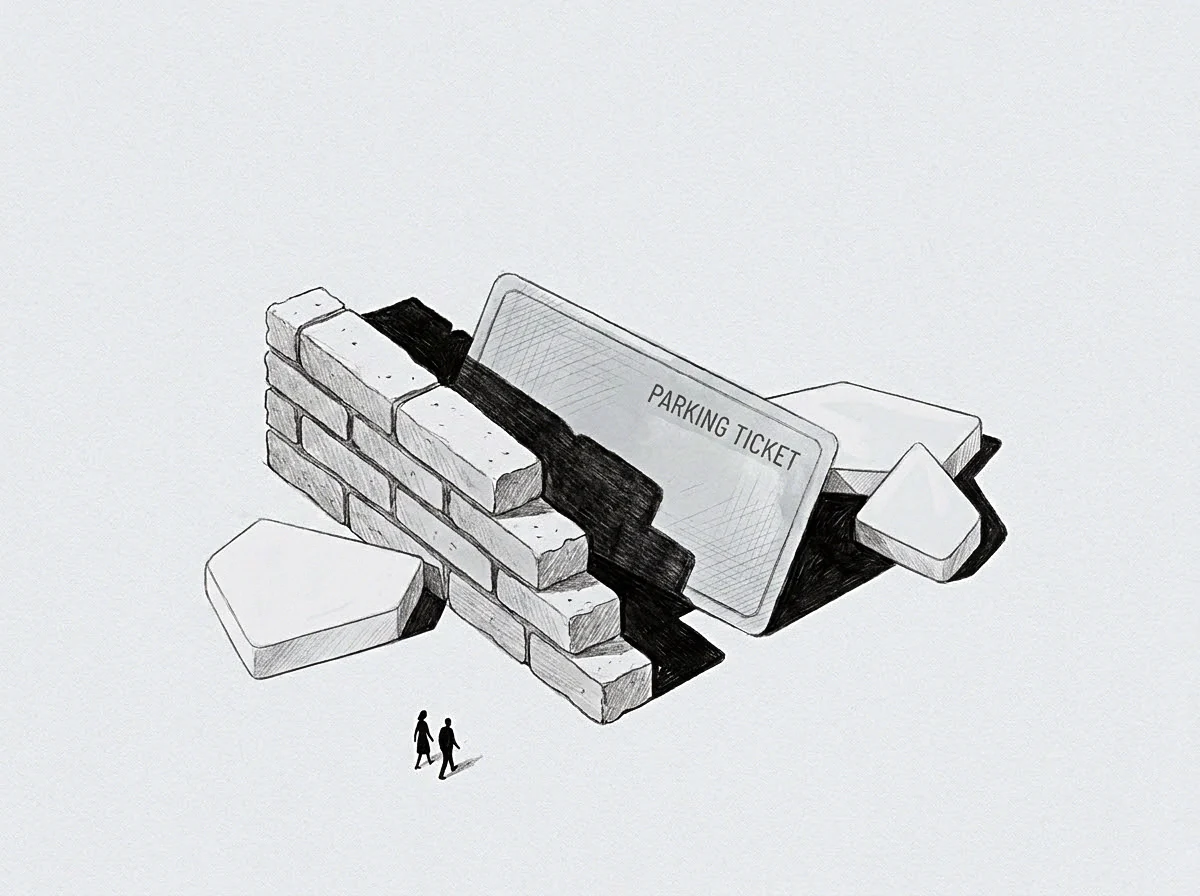
Subjective founder hesitation converts into durable operational service agreements by translating somatic discomfort into verifiable, time-stamped metric thresholds.

Translating observed negotiation friction into express contractual covenants, condition precedents, and indemnities protects deals against verbal drift.
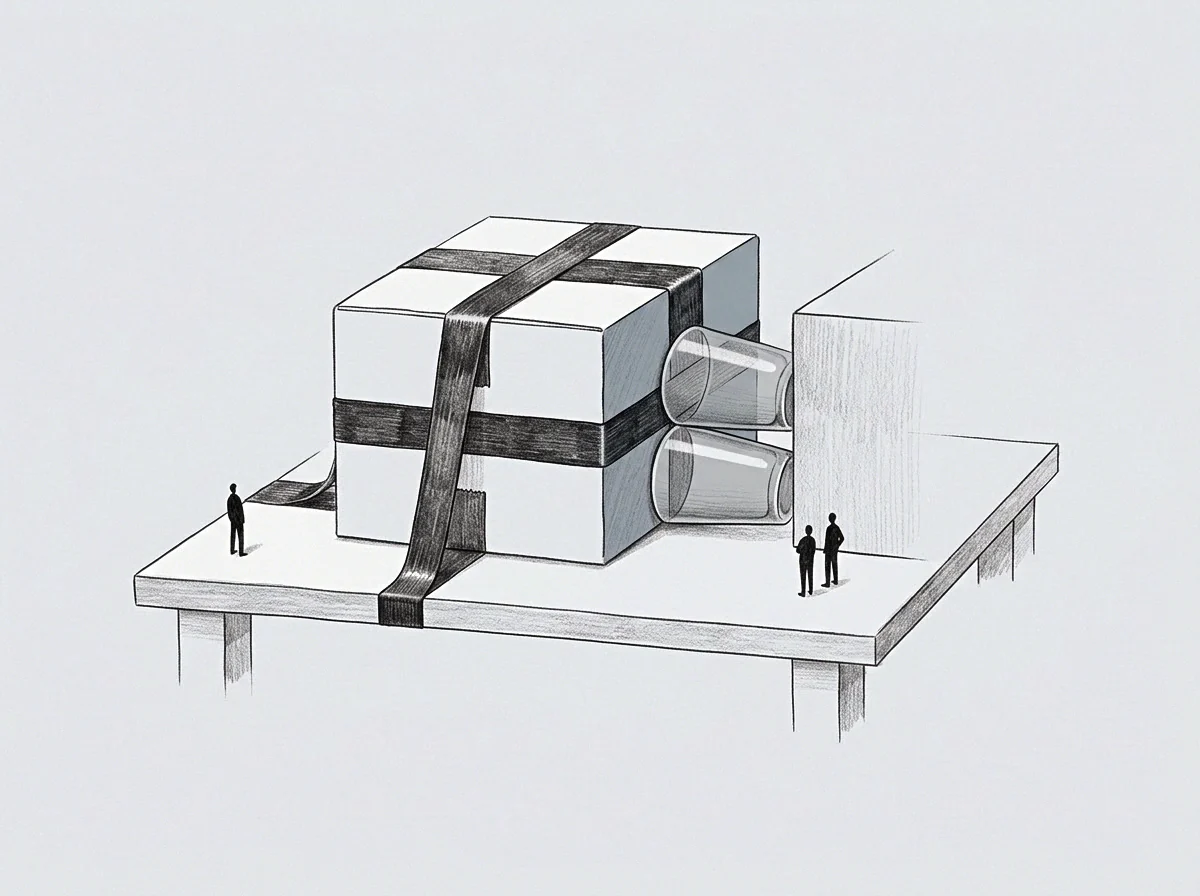
Enterprise digital records clear hearsay objections when automated processes create entries contemporaneously within regular business operations under verified custody.
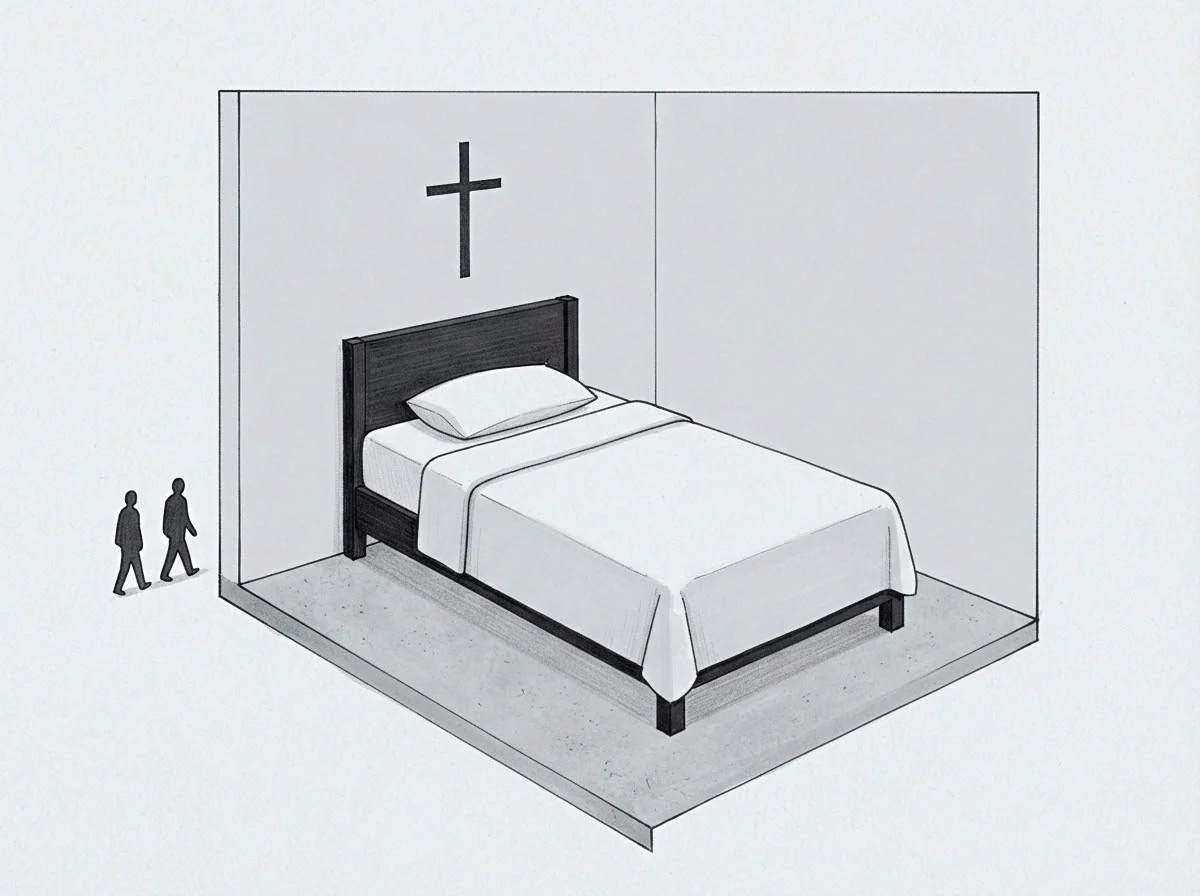
Cross-system metadata analysis exposes reconstructive narrative drift by matching board record timestamps against immutable server logs and signature telemetry.
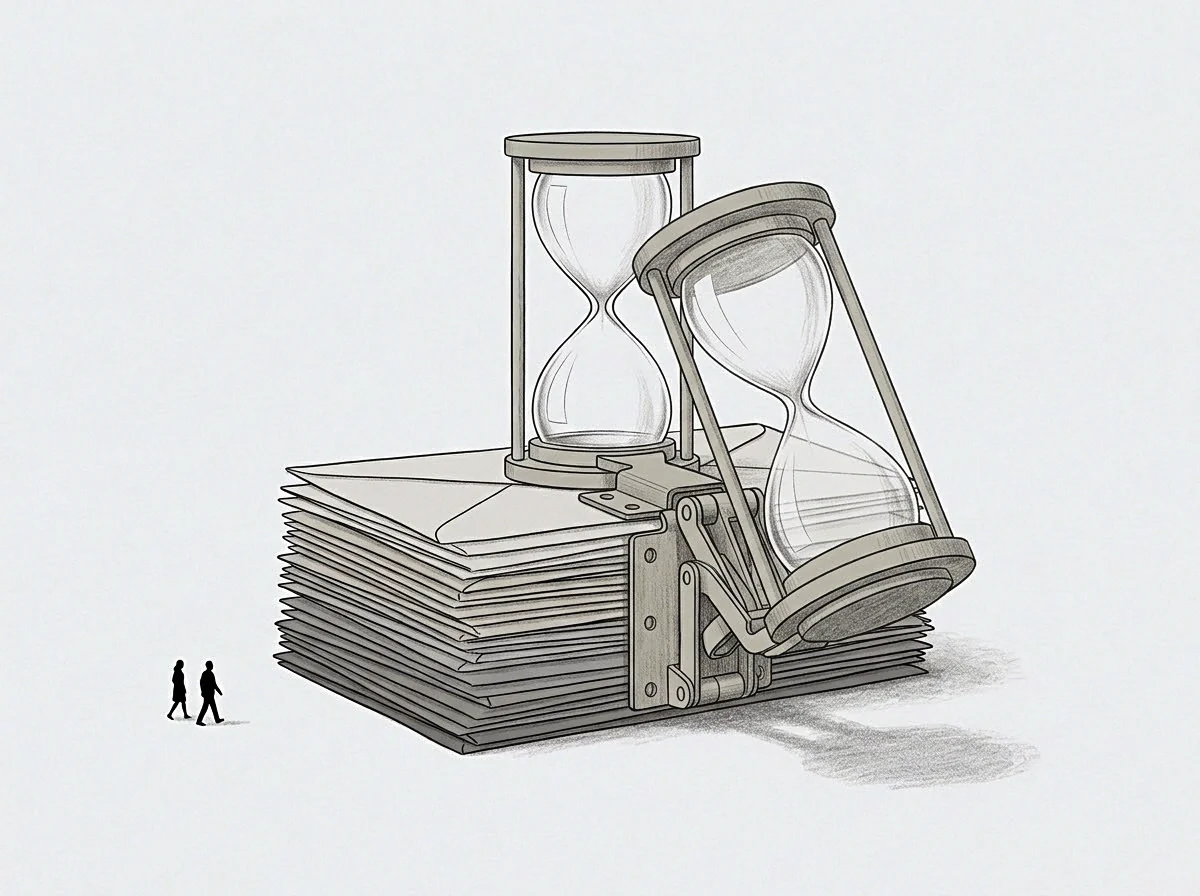
Retrospective corporate minutes fail when document creation metadata and independent cloud system timestamps disprove the physical possibility of execution on the asserted date.

Statutory anti-waiver rules nullify contractual integration clauses by rendering void any private agreement that purports to waive mandatory disclosures.

The parol evidence rule and merger clauses extinguish pre-contractual written notes, restricting enforceable terms to the four corners of the final contract.
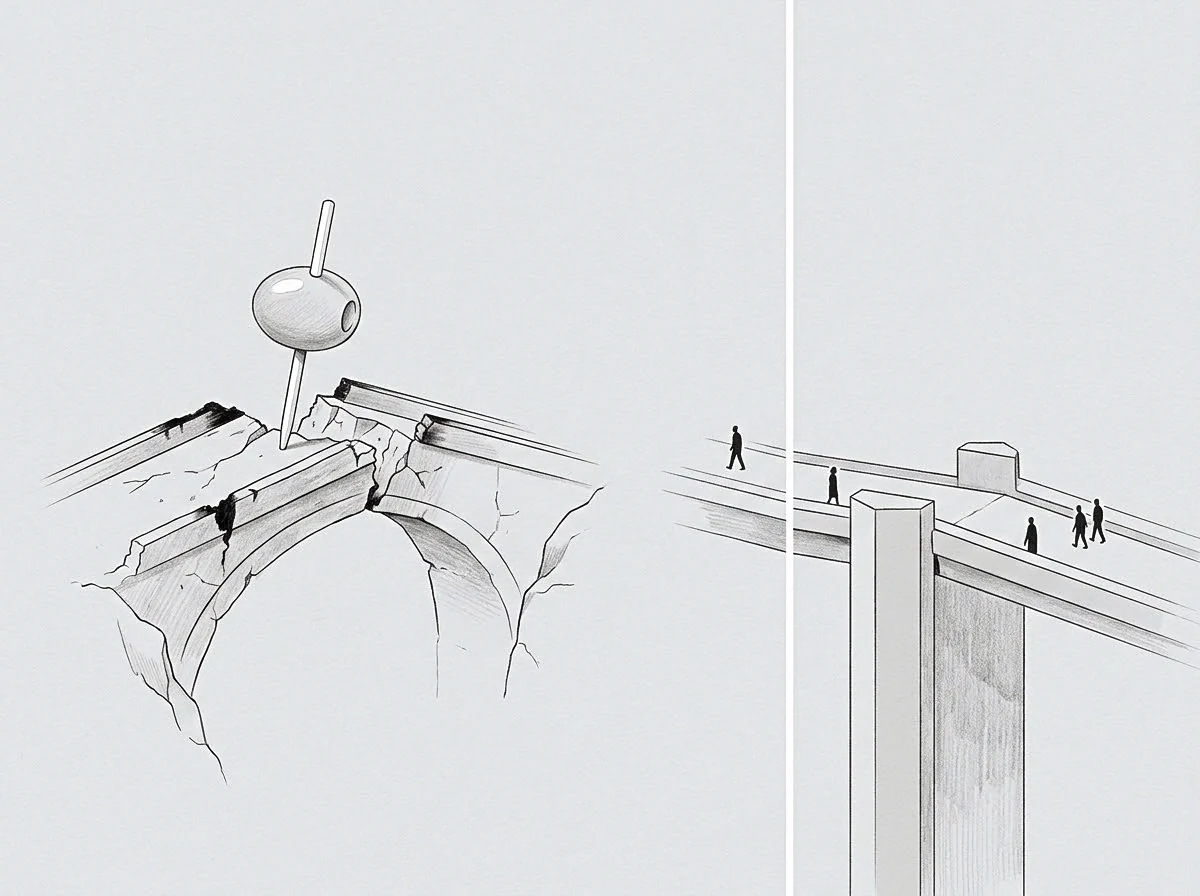
Statutory corporate ownership transfers solely through formal director authorization and stock ledger entry rather than direct database state mutations.
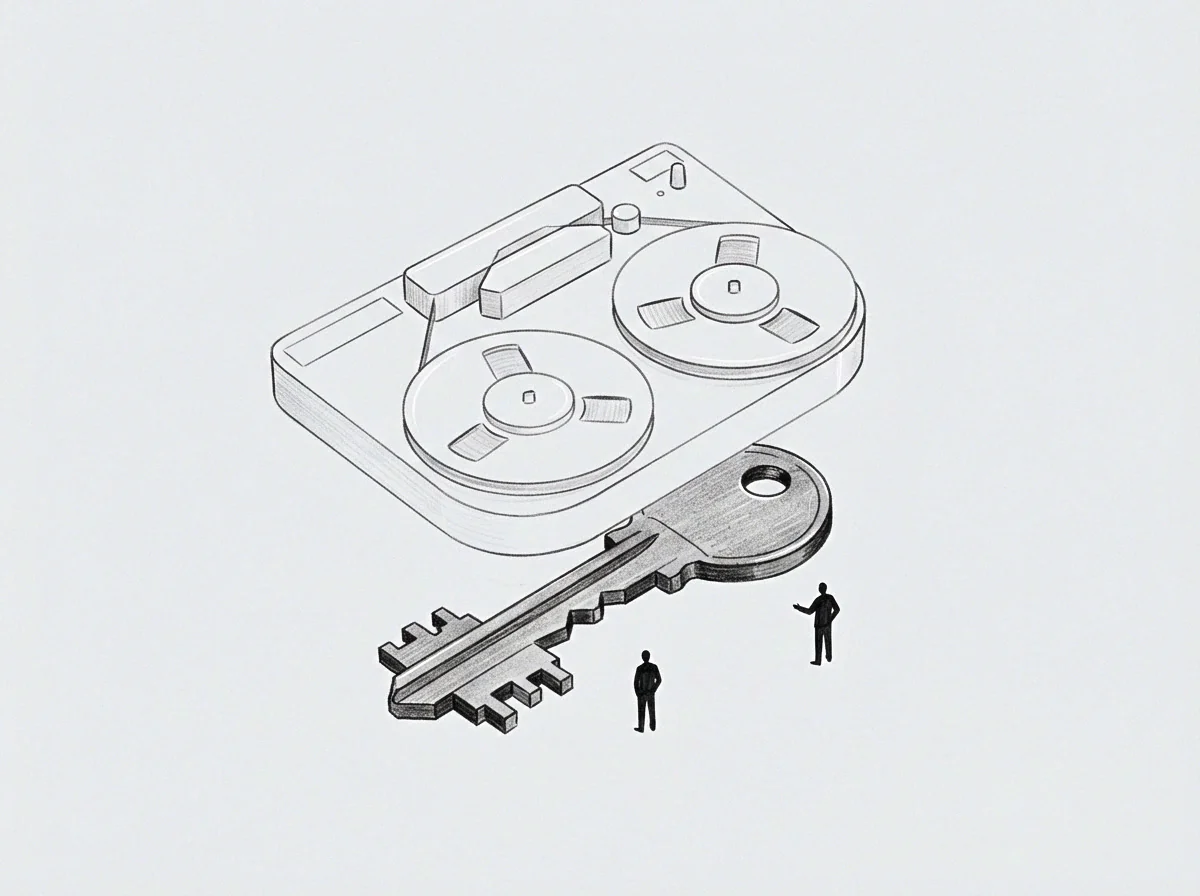
Machine audit logs bypass non-reliance clauses when authenticated as non-hearsay physical records establishing intentional concealment of baseline operational facts.
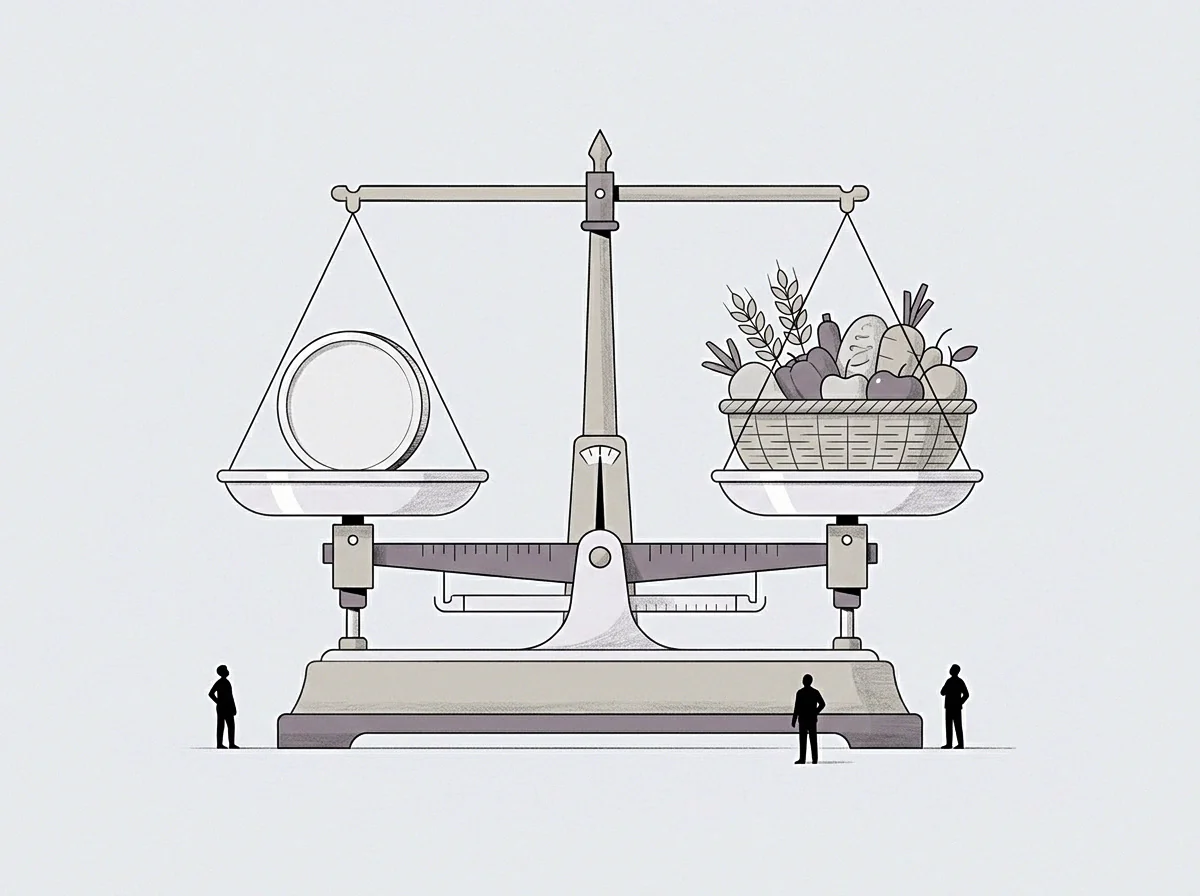
Unexecuted shareholder modifications gain evidentiary weight when corporate records, tax filings, and economic conduct prove subsequent mutual performance under draft terms.

Enforcing unexecuted restructuring agreements in exit liquidation demands unambiguous written evidence of mutual assent and conduct tied solely to the draft terms.

Corporate equity modifications require strict statutory board authorization, verified consideration, and stock ledger recording to avoid void ab initio status.

Systemic entropy and causal drift emerge when hierarchical reporting strips raw distributed telemetry of concurrent states, replacing deterministic graphs with linear narratives.

Asynchronous telemetry stream aggregations obscure causal order, requiring logical counters, topology mappings, and buffered watermarks to reconstruct events.
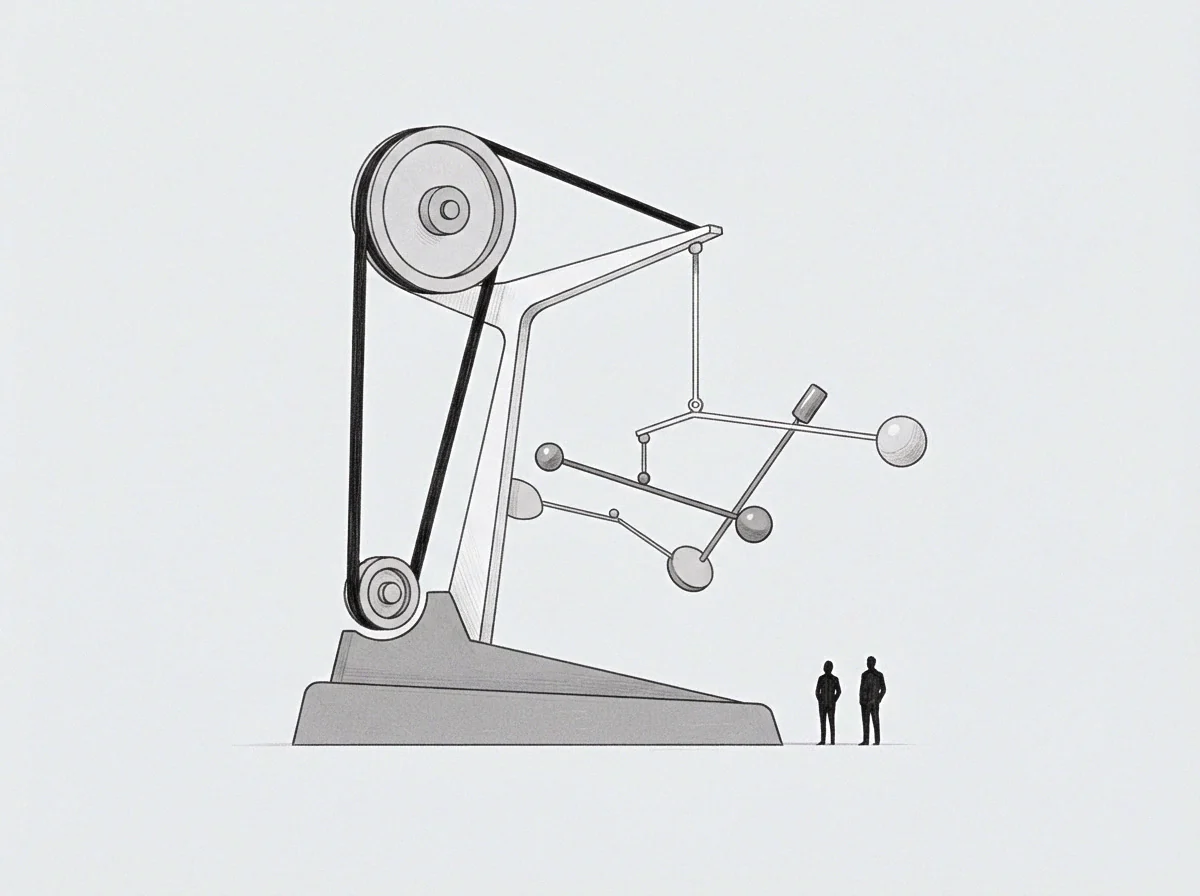
Reconciling divergent system logs and human incident accounts requires normalizing telemetry clock skew while isolating human recall from post-hoc alignment bias.
The terms are written where they belong. Each field holds three desks, and every entry a desk writes raises the terms it uses, each term given a meaning, a mechanism and the places it appears. The record on these pages stays first person and hand made; the fields grow the nomenclature.