

Resolving Divergent Founder Recollections Through Timestamped Documentation Systems
Timestamped documentation systems resolve founder recollection disputes by anchoring initial commitments to unalterable cryptographic logs.
Timestamped documentation systems resolve founder recollection disputes by anchoring initial commitments to unalterable cryptographic logs.

Contemporaneous logging anchors informal partnership terms to immutable timestamps, preventing reconstructive memory from revising unwritten equity claims.

Machine metadata provides immutable temporal anchors that dismantle reconstructive memory distortions in commercial and ownership disputes.

Contemporaneous unadjustable notes prevent reconstructive memory drift and establish an immutable factual timeline during active cofounder disputes.

Unacknowledged unilateral records prove the author's contemporaneous subjective expectation but cannot establish mutual assent in informal equity reallocation litigation.

Pre-incorporation memoranda are admissible in corporate equity disputes as extrinsic evidence when proving promoter liability, ambiguous charter terms, or promissory estoppel exceptions to integration clauses.
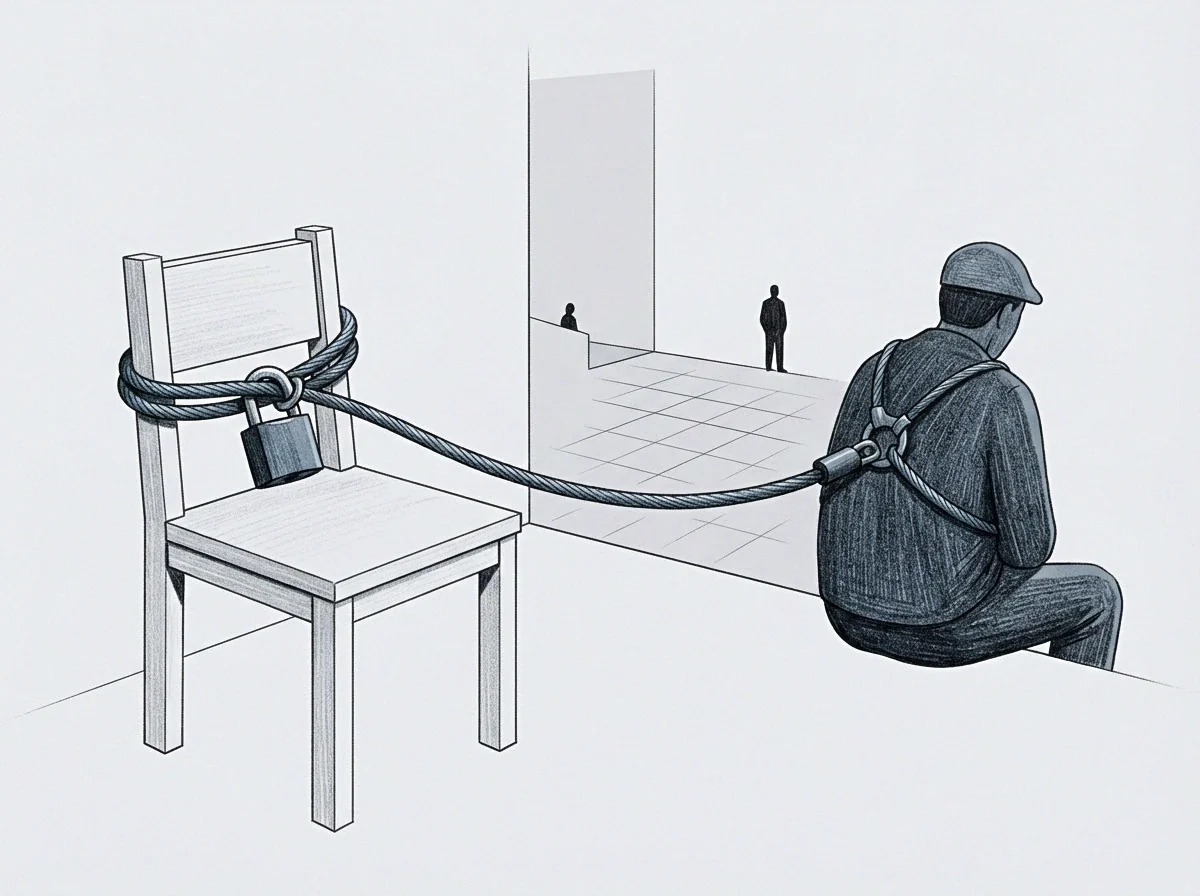
An unfounded claim distributes all operational risk to the executing party while a written instrument anchors legal ownership through verifiable terms.

Early founder conversations create legally binding terms only when written assent, definite material terms, immediate consideration, and objective mutual intent converge.

Somatic threat detection provides immediate neuroceptive risk indicators, whereas legally binding written commitments establish immutable objective proof.

Tribunals reconcile conflicting forensic metadata and oral testimony by classifying parol evidence rules as substantive law within choice-of-law frameworks.

Unilateral on-chain timestamped notes prove entry date but fail to override executed legal contracts containing clear integration clauses.

Reconstructing a written baseline converts divergent oral memories into a binding document by auditing historical financial records and written artifacts.

Contemporaneous artifacts establish operational awareness but fail to prove corporate authority unless backed by explicit statutory delegation or board consent.
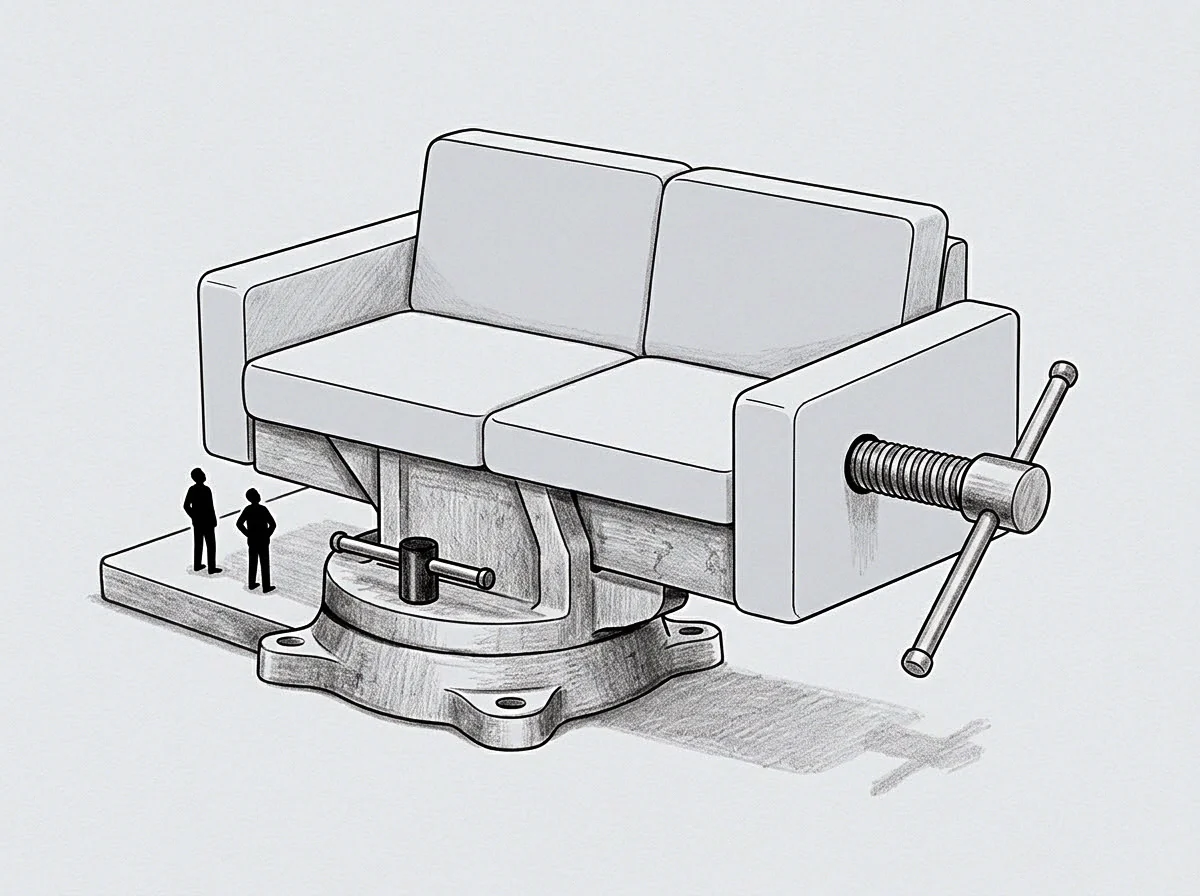
Unilateral documentation fails to establish binding agreements when counterparty consent is missing, shifting the burden of proof to corroborating records.
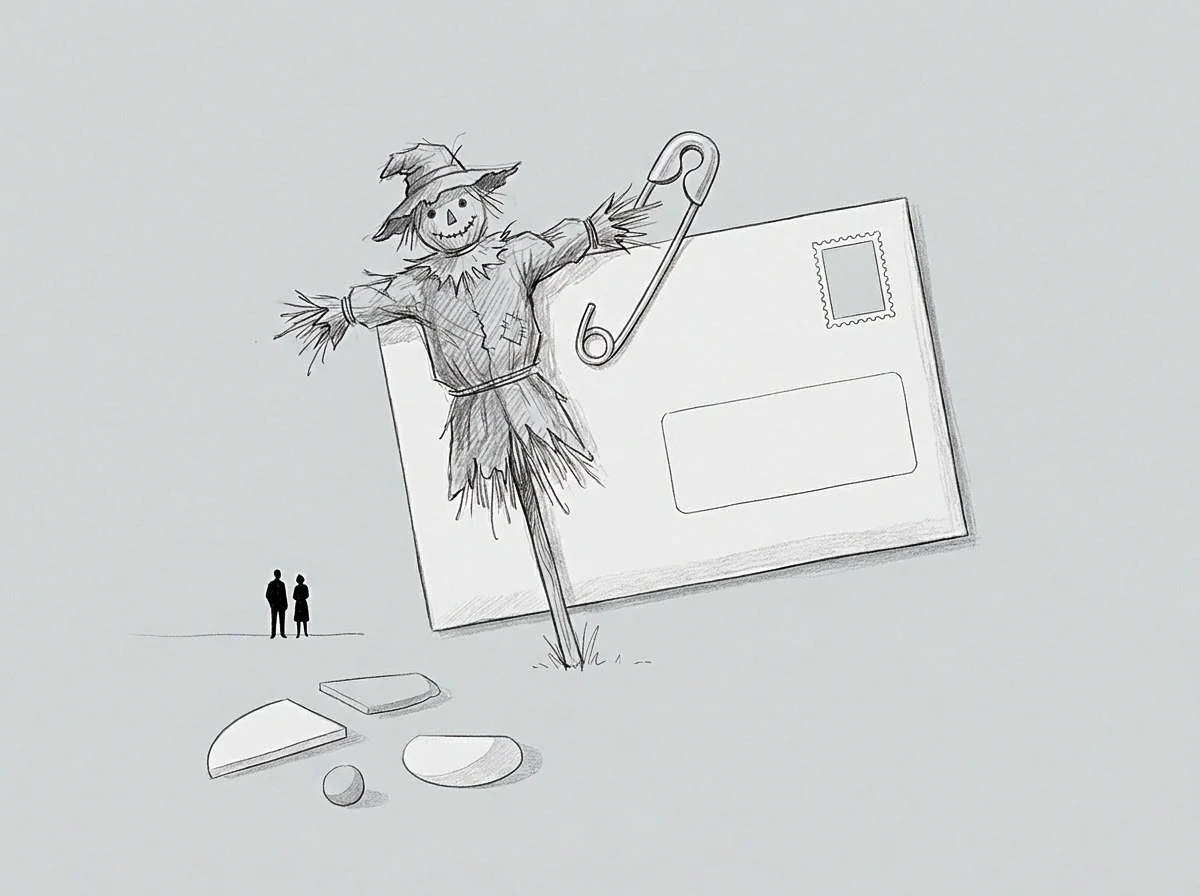
Electronic message logs establish binding early equity agreements by recording authenticated mutual assent, quantifiable terms, and uncompensated reliance in persistent digital records.
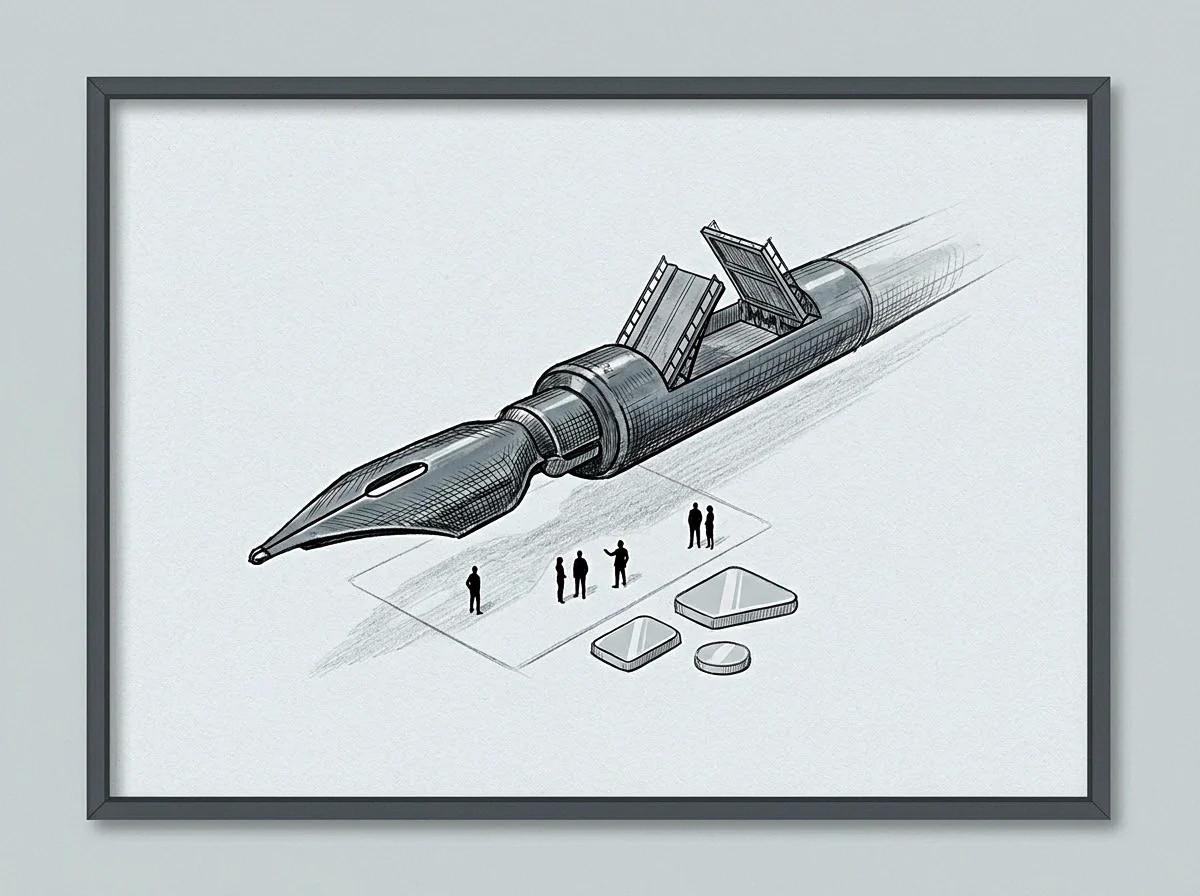
Contemporaneous personal notes overcome hearsay exclusions to establish board state of mind and fill silent corporate minutes when authenticated by verified metadata.

Digital messages lack definite legal terms and integration protections, leaving informal equity claims ungrounded against formal corporate documentation.

Stated contract terms lose evidentiary priority when sustained operational performance demonstrates mutual assent to unwritten variances without formal reservation.

Digital chat logs serve as admissible evidence in board disputes to expose contemporaneous director knowledge, establish fiduciary breach, and contradict formal minutes.

Delaware tribunals enforce objective contract terms, evaluating contemporaneous negotiation records over retrospective testimony when interpreting ambiguous text.

Informal verbal equity commitments place the entire evidentiary burden on the claimant, requiring contemporaneous written corroboration to establish enforceable title.

Contemporaneous informal communication logs provide objective evidence of mutual assent and intent that overrides reconstructed recollections in equity disputes.

Ephemeral startup messaging logs classification depends on platform architecture, retention settings, and legal preservation triggers that convert casual chats into discoverable records.

Local message preservation extracts encrypted chat stores to write-once storage media, hashing raw database files to prove unaltered historical communications.

A structured audit normalizes fragmented digital traces chronologically to replace divergent contract recollections with verifiable contemporary execution records.

Contemporaneous uncirculated notes establish a director's subjective belief of solvency when formal board minutes fail to capture detailed commercial reasoning.

Informal electronic messages create conflicting ownership baselines that stay unexamined until external capital forces an expensive historical audit.

Contemporaneous internal memos provide critical evidentiary weight by anchoring events to verified timestamps before retrospective reconstruction alters recall.

Contemporaneous daily logging establishes unalterable evidentiary proof that translates uncompensated labor into defensible venture capitalization equity.

Cryptographic integrity verification uses mathematical hash functions and external temporal anchors to prove electronic dispute records remained unaltered from creation.
The terms are written where they belong. Each field holds three desks, and every entry a desk writes raises the terms it uses, each term given a meaning, a mechanism and the places it appears. The record on these pages stays first person and hand made; the fields grow the nomenclature.