

The Body Points And The Record Proves
Physical intuition identifies operational tension early, while contemporaneous dated records provide the objective evidence required to resolve disputes.
Physical intuition identifies operational tension early, while contemporaneous dated records provide the objective evidence required to resolve disputes.

Contemporaneous records secure commercial agreements by fixing terms to an unalterable timestamp before human memory drifts into convenient rationalization.

Timestamped documentation systems resolve founder recollection disputes by anchoring initial commitments to unalterable cryptographic logs.

Machine metadata provides immutable temporal anchors that dismantle reconstructive memory distortions in commercial and ownership disputes.
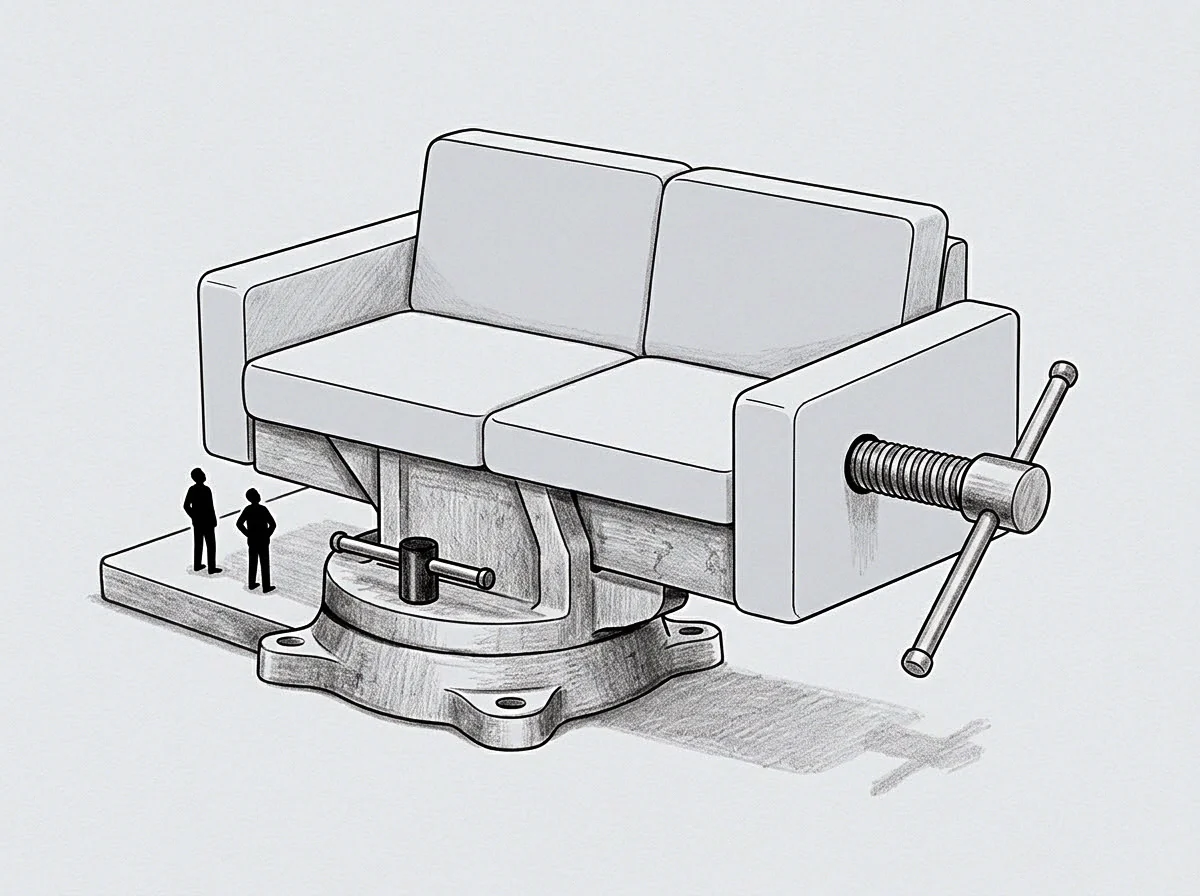
Informal messaging logs clear admissibility thresholds when forensic extraction establishes authenticity, metadata proves integrity, and contents demonstrate mutual assent.

Informal founder equity claims rely on contemporaneous digital records and external party filings to overcome reconstructive memory drift and unwritten promises.

Cryptographic timestamping binds file hashes to atomic clocks or distributed blocks, establishing verifiable temporal existence for contract dispute resolution.

Contemporaneous daily logs stored outside corporate control transform unpriced founder labor into verifiable evidentiary assets during capital disputes.

Cryptographic baseline logs freeze early team agreements into immutable timestamped digests, preventing memory drift and establishing unalterable sequence proof.

Unanswered communications proposing equity changes lack evidentiary value to modify ownership without affirmative written assent and formal consideration.

Somatic threat detection provides immediate neuroceptive risk indicators, whereas legally binding written commitments establish immutable objective proof.

Unjust enrichment remedies for failed informal equity modifications award quantum meruit labor value rather than the promised equity percentage.

Preserving digital chat records for equity splits relies on cryptographically hashed platform exports that verify contemporaneous commercial terms.

Director notes detailing legal advice belong to the corporate privilege holder and risk broad subject-matter waiver if commingled or shared with outside parties.

Contemporaneous records defeat retrospective equity claims by anchoring stated terms and dates in unalterable digital storage before memory drift occurs.

Cryptographic timestamping binds deterministic document hashes to independent time sources, proving file integrity and existence without relying on local clocks.

Enterprise governance reconciliation resolves conflicting incident recollections by ordering machine telemetry above retrospective human testimony within an unadjustable audit protocol.

A non reliance clause creates contractual estoppel that legally bars extrinsic negotiation evidence by formally disclaiming reliance on outside statements.

Preverbal perceptual indicators become enforceable guarantees when somatic observations are translated into dated logs and objective contractual triggers.

Unanchored commercial communications experience measurable probative decay over multi year partner disputes as reconstructive memory alters subjective recall.

Unjust enrichment awards the reasonable cash value of uncompensated labor when corporate reorganizations wipe out informal sweat equity commitments.

Uncompensated documentation overhead accumulates when distributed operations must generate contemporaneous audit-ready records without explicit client billing lines.

Spoken commercial promises drift through reconstructive memory while cryptographic records remain mathematically fixed, requiring immediate hashed documentation.

Dynamic blockchain state signatures in integration clauses bind legal intent to verified on-chain execution states while preserving parol evidence exclusions.

Secret audio recordings face wiretap inadmissibility and parol evidence rules, making prior oral promises unenforceable against integrated written contracts.

Stated contract terms lose evidentiary priority when sustained operational performance demonstrates mutual assent to unwritten variances without formal reservation.

Delaware enforces objective intent through contemporaneous exchanged drafting records while excluding uncommunicated subjective beliefs.
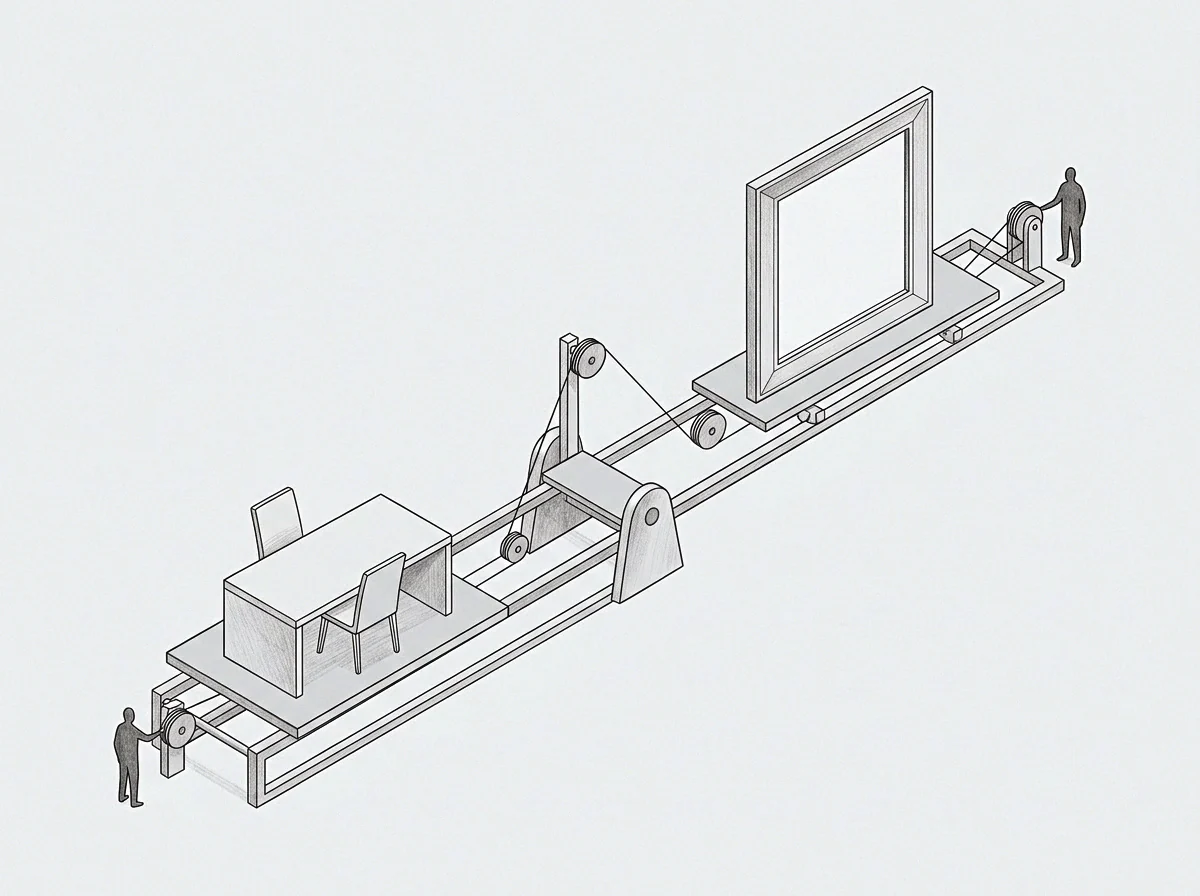
Preserving unscrubbed native negotiation files proves contract chronology but waives legal privilege by disclosing internal counsel notes embedded in file data.

A pre-formation term sheet serves as extrinsic evidence to clarify ambiguous operating agreement governance clauses when textual provisions admit multiple meanings.

Delaware courts enforce unintegrated preformation memoranda in LLC economic disputes when contemporaneous writings prove mutual assent to definite split terms.
The terms are written where they belong. Each field holds three desks, and every entry a desk writes raises the terms it uses, each term given a meaning, a mechanism and the places it appears. The record on these pages stays first person and hand made; the fields grow the nomenclature.